 Proudly Service-Disabled Veteran-Owned |
BBB Accredited |
Faith-Driven Values
Proudly Service-Disabled Veteran-Owned |
BBB Accredited |
Faith-Driven Values



Bringing a medical bed into your home can feel like a big step, but it doesn’t have to feel intimidating. Today, we will explain everything you need to know about using a home medical bed. The goal here is clarity, not jargon. Think of this as a friendly walkthrough rather than a technical manual—learn how to make the most out of your medical bed right now.
What Is a Home Medical Bed?
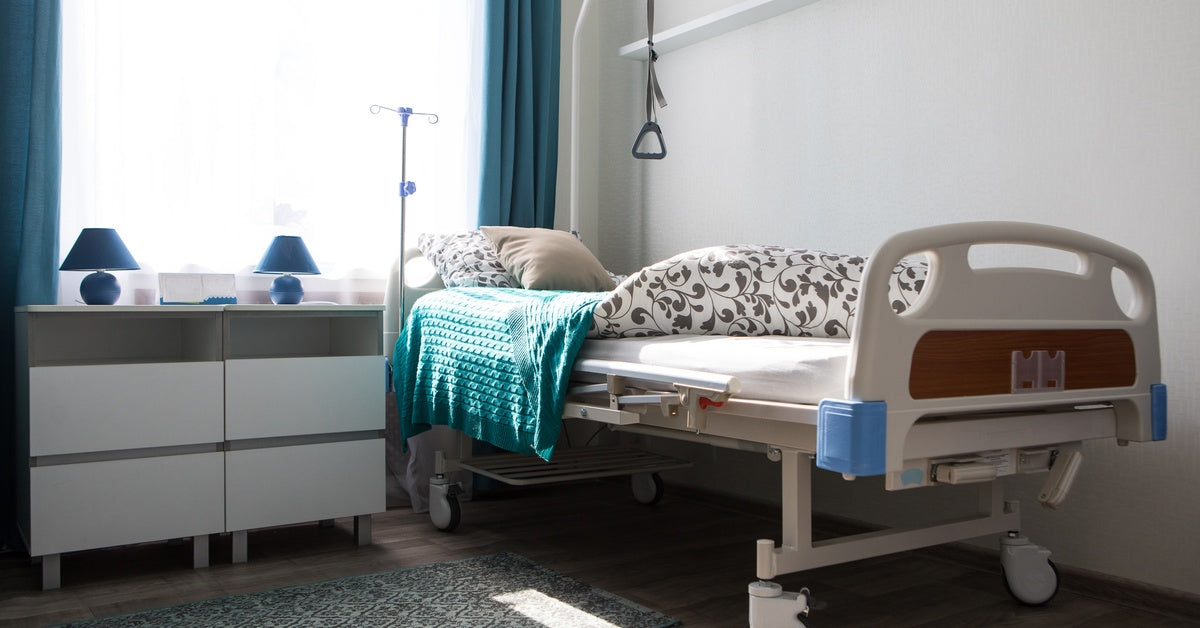
A home medical bed is a specialized bed designed for people who need extra physical support during rest and recovery. These beds allow position changes that a standard frame can’t provide. That flexibility supports comfort during sleep, rest, and daily activities like reading or meals.
Many models adjust at the head, foot, or both. Some also raise or lower the entire frame, which helps caregivers with transfers and daily care tasks. The overall design focuses on stability and ease rather than style, though newer models look far less clinical than they once did.
Who Benefits From a Home Medical Bed?
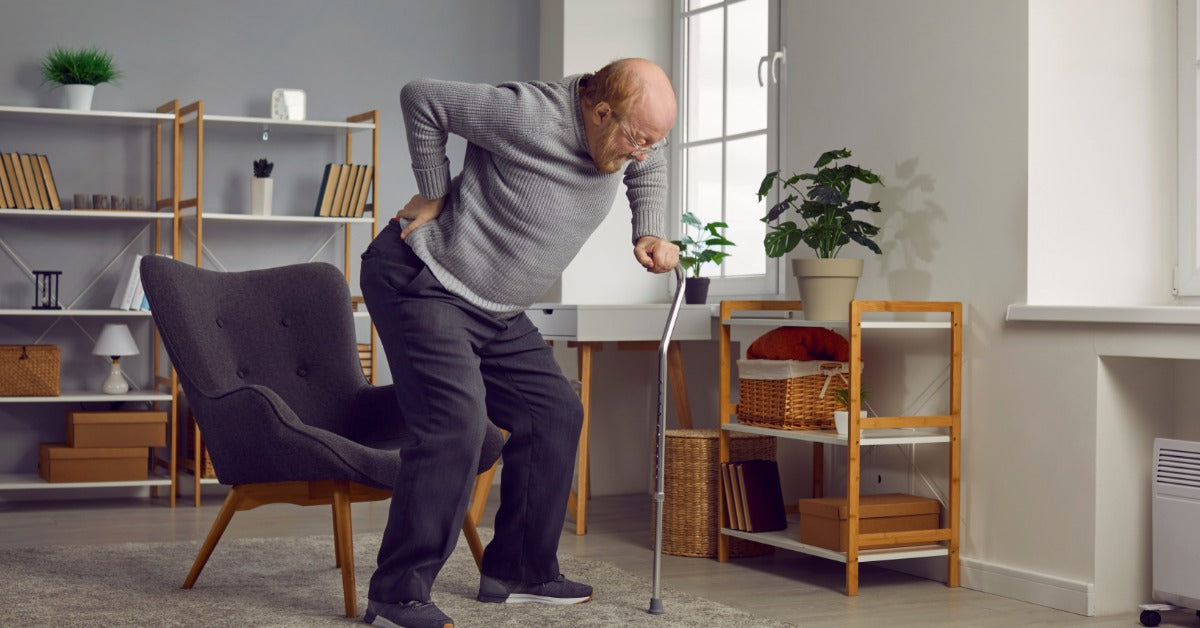
Home medical beds suit a wide range of needs. People recovering from surgery may rely on one for a short period. Others with chronic conditions or mobility limits may use one long-term. Older adults with balance concerns also benefit from the added control these beds offer. Each situation looks different, yet the goal stays the same: better comfort and safer movement at home.
Common Types of Home Medical Beds
Manual beds use hand cranks to adjust positions. They cost less and suit situations with limited daily adjustments. These beds work well in short-term care setups or homes with minimal assistance needs. The downside lies in physical effort. Adjustments require strength and time, which may not suit every household.
Semi-electric beds allow electronic control of head and foot positions, with a manual crank for height. This option strikes a balance between cost and convenience. Care routines feel smoother without the price tag of a fully electric model. This style suits many home care setups, especially where caregivers assist daily.
Fully electric beds offer complete control at the touch of a button. Height, head, and foot positions adjust with ease. This level of control reduces strain on caregivers and supports frequent position changes. These beds work well for long-term use or situations with complex care needs. The extra cost reflects the additional functionality and comfort.

Features That Matter Day to Day
Adjustable positioning stands out as the feature people notice first. Raising the head can help with breathing, digestion, or reading in bed. Elevating the legs may ease swelling or pressure after long rest periods.
Side rails add safety and stability. Some people rely on them for support during position changes. Others prefer removable or adjustable rails for flexibility.
Mattress compatibility also matters, especially for pressure relief and skin health. Lockable wheels, sturdy frames, and easy-to-use controls round out the experience. These details shape how the bed fits into daily life.
Mattress Choices and Comfort
The mattress plays a major role in comfort and health. Standard foam mattresses work for some users, though others need more advanced options. Pressure-relief mattresses help reduce sore spots during extended bed rest.
Alternating pressure or low-air-loss mattresses suit people with higher skin risk. These designs shift pressure points automatically. The right mattress pairs with the bed frame to create a supportive surface rather than a stiff platform.
Setting Up the Bed at Home
The bed should allow space on both sides for care access. Nearby power outlets help avoid extension cords across walkways. Clear paths around the bed reduce trip hazards. Good lighting supports night-time movement and care tasks.
These small setup choices can shape safety and ease from day one. Take time to learn the controls after placing the medical bed in its ideal location. Practice adjustments before daily use begins.
Daily Use Tips for Better Comfort
Routine position changes help maintain comfort throughout the day. Even small adjustments can relieve pressure and stiffness. Many people settle into a favorite setup for sleep and another for daytime rest.
Pillows still play a role. Extra support under arms or knees can enhance comfort. Keep controls within easy reach to encourage independence. Consistency builds confidence. With time, these adjustments feel natural rather than technical.
Safety Considerations at Home
Safety always comes first with medical equipment. Side rails should match the user’s needs, not just default settings. Some people feel secure with full rails, while others prefer partial support.
Cords and controls should stay out of walk paths. Lock wheels once the bed sits in place. Regular checks for loose parts or worn components help prevent issues. Education supports safety. Everyone involved in care should understand basic bed operation.
Caregiver Support and Ease
Everything you need to know about using a home medical bed starts with informed choices, and the right support can help you take that next step with confidence. Home medical beds don’t just support the person in bed. They also reduce strain for caregivers.
Adjustable height allows safer transfers and personal care tasks. Electric controls save time and energy. That ease adds up across days and weeks. Less physical strain can also reduce injury risk for caregivers.
Short-Term vs Long-Term Use
Some people need a medical bed for weeks. Others rely on one for years. Short-term use focuses on recovery and transition back to a standard bed. Long-term use shifts focus toward durability, comfort, and adaptability. Accessories like overbed tables or trapeze bars may add value over time.
Planning with duration in mind helps guide your choice to the best model available. Flexibility matters. Needs can change, and the bed should adapt with them.

Insurance and Rental Options
Many people explore rental before purchase. Rentals suit temporary needs and reduce upfront cost. They also allow trial use before long-term commitment.
Insurance coverage varies by provider and medical need. Documentation from healthcare professionals will play a role. A reputable supplier can help navigate these steps and explain options clearly. Understanding financial paths early reduces stress later.
Emotional Adjustment and Home Life
Comfort extends beyond physical needs. Emotional ease matters, too. A medical bed can change how a room feels. That shift takes adjustment for everyone involved. Adding familiar bedding or décor can soften the clinical look.
Maintaining routines helps preserve normalcy. Mealtimes, visits, and hobbies still belong in daily life. The bed serves as support, not a limitation.
Final Thoughts on Comfort and Confidence
A home medical bed can transform daily comfort and care when chosen thoughtfully. With the right features, setup, and support, it blends into home life more easily than many expect. The goal stays fully focused on dignity, comfort, and ease. Start browsing home hospital beds now to find a reliable, comfortable solution.




Share:
How To Fix Common Electric Wheelchair Problems
8 Tips for Choosing the Best Lift Chair for Your Needs