


If dressing has become the hardest part of the morning — for you, or for someone you help care for — you're not alone, and the right clothing can genuinely change the day. Adaptive clothing is everyday apparel redesigned so that buttons, zippers, and tight openings stop being obstacles. This adaptive clothing buying guide explains the main styles in plain language so you can choose with confidence.
Quick Answer: Choose magnetic closure clothing when fingers struggle with buttons; open-back styles when dressing happens seated or with a caregiver's help; side-zip pants and zipOns when pants need to open wide for access or comfort; pull-on styles for the simplest independent dressing; and adaptive footwear and accessories to make shoes, socks, and staying warm easier. Many people do best with a mix.
Reviewed by the Independent Living Superstore team, a veteran-owned homecare equipment retailer.
Who Adaptive Clothing Is Designed For
- Seniors who want to keep dressing themselves with less struggle and frustration
- People with arthritis, tremor, or limited grip who find buttons and hooks difficult
- Wheelchair users who dress seated and need clothing cut for sitting comfort
- Caregivers and adult children who assist a loved one with dressing each day
- Anyone recovering from surgery or managing a condition that makes conventional clothing a daily battle
Types of Adaptive Clothing
Every style solves a different dressing challenge. Here's how the main types of adaptive clothing for seniors and adults compare at a glance.
| Style | Best For | Closure / Design | Key Feature |
| Magnetic Closure | Limited grip, arthritis, tremor | Magnets hidden behind traditional-looking buttons | Fastens with a touch — no fine finger work |
| Open-Back | Seated or caregiver-assisted dressing | Garment opens fully at the back | Dresses from the front without lifting or standing |
| Side-Zip & zipOns | Access needs and dressing while seated or lying down | Zippers along the side or full leg | Pants open wide instead of pulling up |
| Pull-On | Simple independent dressing | Elastic waist, soft stretch fabrics | No fasteners at all |
| Adaptive Footwear & Accessories | Easier shoes, safer steps, warmth on the go | Single-strap shoes, non-skid socks, wheelchair capes | Adjustable, easy-entry designs |

Magnetic Closure Clothing
Magnetic closure clothing looks exactly like a regular button-front shirt or jacket — the difference is hidden inside. Discreet magnets sit behind the buttons and pull the garment closed with a touch, so stiff fingers, arthritis, or tremor no longer stand between someone and getting dressed. For many people, this one change restores independent dressing entirely.
It's an especially good choice for men who have worn button-front shirts all their lives and don't want to give up that look. The shirt still appears fully buttoned; it simply fastens itself as the two sides meet.
Recommended magnetic closure pieces: Magnetic Buttons Men's Short Sleeve Shirt, Men's Magnetic Button Front Bomber Jacket, and the Men's Magnetic Closure Sherpa Lined Shirt Jacket for cooler weather. Browse the full Magnetic Closure Clothing collection for more.
Open-Back Clothing
Open-back designs solve a challenge every caregiver knows well: dressing someone who is seated, has limited mobility, or finds raising their arms painful. The garment opens fully at the back, so it can be draped and fastened from the front — no pulling clothing over the head, no standing required, far less strain on both people.
These styles are a mainstay of adaptive clothing for elderly loved ones who receive dressing assistance at home or in a care setting, and they're designed to look completely conventional from the front.
Recommended open-back pieces: Women's Open Back Track Suit Pant, Women's Open Back Stretch Knit Pant, and the Open Back Knit Nightgown with Lace Trim for comfortable, dignified nights.
Side-Zip Pants & zipOns
When pulling pants up over the hips is the hard part — or when clothing needs to open for medical access — side-zip designs are the answer. Zippers run along the side seam or the full leg, so pants open wide and close again without a struggle. Dressing can happen seated, or even lying down, with far less lifting and repositioning.
The befree zipOns take this idea to its full conclusion: lightweight pants that zip on around the body rather than pulling up, a favorite among wheelchair users and anyone who dresses with assistance.
Recommended side-zip pieces: Men's Classic Easy Touch Side Zip Pant with Catheter Access, befree zipOns Adult Lightweight Adaptive Pants, and the befree zipOns Adult Lightweight Adaptive Shorts for warmer months.
Pull-On Clothing

Sometimes the best fastener is no fastener at all. Pull-on styles pair soft, stretchy fabrics with elastic waistbands so dressing is one simple motion — nothing to grip, align, or fasten. For people who can dress independently but find buttons and zippers slow and frustrating, pull-on pieces keep mornings easy.
Soft stretch fabrics also matter for comfort during long days of sitting, which makes these a quiet favorite in adaptive clothing for women who value both ease and a familiar, everyday look. Undergarments deserve the same thinking: front-closing and wire-free designs remove the hardest reach-behind step of dressing.
Recommended pull-on and easy-fastening pieces: Women's Soft Stretch Pull-On Pant, Women's Front Hook Full Coverage Bra (Adjustable Straps), and the Women's Adaptive Wire-Free Breast Nest Bra.
Adaptive Footwear & Accessories
Dressing doesn't end at clothing. Shoes with a single adjustable strap replace laces entirely and open wide for easy entry — a real help for swollen feet, limited bending, or one-handed fastening. And around the house, non-skid socks add warmth with grip underfoot.
Accessories can also solve problems ordinary clothing can't. A wheelchair cape, for example, wraps warmth around the shoulders without sleeves to wrestle or fabric to bunch behind the back — outerwear designed for how someone actually sits.
Recommended footwear and accessories: Men's Single Strap Walking Shoes – Adjustable Fit (Regular to Extra Wide), Men's / Women's Non Skid Hospital Socks – 6 Pack Slipper Socks, and the Wheelchair Cape with Hood for Women & Men.
How to Choose Adaptive Clothing
Start with the specific dressing challenge, not the catalog. These three questions point most people to the right style quickly:
- Is grip the challenge? If buttons, hooks, and small zippers are the daily frustration, magnetic closure clothing and pull-on styles remove the fine motor work while keeping a classic look.
- Does dressing happen seated? Whether independently from a chair or wheelchair, side-zip pants and zipOns open instead of pulling up, and open-back tops go on without raising the arms overhead.
- Does a caregiver assist? Open-back garments and full-length zip designs dramatically reduce the lifting, rolling, and repositioning that wear on both the caregiver and their loved one — dressing becomes gentler for everyone.
Comfort counts as much as function: look for soft, stretchy fabrics for long wear, and think about where the day happens — home, outings, travel, or a care setting. Explore the full Adaptive Clothing Collection, or shop by Men's Adaptive Clothing, Women's Adaptive Clothing, and Pediatric Adaptive Clothing & Sensory Apparel.
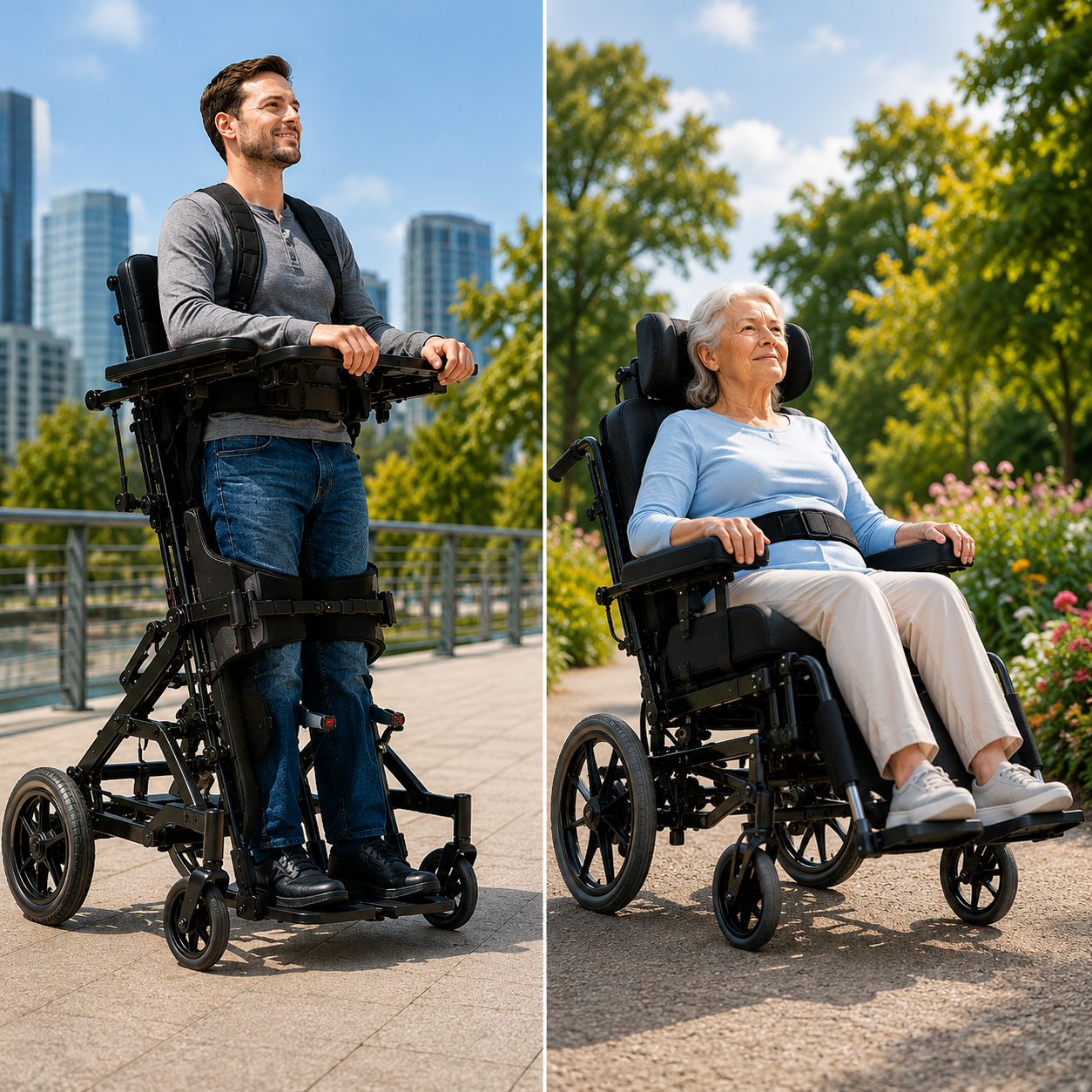
Dressing for Wheelchair Users

Clothes for wheelchair users work best when they're designed for sitting, not standing. Pants like the befree zipOns open around the body instead of pulling up, open-back styles dress comfortably from a seated position, and a purpose-made cape keeps shoulders warm outdoors without sleeves or bulk behind the back. For colder months, the Unisex Luxurious Fur-Lined Winter Wheelchair Cape pairs beautifully with the everyday Wheelchair Cape with Hood.
If you're also choosing the chair itself, our Manual Wheelchair Buying Guide walks through every type — and for walking support, see the Rollator, Walker & Cane Buying Guide.
Why Buy From Independent Living Superstore
Independent Living Superstore is a veteran-owned, family-run business and a certified Service-Disabled Veteran-Owned Small Business (SDVOSB). We're BBB Accredited and focused on practical products that support comfort, dignity, and independence at home.
- HSA/FSA eligible purchases
- No sales tax outside New York
- GovX military discount for those who served
Important Information
This guide is for general informational purposes only and is not medical advice. Adaptive clothing supports ease of dressing and everyday comfort; it is not intended to diagnose, treat, cure, or prevent any medical condition.
Independent Living Superstore does not bill Medicare, Medicaid, or private insurance.
Need Help Choosing?
Our team is happy to talk through your situation and help you find the right fit. Email support@independentlivingsuperstore.com or call (844) 795-2930.


Share:
Manual Wheelchair Buying Guide – How to Choose the Right Wheelchair
Rotating Bed Buying Guide – How to Choose the Right Rotating Bed for Home