 Proudly Service-Disabled Veteran-Owned |
BBB Accredited |
Faith-Driven Values
Proudly Service-Disabled Veteran-Owned |
BBB Accredited |
Faith-Driven Values



If you’re just starting to explore mobility options for your child, it can feel like a lot to take in. From wheelchairs to gait trainers, there are more choices than most parents expect. Our beginner’s guide to pediatric mobility equipment is here to walk you through the basics, so you can work with a trusted mobility supplier for personalized support. Find out how the right equipment can support your child’s comfort, independence, and daily routine.
What Is Pediatric Mobility Equipment?
Pediatric mobility equipment includes devices that support movement, posture, and safe transportation for children with physical disabilities. These tools help kids move through their homes, classrooms, playgrounds, and communities with greater confidence. Some children need full-time mobility support, and others use equipment for specific activities or distances.
Because children grow and develop quickly, pediatric equipment looks different from adult models. Frames are smaller, seating systems allow for adjustment, and many designs include bright colors or playful touches. The goal is to support function and comfort without losing sight of childhood.
Understanding Your Child’s Unique Needs
Every child’s mobility journey looks different. A child with cerebral palsy may need posture support and trunk stability, and a child with a spinal cord injury may require a lightweight chair for self-propulsion. Others may have muscular conditions that affect endurance rather than full mobility.
A physical or occupational therapist usually plays a big role in equipment recommendations. They assess strength, balance, range of motion, and daily routines. Their input helps narrow down choices so families avoid equipment that doesn’t fit long-term goals.
Parents also know their child best. Think about daily life at home, school layouts, and transportation needs. These details shape which equipment fits your family’s routine.
Pediatric Wheelchairs
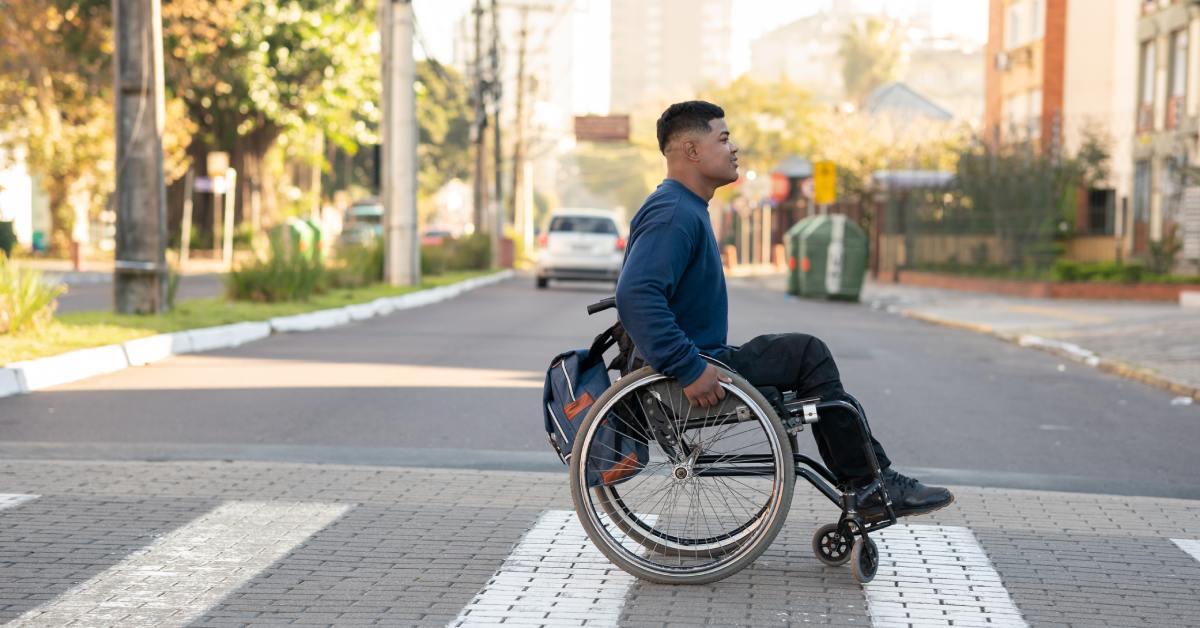
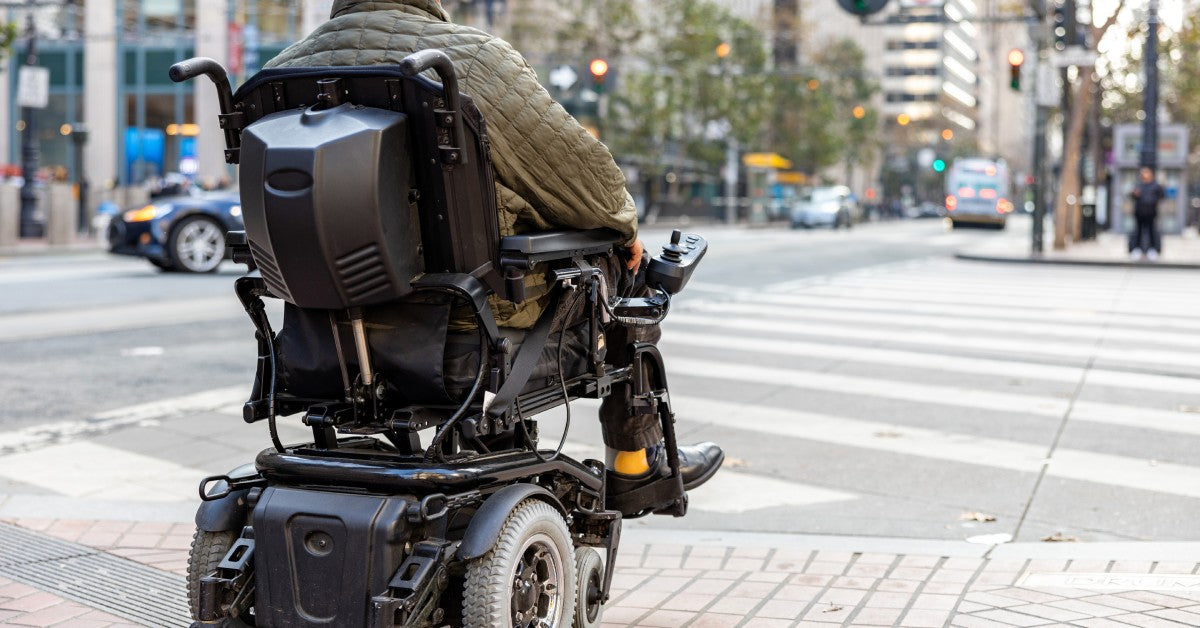
Wheelchairs are one of the most recognized types of pediatric mobility equipment. They come in manual and power models, each with its own benefits. Manual wheelchairs suit children who can self-propel or have caregiver assistance. Power wheelchairs suit children who need independent mobility with minimal physical strain.
Seating systems matter just as much as the frame. Cushions, lateral supports, and headrests help maintain posture and reduce pressure points. Many pediatric chairs include growth adjustments, which allow changes in seat depth and back height over time.
Some models focus on portability, which helps families who travel or load equipment into vehicles frequently. Others prioritize positioning support for children with complex medical needs. A therapist and supplier can explain which features match your child’s abilities.

Pediatric Mobility Scooters
Scooters work well for older children or teens who have enough upper body control to steer and operate controls. These devices support independence in larger spaces like schools, malls, or parks. They typically require good sitting balance and cognitive awareness.
Scooters tend to look less clinical than wheelchairs, which appeals to some teens. That aesthetic can boost confidence during social activities. Still, scooters do not offer the same level of postural support as customized wheelchairs, so they aren’t ideal for every child. A professional evaluation can determine if a scooter suits your child’s strength and coordination.
Gait Trainers and Walkers
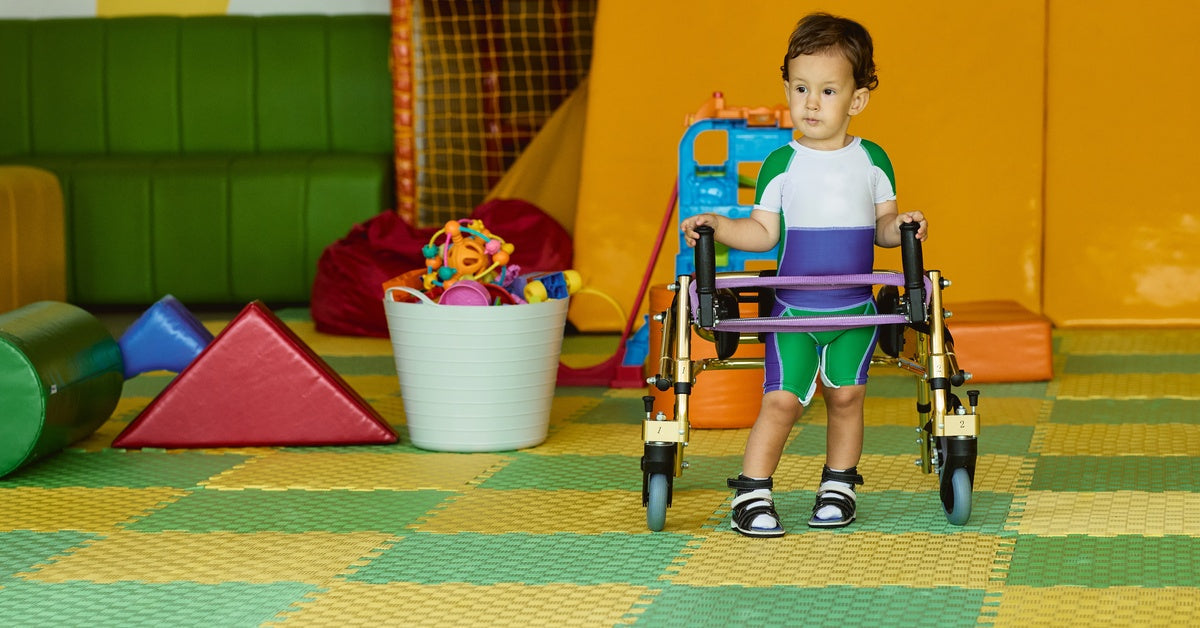
Some children benefit from partial mobility support rather than full seating. Gait trainers and pediatric walkers provide stability for children who can bear weight but need help with balance. These tools encourage upright posture and active participation in movement.
Gait trainers usually include harness systems and adjustable frames. They support children during therapy sessions and daily practice at home. Walkers come in posterior and anterior designs, which position the frame behind or in front of the child. Therapists select these devices based on gait patterns and muscle tone. Consistent use can help children build strength and endurance within their abilities.
Standers and Positioning Equipment
Standing frames, also called standers, help children who cannot stand independently. These devices support bone health, circulation, and digestion. They also allow children to interact with peers at eye level.
Standers come in prone, supine, and vertical configurations. The choice depends on head control, trunk stability, and medical recommendations. Positioning equipment such as specialized chairs and support cushions also plays a role in daily comfort.
Proper positioning can reduce strain and improve participation in school or play activities. Equipment that fits well contributes to better posture and long-term joint health.
Transportation and Accessibility Aids
Mobility doesn’t stop at home. Accessible strollers and transport chairs help families navigate outings, medical visits, and travel. Some strollers fold easily for car trunks, and others offer tilt and recline features for added support.
Vehicle lifts and ramps may come into play as children grow and equipment becomes larger. Planning for transportation early can save stress later. Look at school accessibility as well. Hallway width, classroom setup, and playground surfaces affect how equipment performs in real-world settings.
Planning for Growth
Children grow quickly, and equipment needs to keep pace. Many pediatric mobility devices include adjustable components that allow seat depth, footrest height, and back angle changes. That flexibility extends the lifespan of the equipment.
It helps to review fit at regular intervals. A chair that fit perfectly last year may now feel tight or offer less support. Staying proactive avoids discomfort and posture problems.

Partnering With a Trusted Supplier
Choosing pediatric mobility aids online is a team effort. Therapists provide clinical insight, and suppliers translate those recommendations into product options. Families bring daily life experience into the conversation.
A reliable mobility provider offers product education, customization support, and follow-up assistance. That partnership builds confidence over time. As you explore options, keep notes about features that matter most to your child. Clear communication makes the process smoother for everyone involved.
Browse Pediatric Mobility Equipment Today
Starting this journey can feel overwhelming, yet knowledge brings clarity. With the right guidance and equipment, children can participate more fully in school, family life, and social activities. This beginner’s guide to pediatric mobility equipment offers a starting point, not the final word.
If you’re ready to explore options tailored to your child’s needs, connect with a mobility equipment specialist today. A thoughtful evaluation and quality products can support your child’s comfort and independence at every stage.


Share:
8 Tips for Choosing the Best Lift Chair for Your Needs
7 Types of Mobility Aids That Are Ideal for Outdoor Use