

Circle Specialty Strive Adaptive Stroller for Special Needs
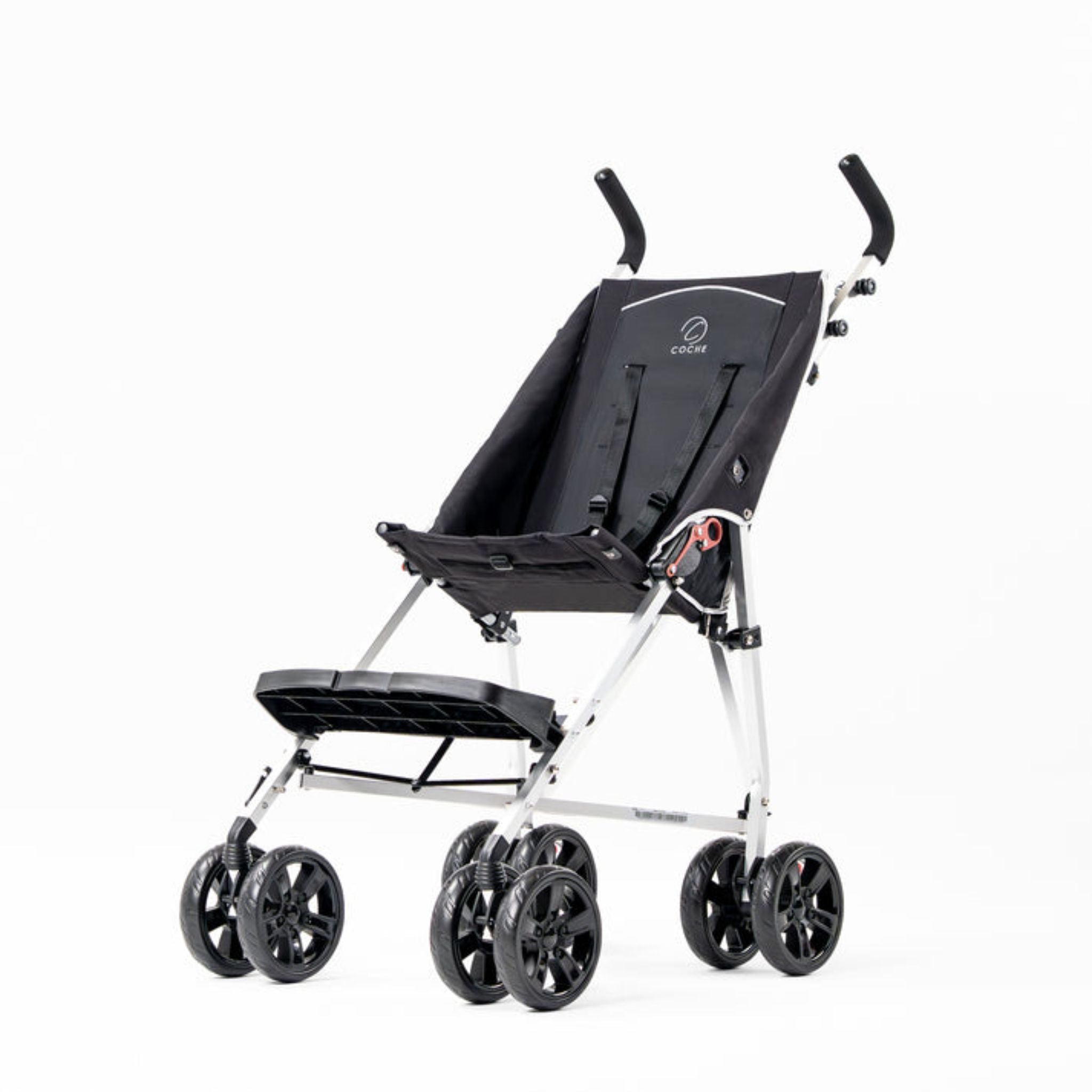
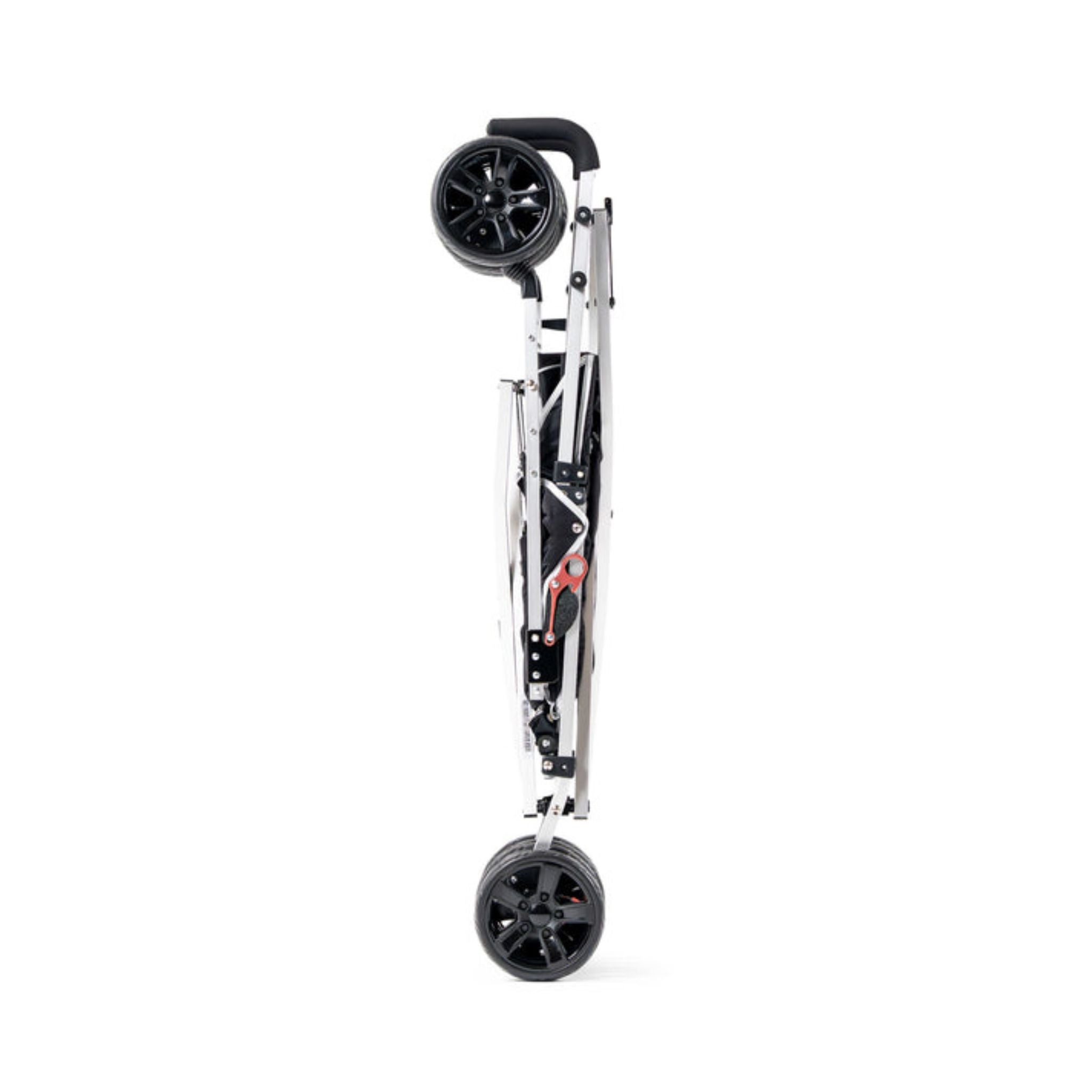
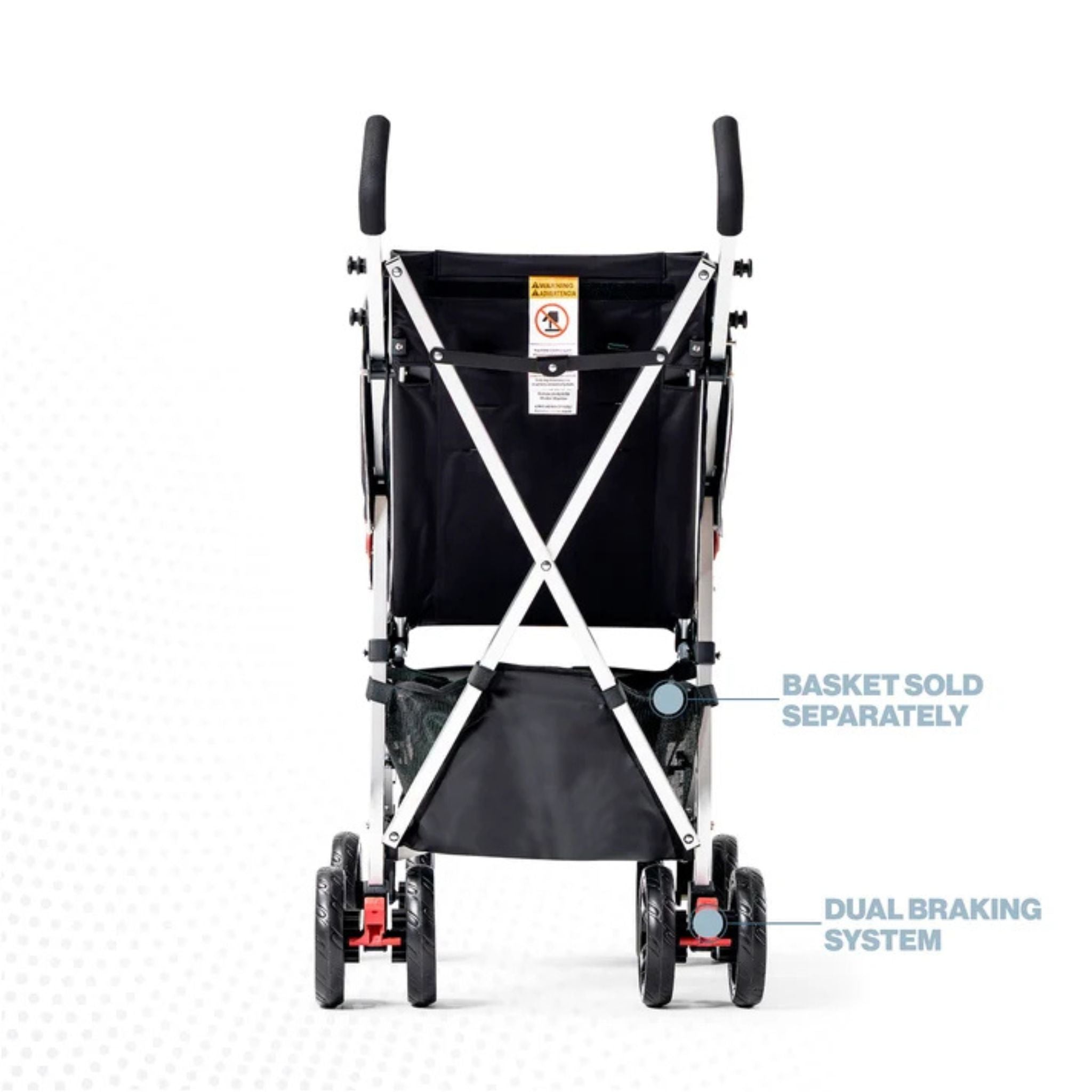
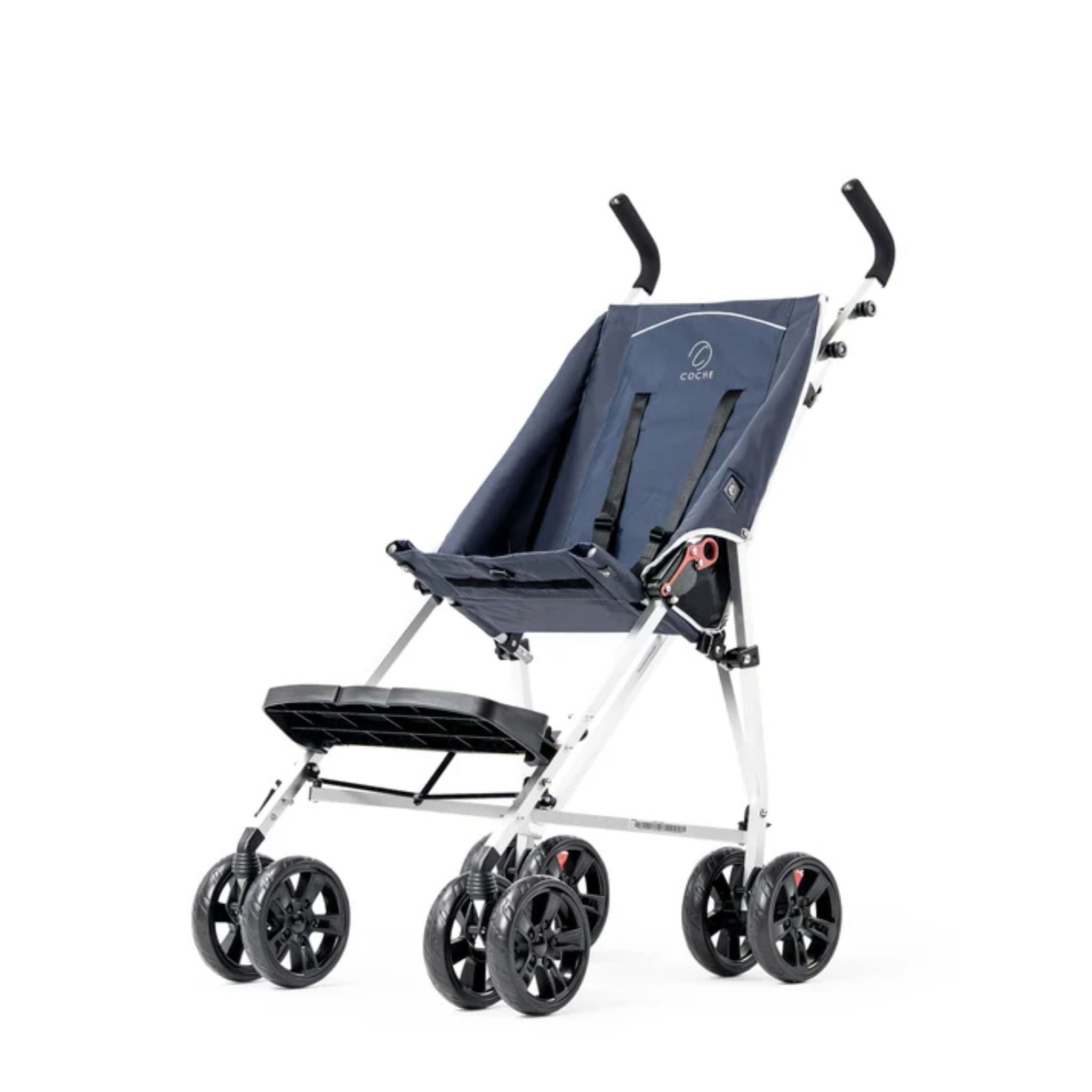
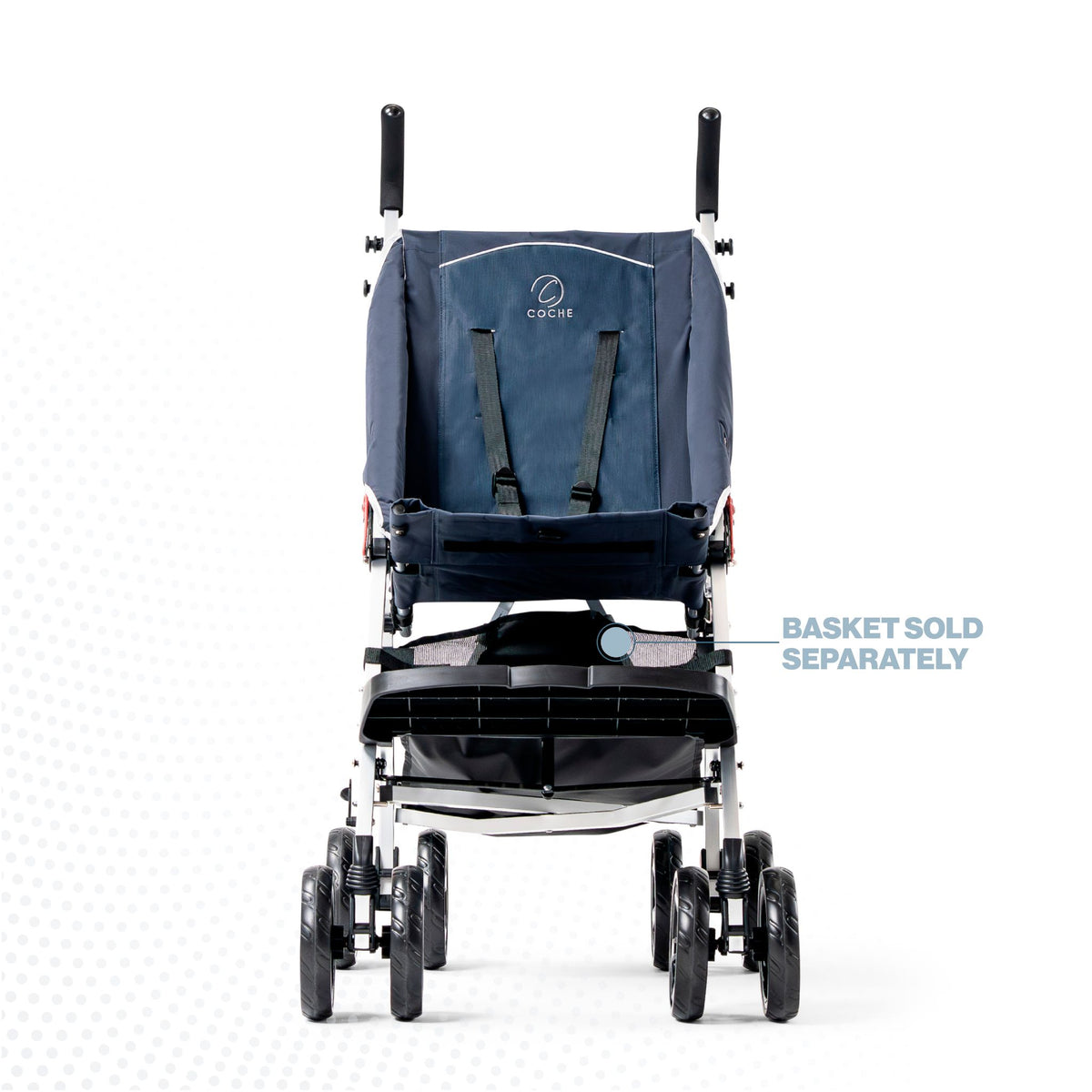
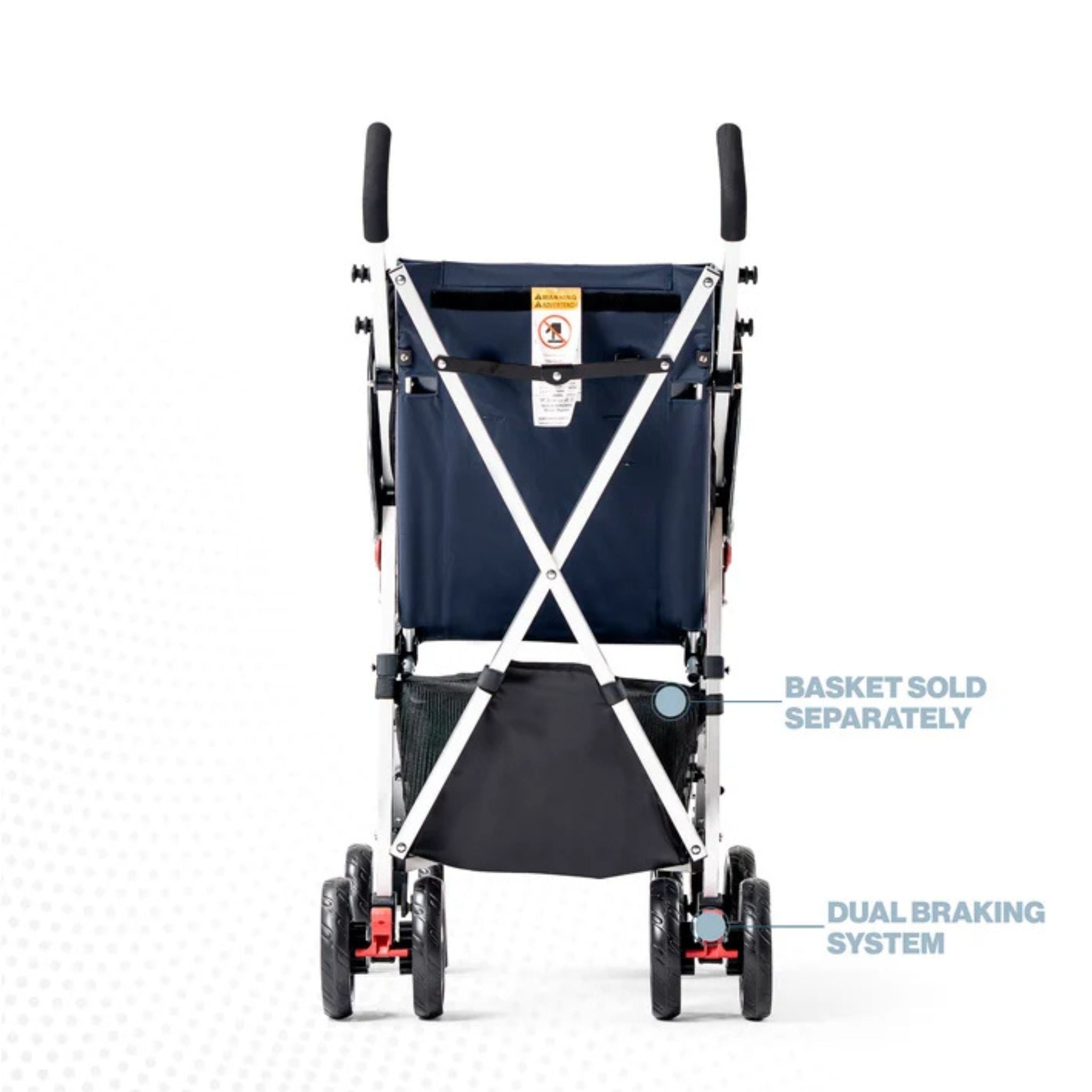
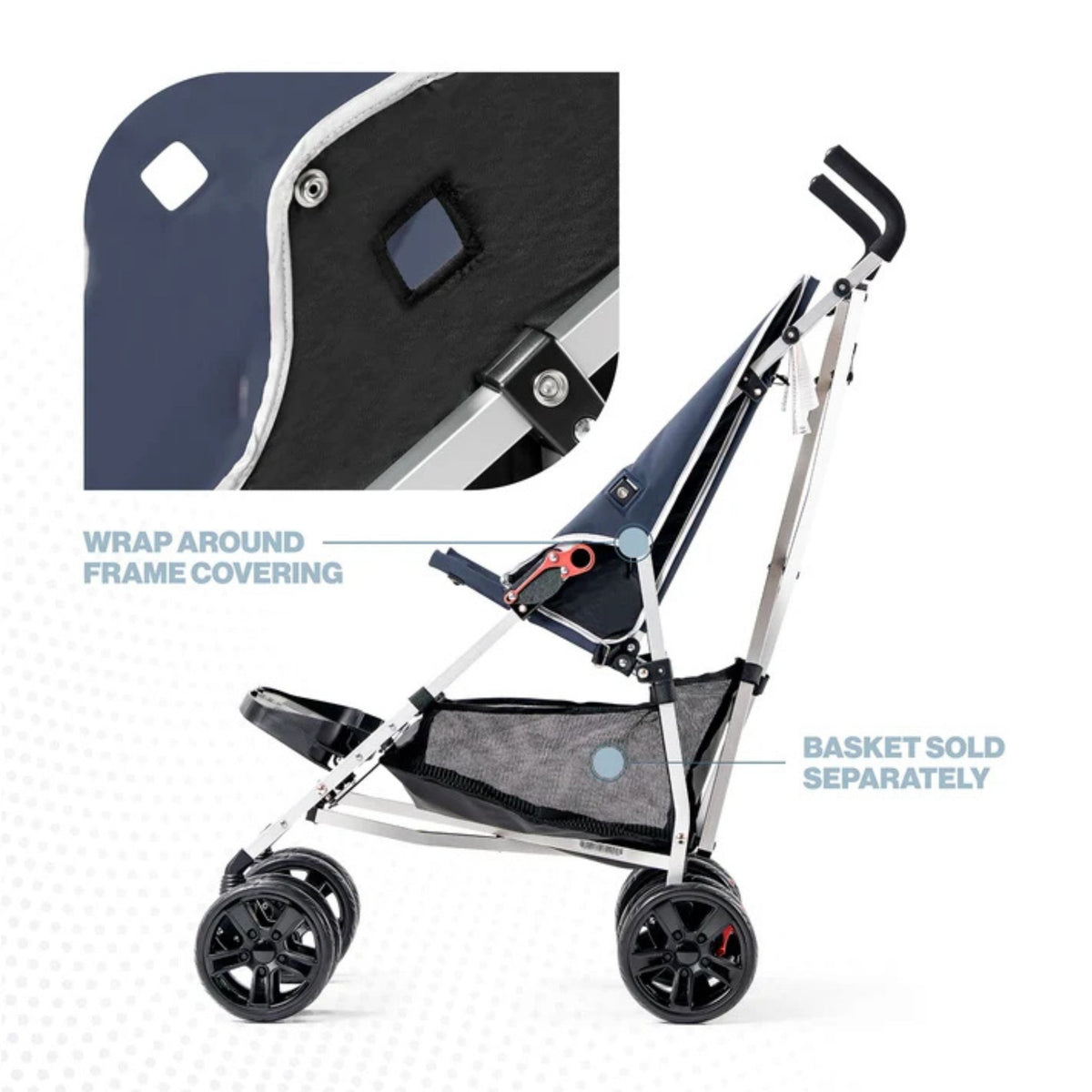
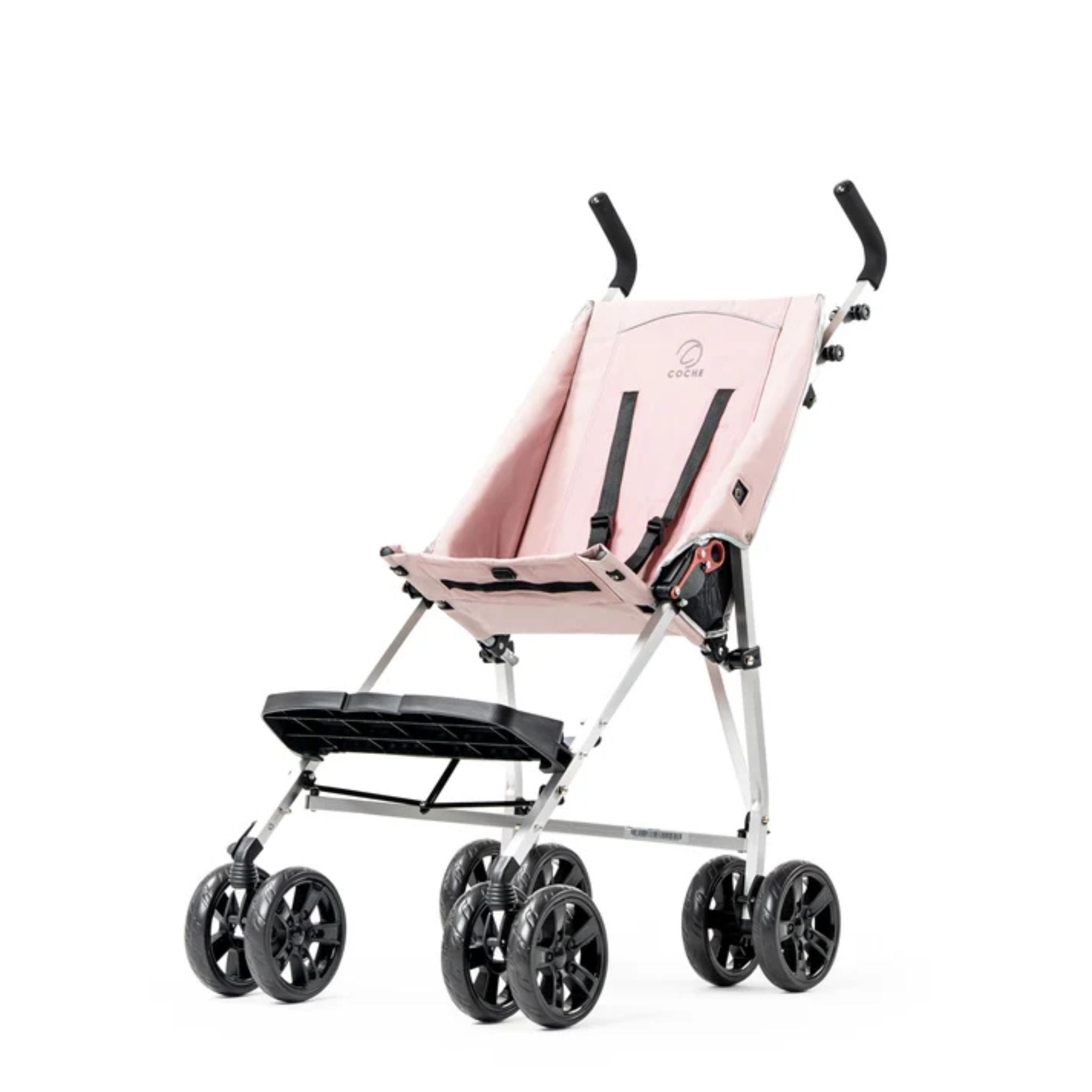
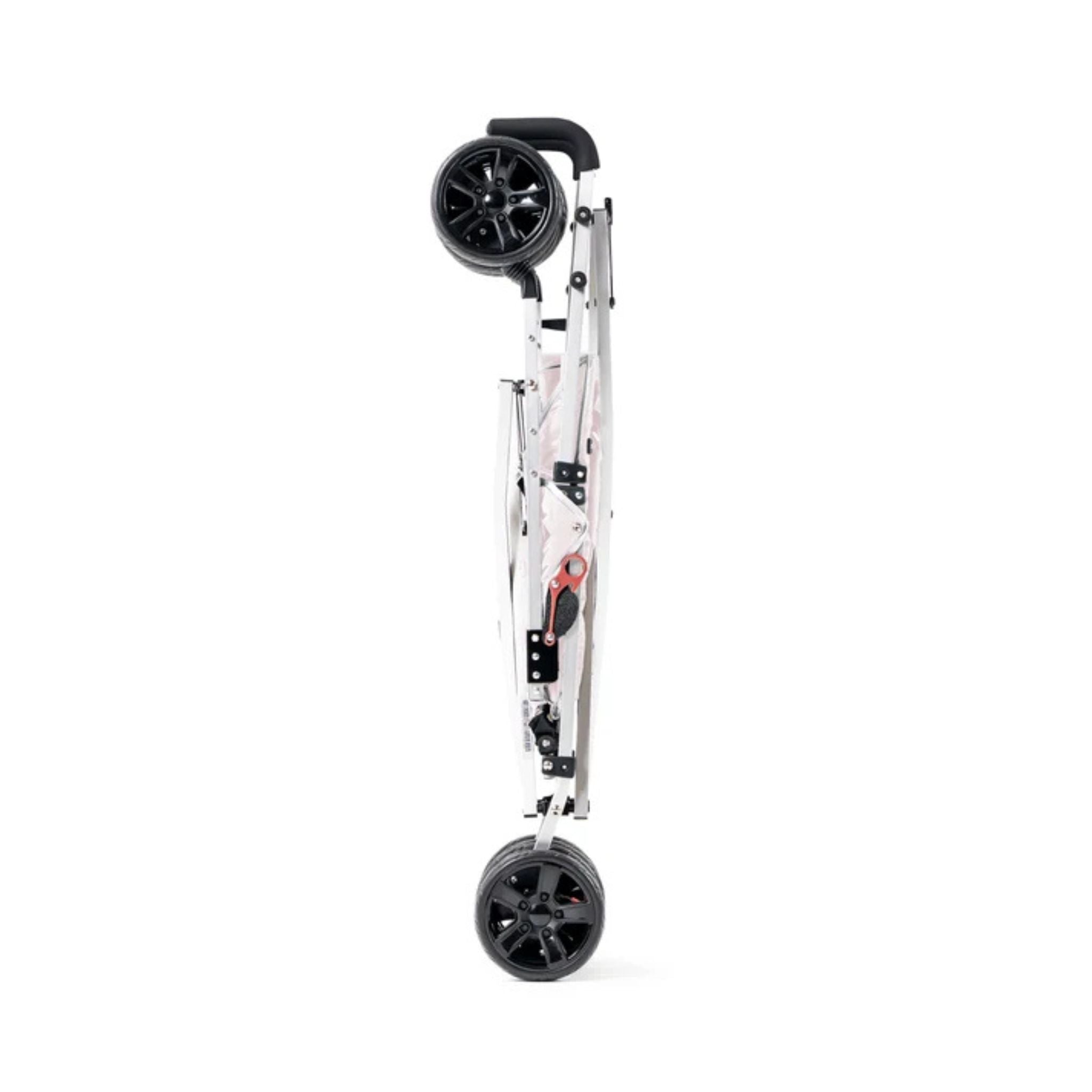
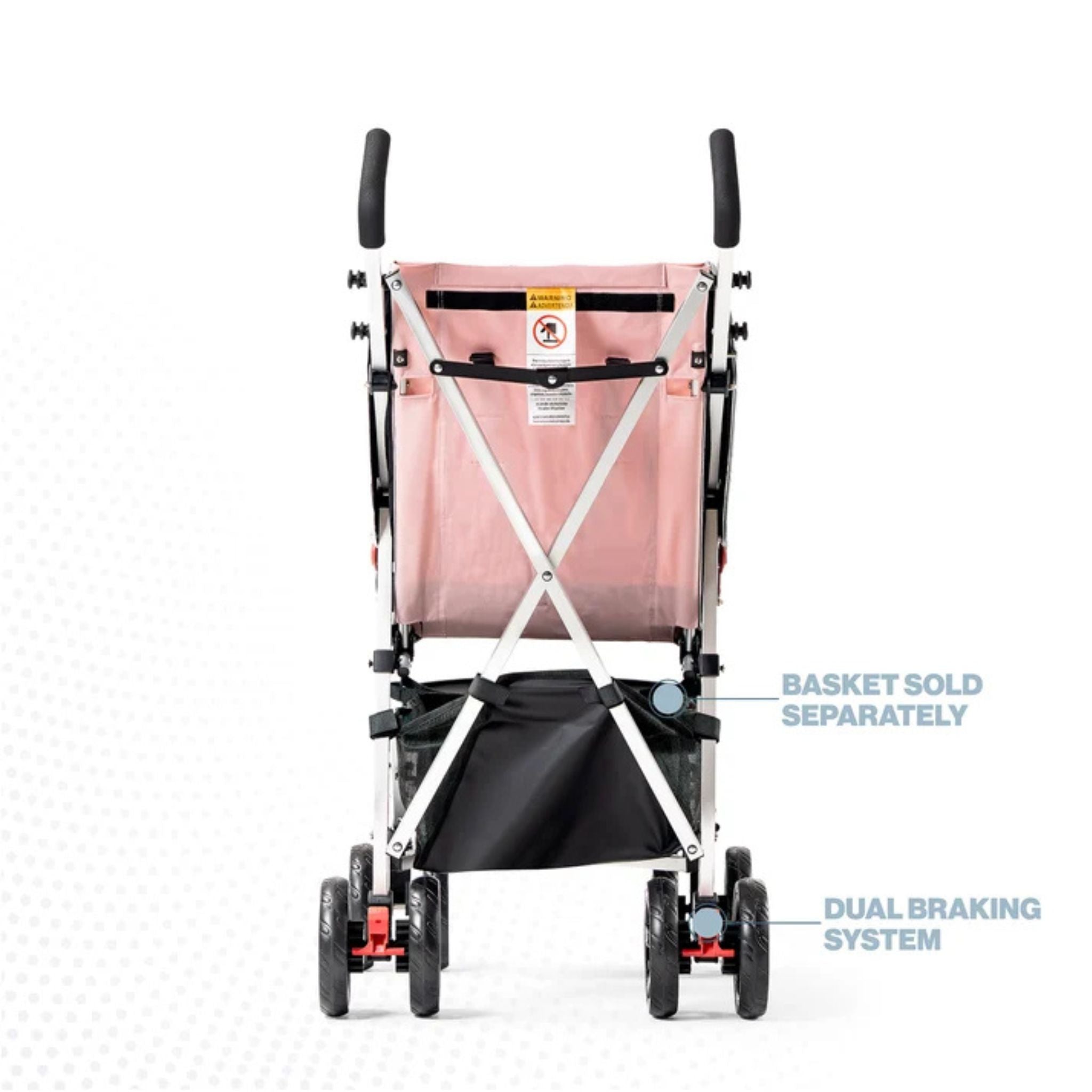
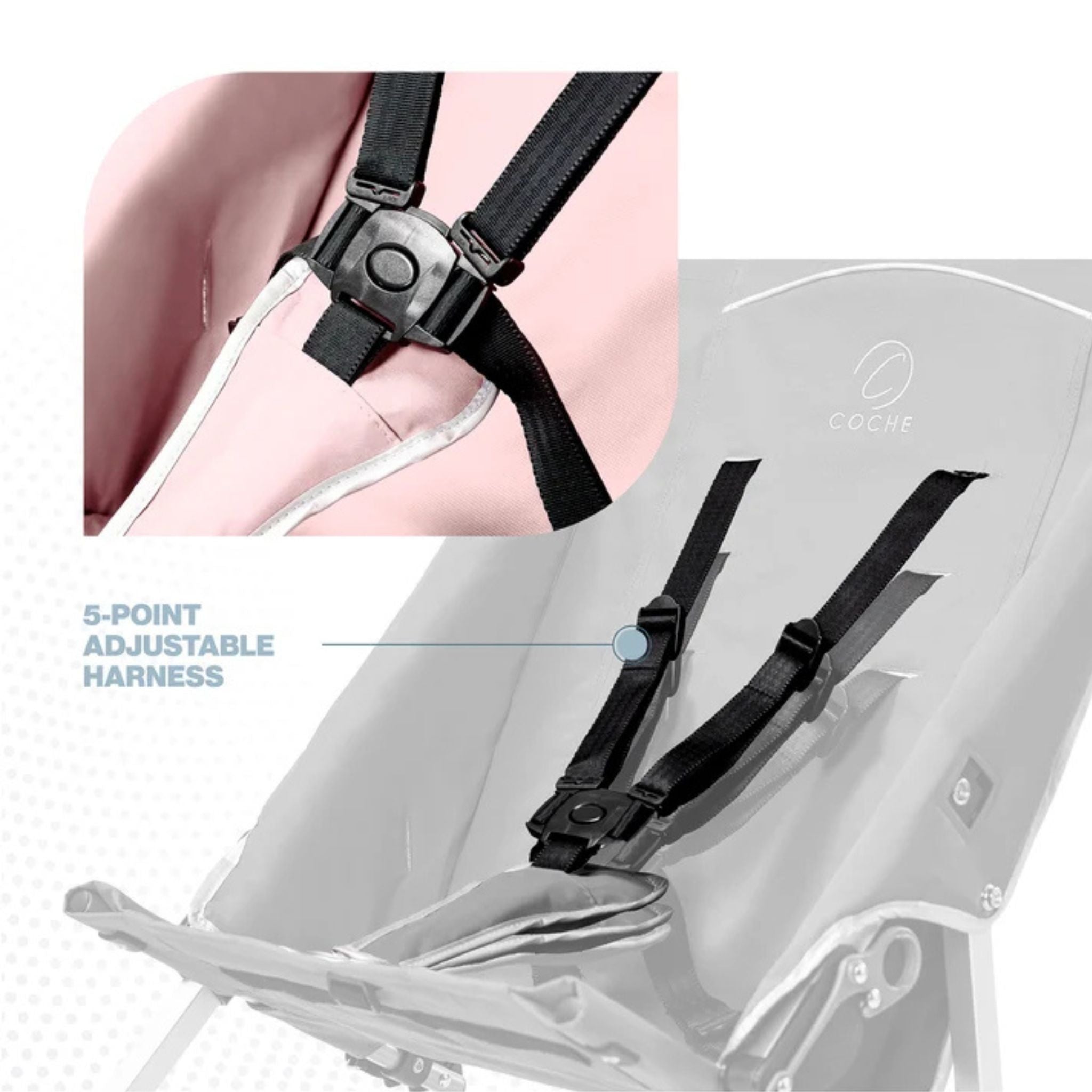
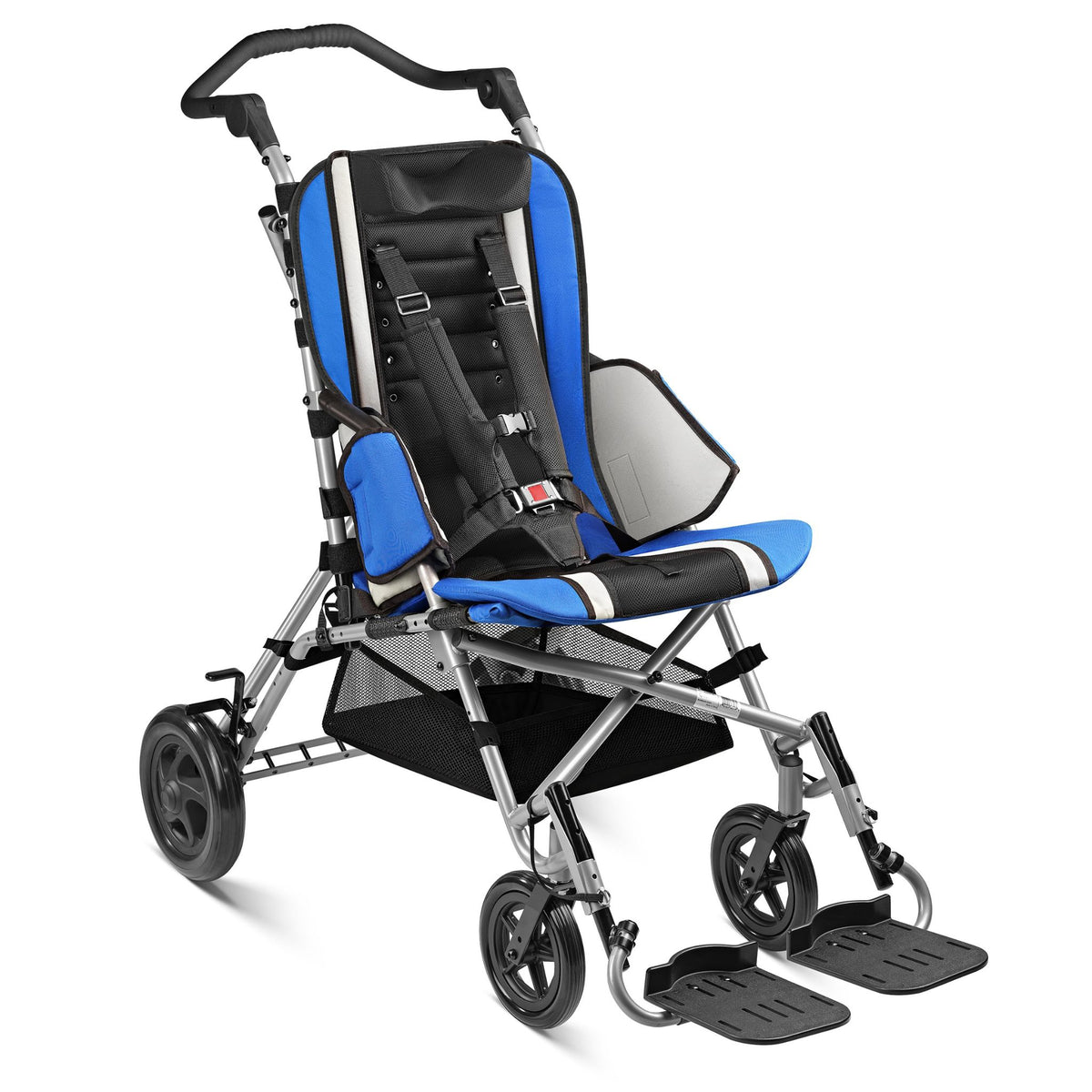
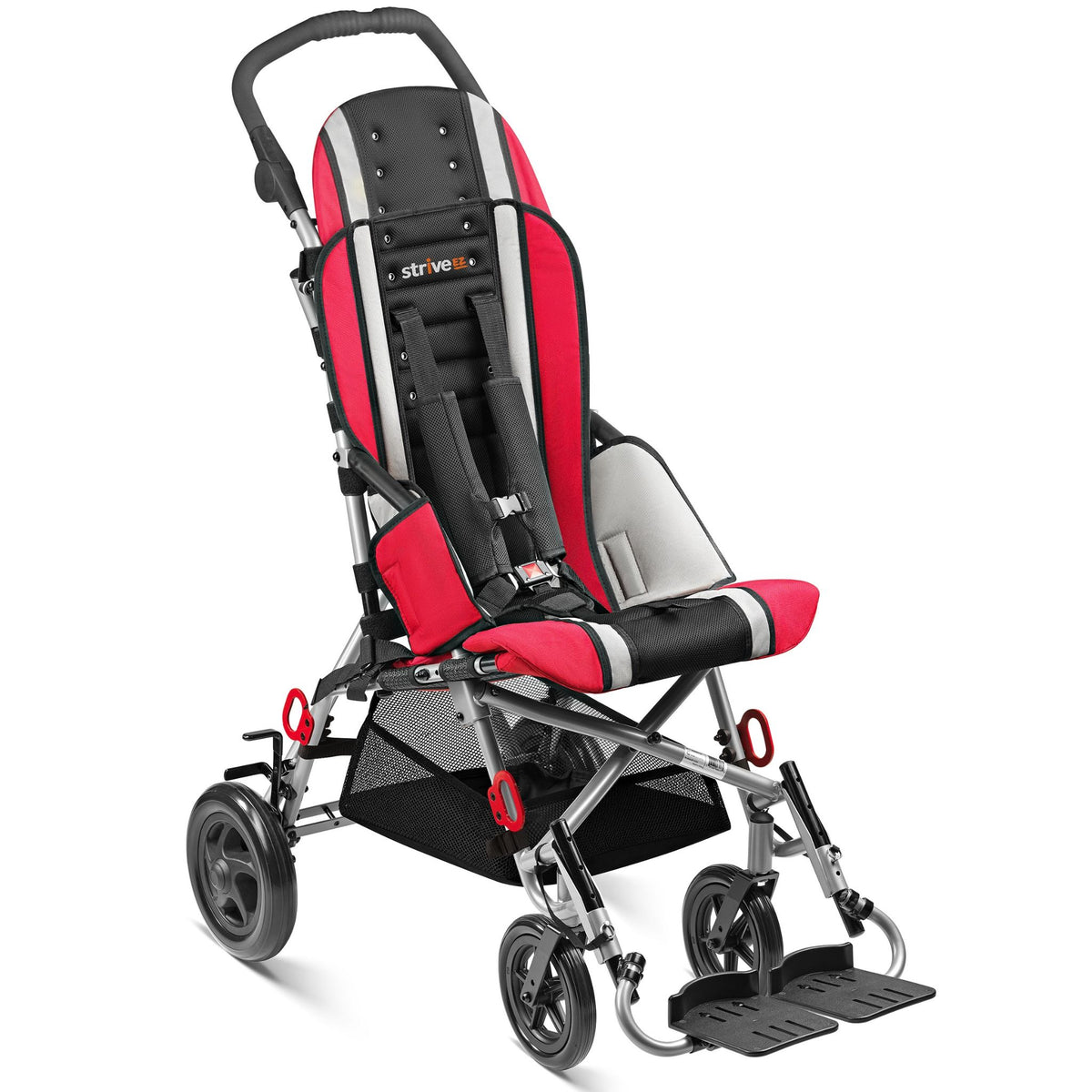
Circle Specialty Strive EZ Adaptive Stroller for Special Needs
Adaptive strollers give children who need more support than a standard stroller offers a safe, comfortable way to get through the day — school runs, therapy appointments, family outings, and everything between. This collection brings together the models we recommend most, from lightweight umbrella-fold strollers that fit in a trunk to fully configurable positioning systems with tilt, recline, and off-road wheels. Every one is chosen for how it works in real life: how it folds, how it fits, and how easy it is for a caregiver to handle.
Which Adaptive Stroller Is Right for Your Child?
The right choice comes down to two questions: how much positioning support does your child need, and where will you use it? Here's how our core models compare.
| Model | Best for | Support level | Fold & transport |
|---|---|---|---|
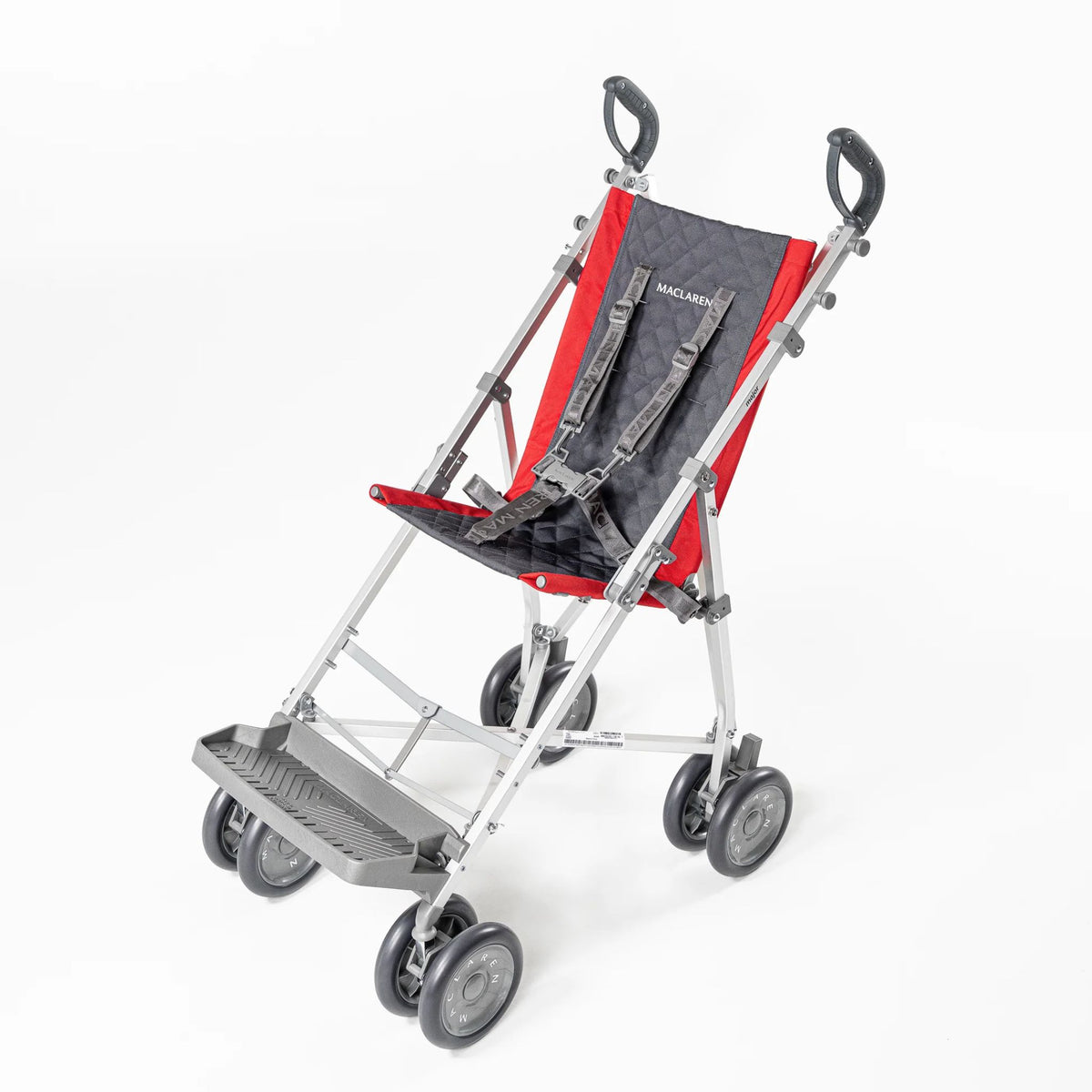
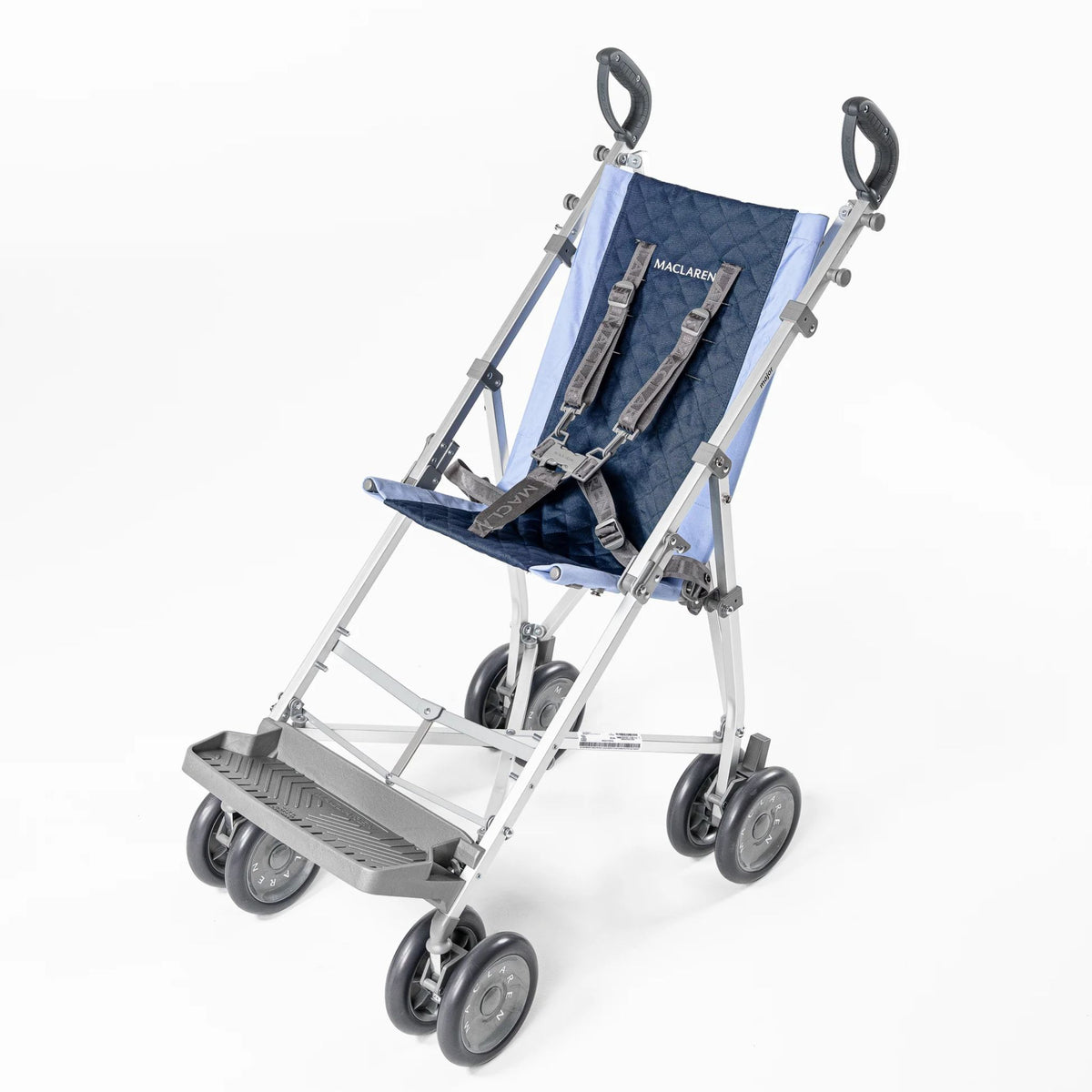
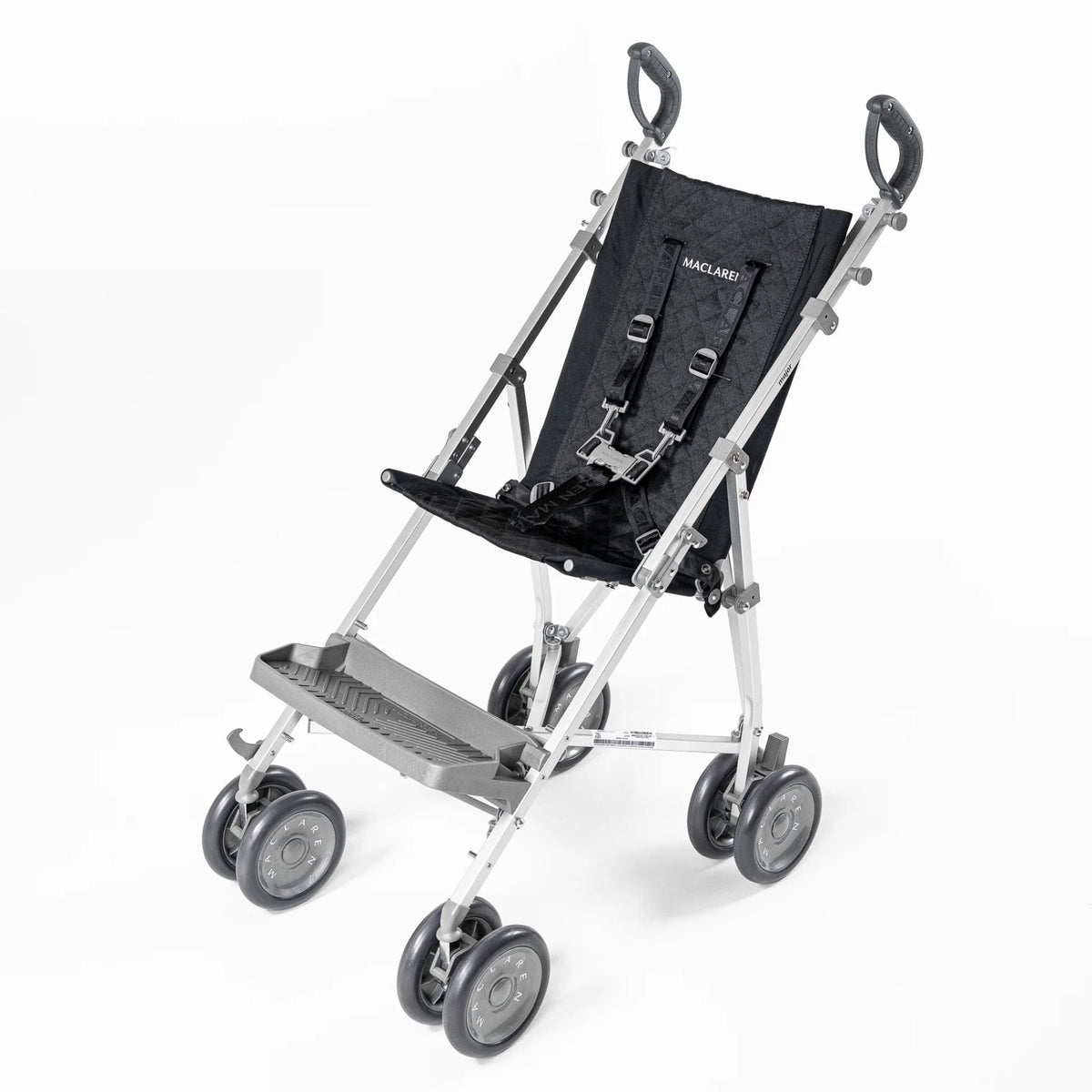
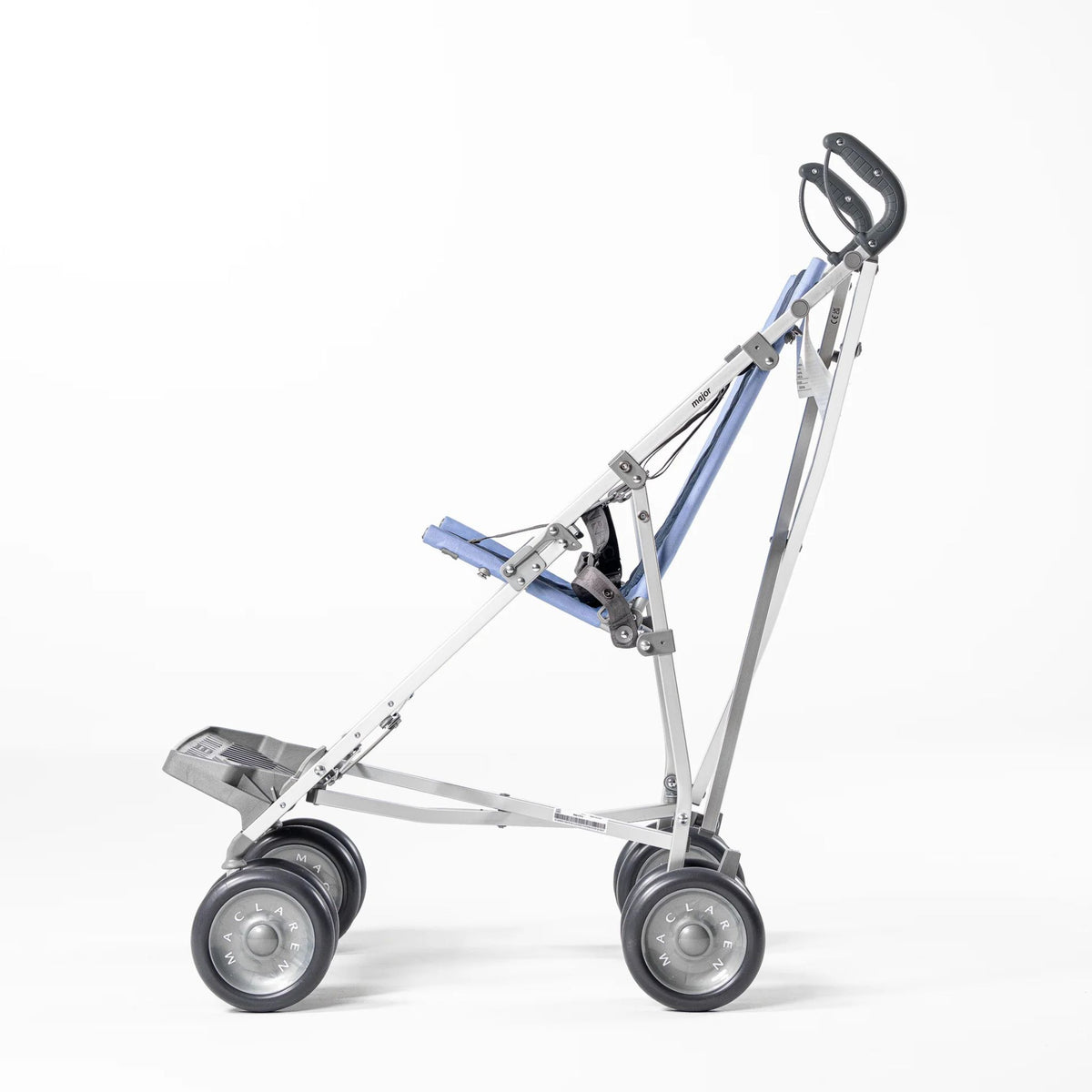
| Maclaren Major Elite | Kids up to 110 lb who sit well with a harness and need a stroller that goes everywhere | Basic — 5-point harness, fixed seat, no recline | Lightest in the collection at 15.2 lb; classic umbrella fold, gate-checks on flights |
| Coche XL | Everyday transport with a bit more room and padding than an umbrella stroller | Basic to moderate — padded seat, 5-point harness | Compact fold, four-wheel base with suspension |
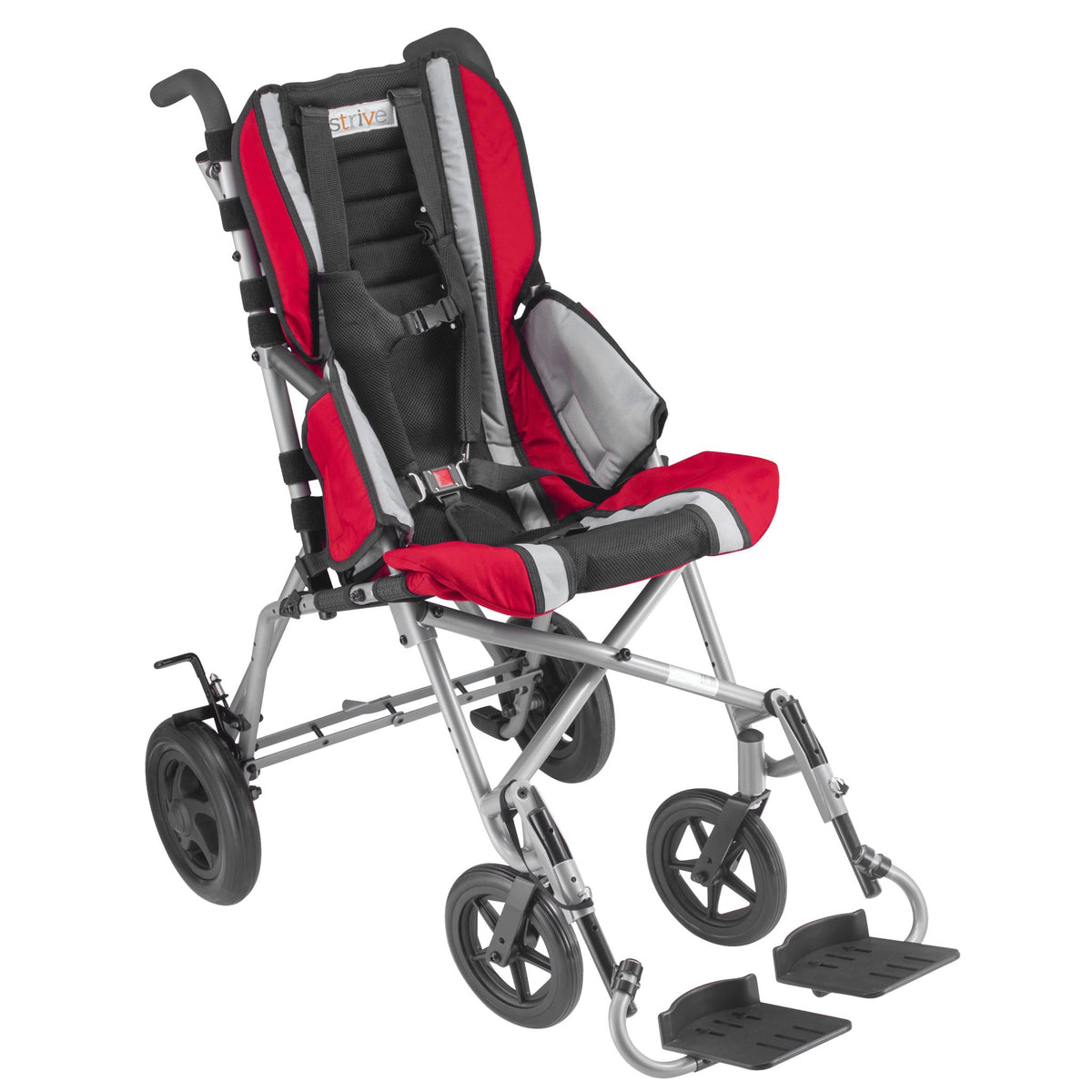
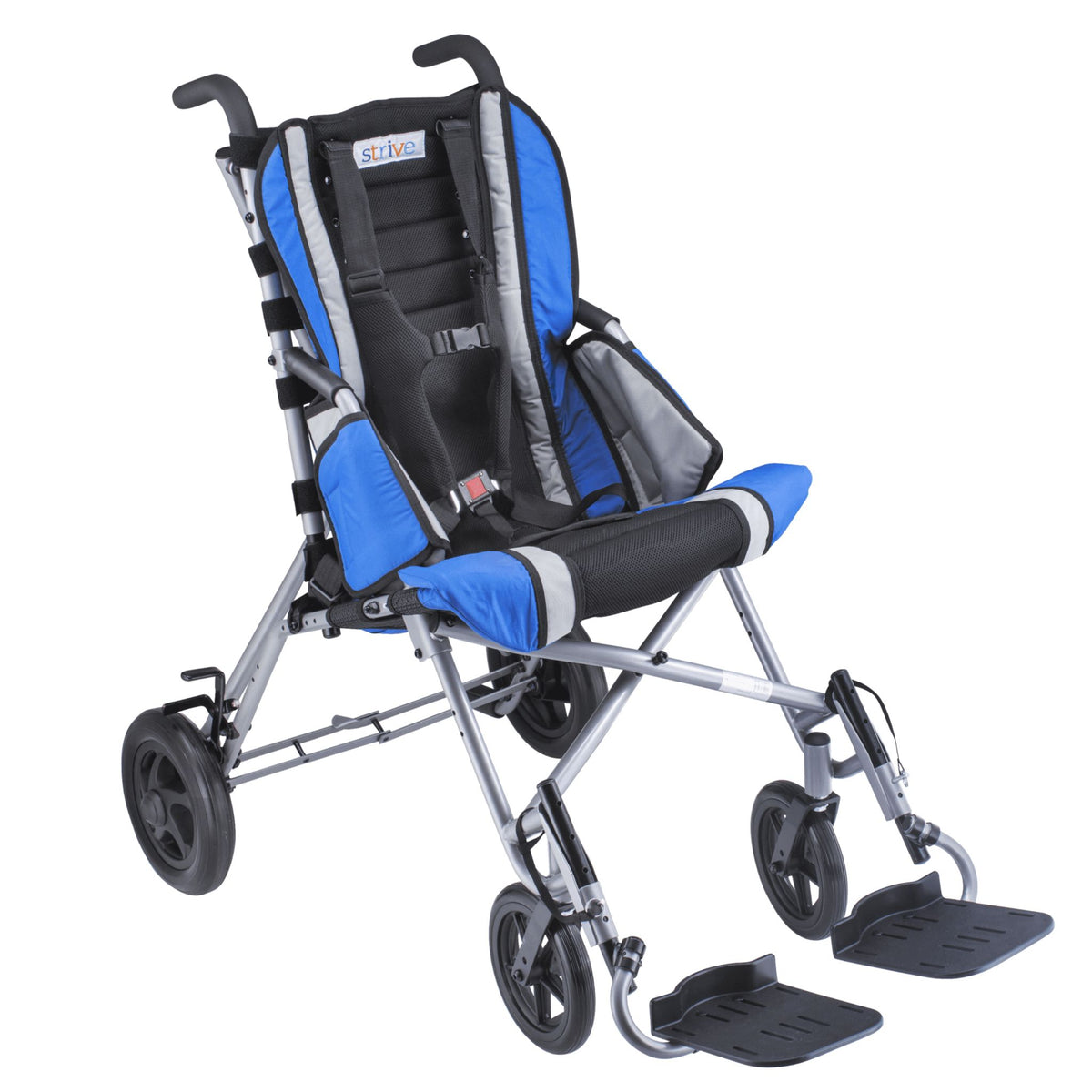
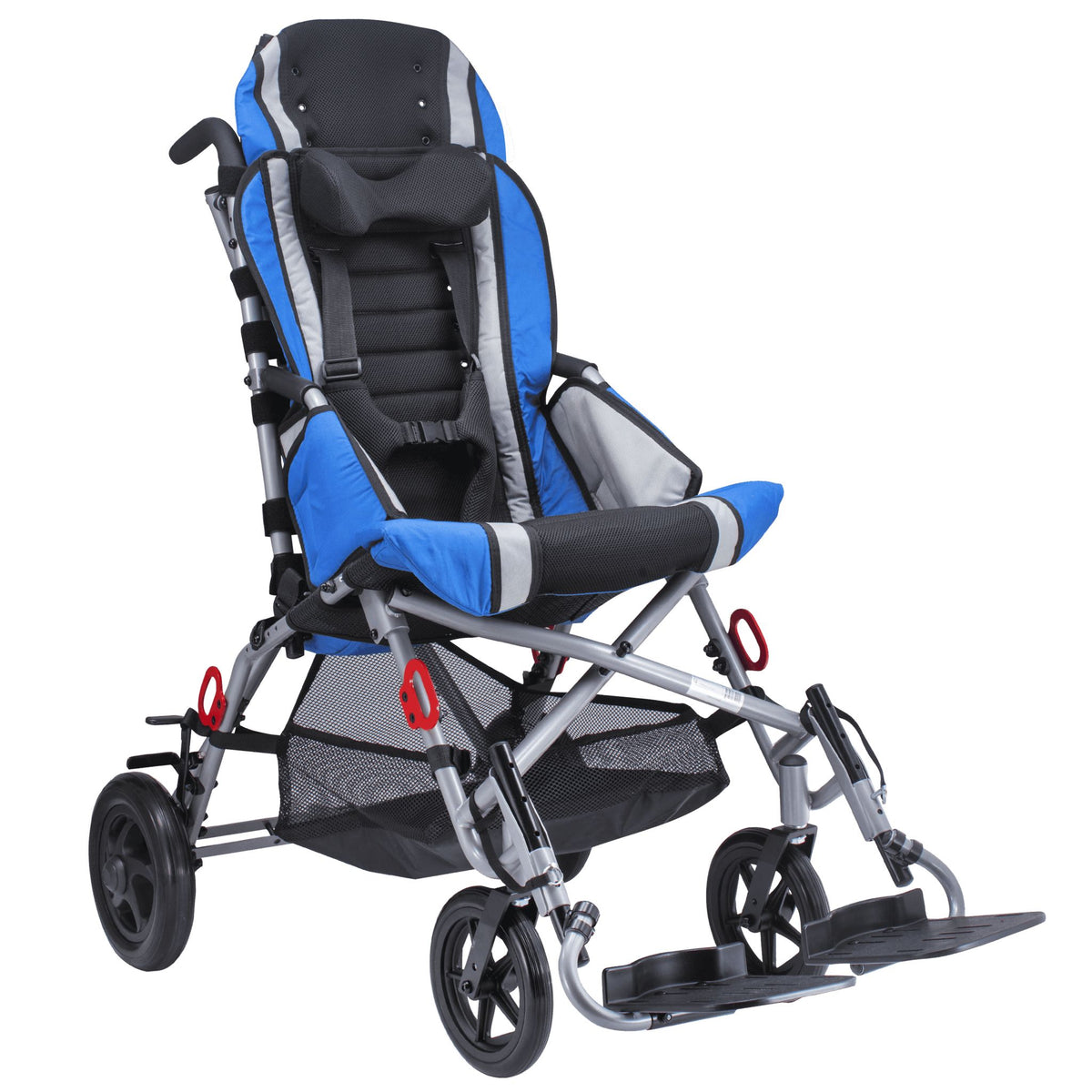
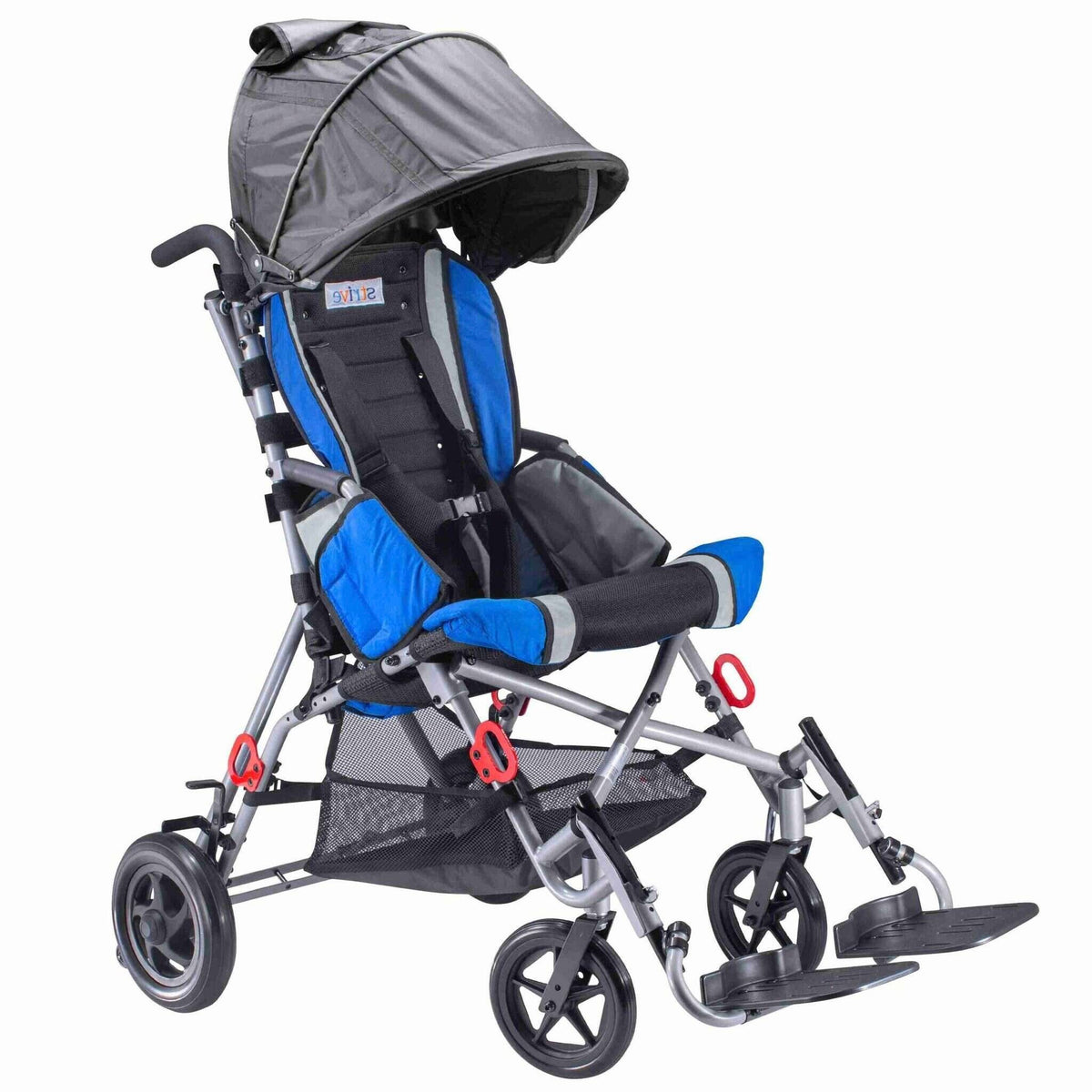
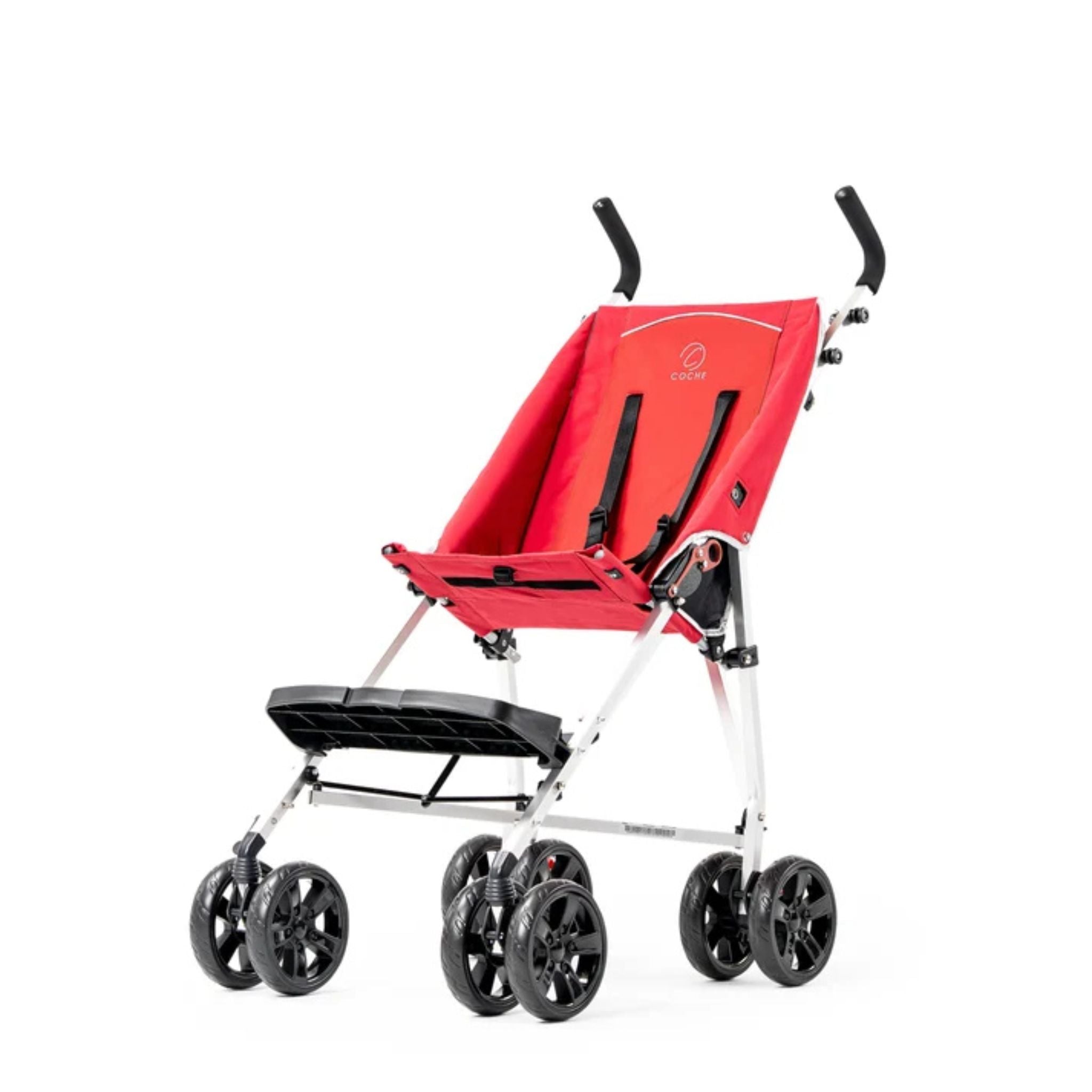
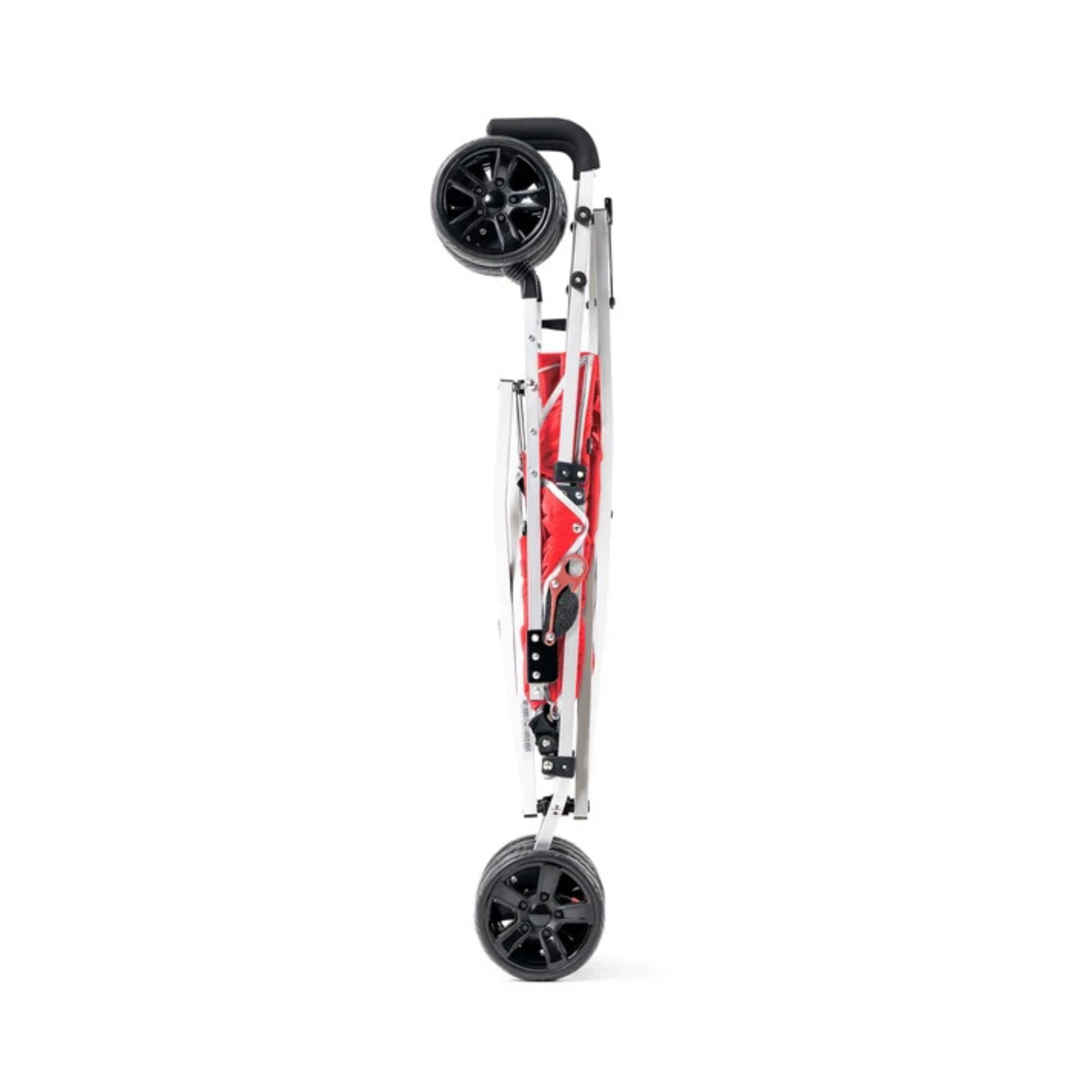
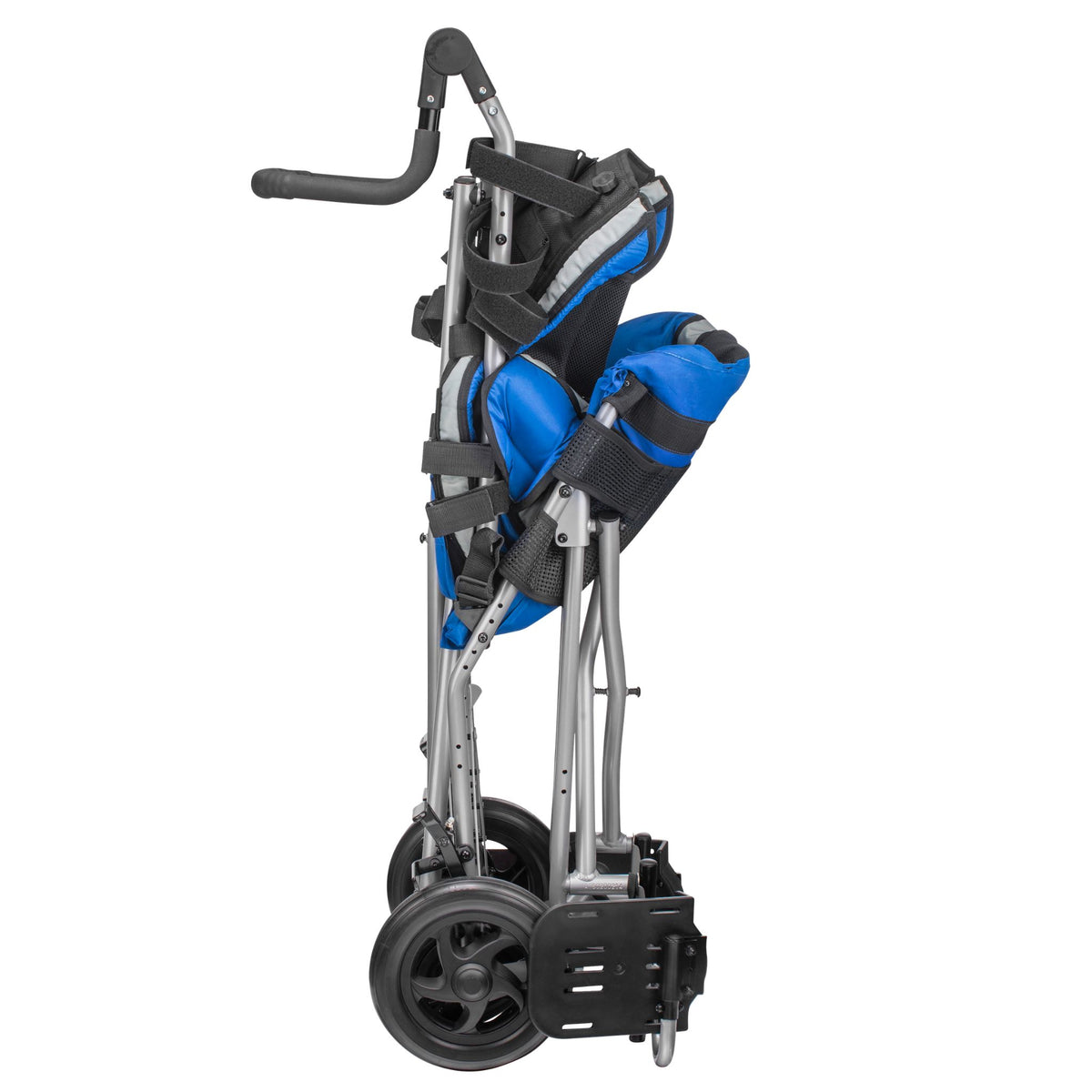
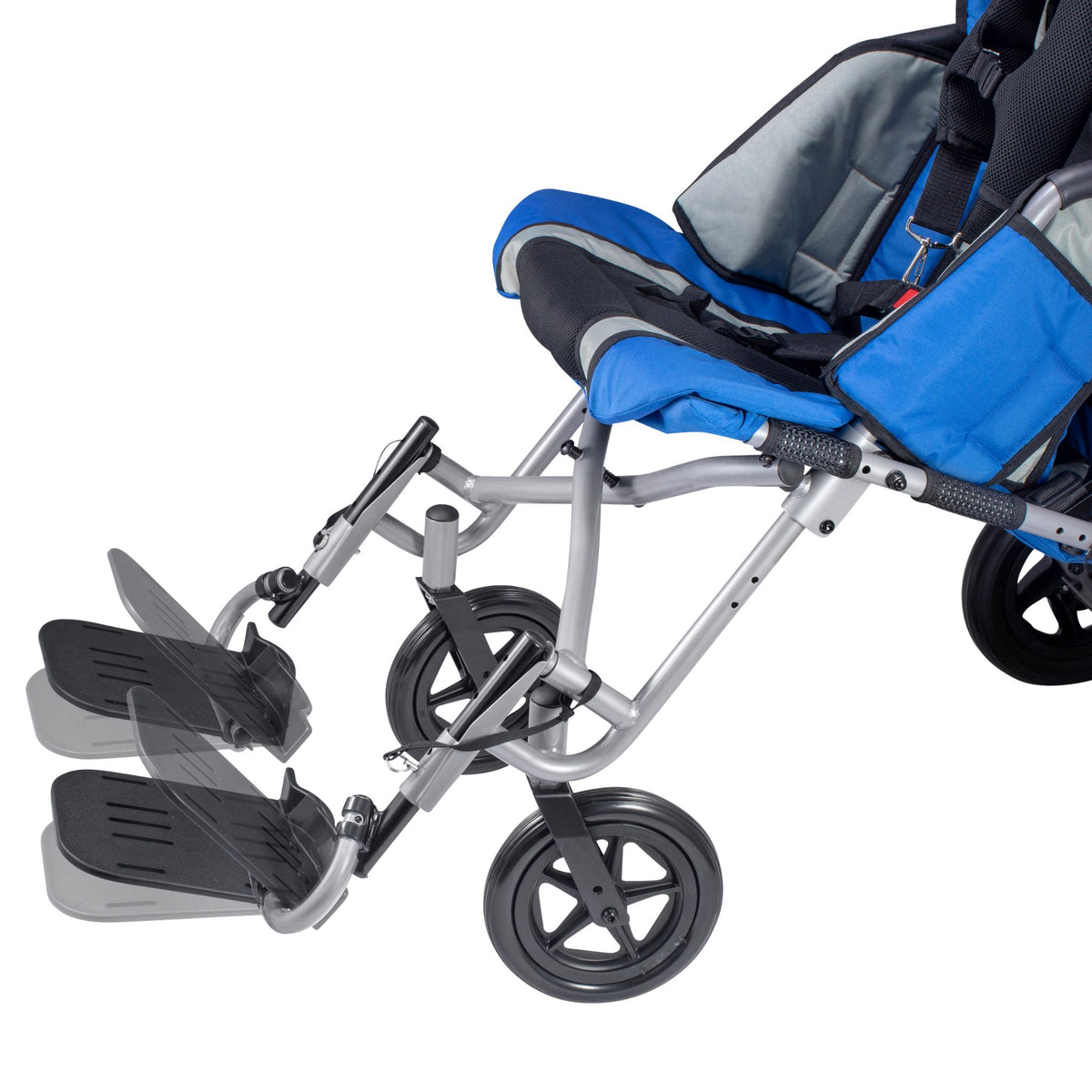
| Strive Adaptive Stroller | Growing children who need adjustable positioning for longer daily use | Moderate — adjustable seating and support options | Travel-friendly folding frame |
| JOSI Custom Stroller | Active families who want one system for walking, jogging, and bike-trailer use | Moderate to high — configurable seating and accessories | Modular; converts between stroller and trailer modes |
| KARI Tilt & Recline Stroller | Children who need tilt-in-space and recline, plus trails and uneven ground | High — tilt, recline, and full positioning | Larger off-road wheels and suspension; folds for vehicle transport |
Not sure where your child falls? Our Pediatric Mobility Equipment Buying Guide walks through the decision, or call (844) 795-2930 and we'll talk it through with you.
Four Types of Adaptive Stroller
- Lightweight and travel strollers — umbrella or compact folds under 20 lb, built for car trunks, airports, and quick trips. The Maclaren Major Elite and Coche XL lead this group.
- Supportive adaptive strollers — adjustable seat depth, back height, and support accessories for children who are still growing or who spend longer stretches in the stroller. The Strive is the example here.
- Outdoor and jogging strollers — larger wheels, suspension, and a sturdier frame for parks, trails, and rough sidewalks. The JOSI and KARI are built for this.
- Custom mobility systems — configurable seating, sizing, and accessories matched to a specific child, often chosen with a therapist. The JOSI and KARI can be built up this way.
What to Measure Before You Order
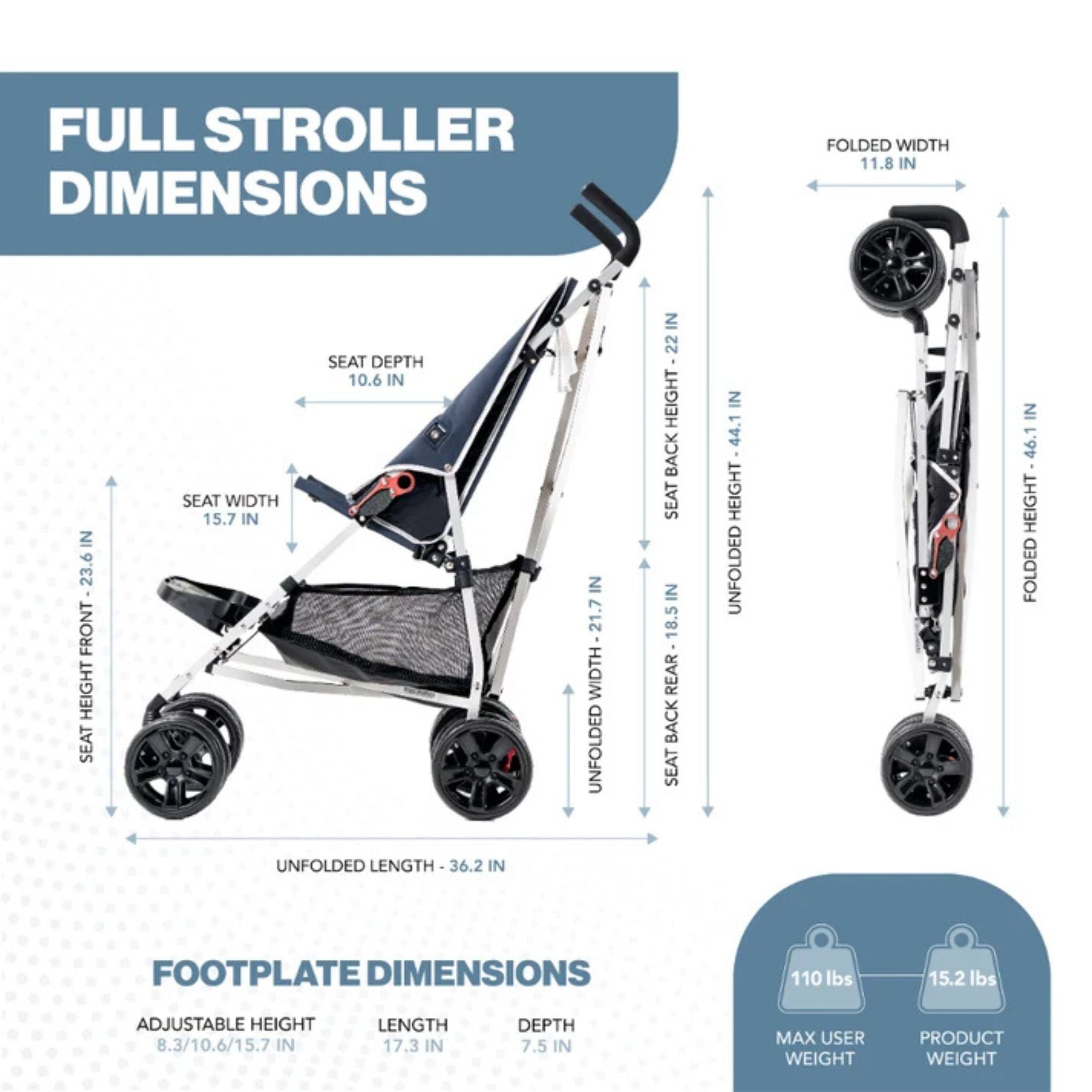
Fit matters more with an adaptive stroller than with any other piece of equipment, and it's the most common reason for a return. Before choosing, measure your child seated:
- Hip width — compare to the stroller's seat width; allow an inch or so of clearance for clothing and growth.
- Thigh length (back of hips to behind the knee) — compare to seat depth so the knees bend at the front edge.
- Seat-to-shoulder height — compare to seat back height and the harness strap range.
- Lower-leg length (knee to sole) — compare to the footrest positions.
- Weight — stay comfortably under the rated capacity, and remember that bags on the handles count against stability, not capacity.
Also think about your car: measure the trunk opening against the stroller's folded dimensions, and if you'll be lifting it often, the stroller's own weight matters as much as your child's.
Important Safety Notes
- Unless the manufacturer specifically states otherwise, adaptive strollers are not crash tested for use as a vehicle seat. Transfer your child to an approved car seat or bus restraint for travel.
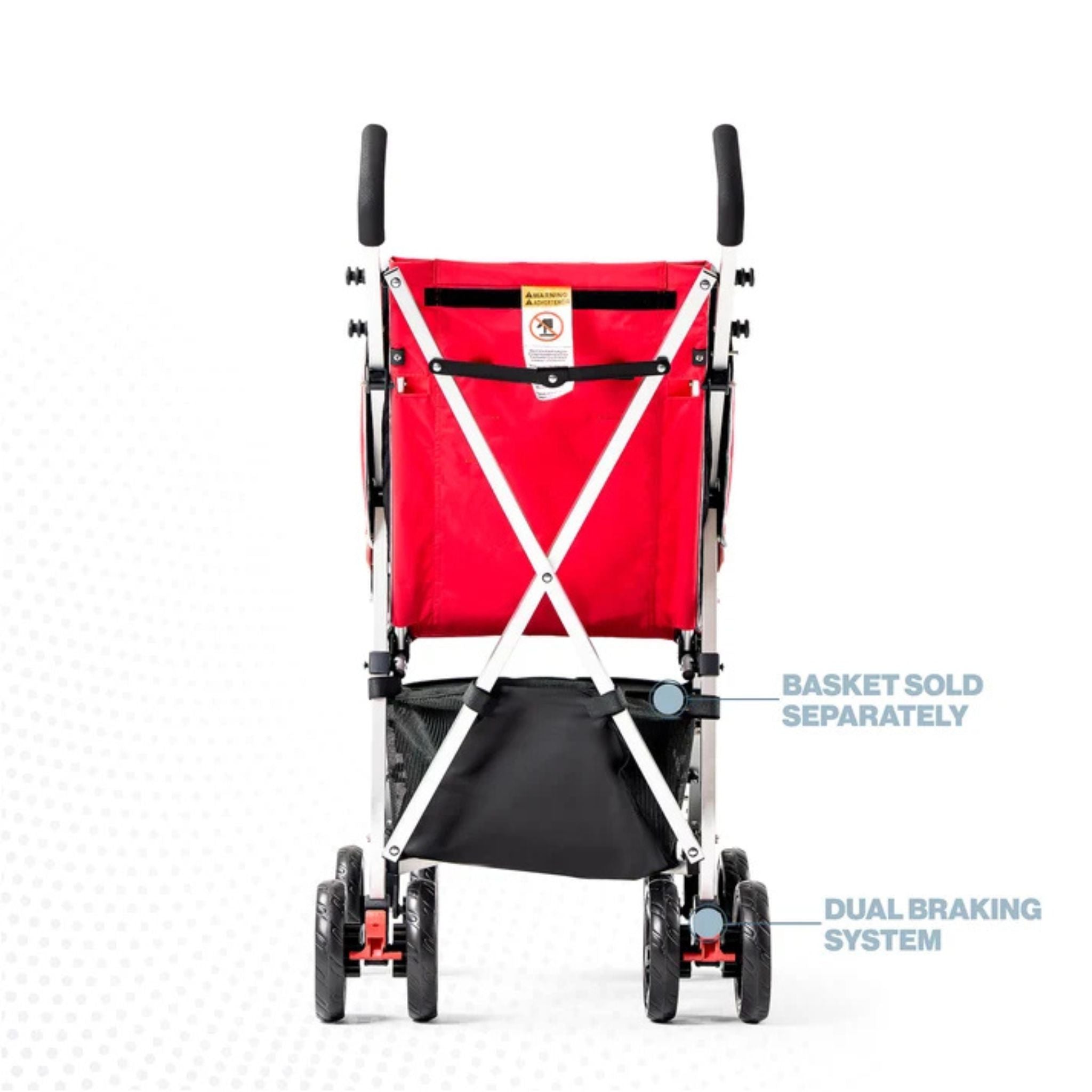
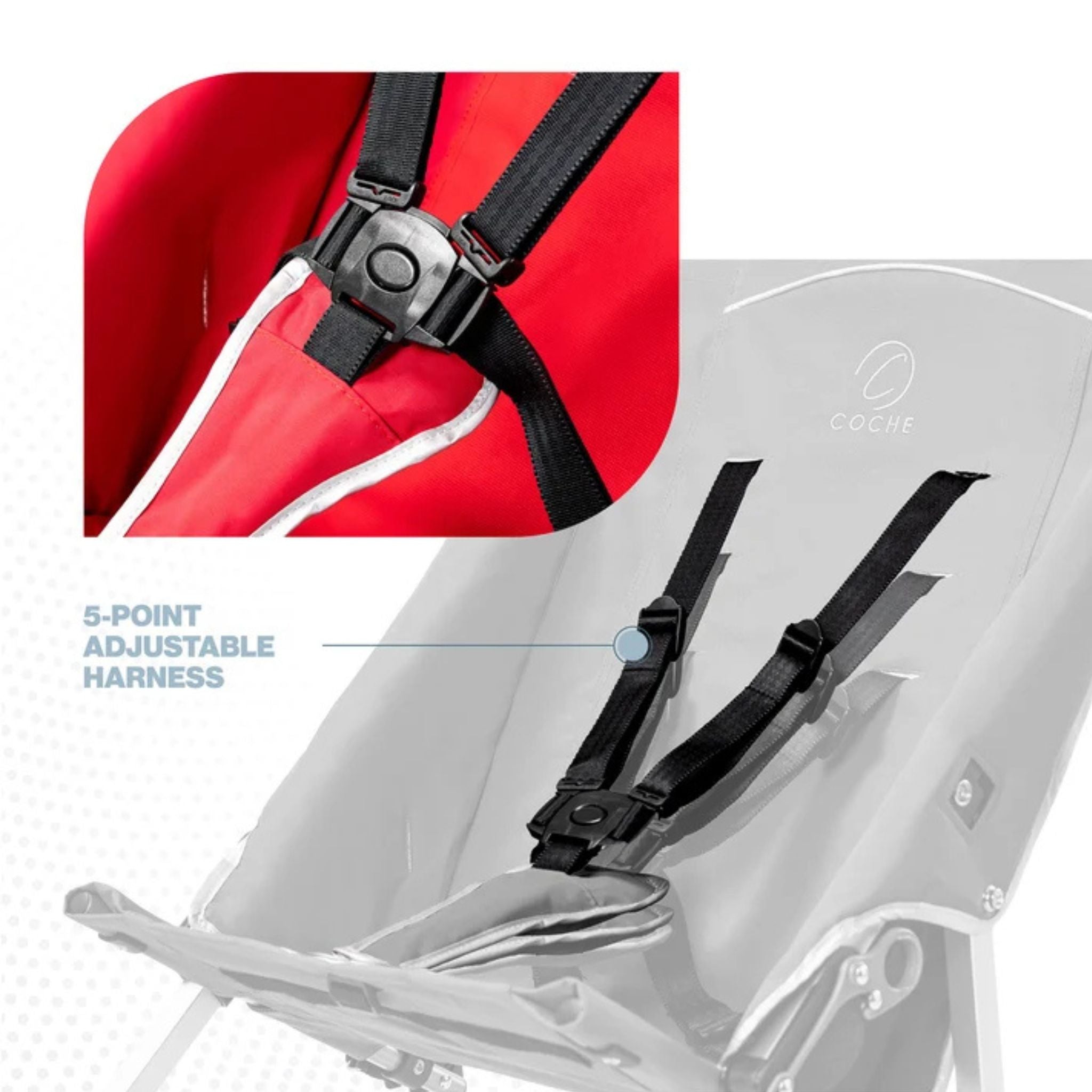
- Always use the harness and engage the brakes when stationary, and never hang heavy bags on the handles.
- If your child has significant postural needs, involve their physical or occupational therapist in the choice — a fixed-seat stroller is not a substitute for a positioning system.
Paying for an Adaptive Stroller
We don't bill Medicare, Medicaid, or private insurance, but many families are reimbursed through state Medicaid waiver programs, and adaptive strollers are HSA/FSA eligible. We provide an itemized receipt for your submission, and financing through Shop Pay Installments and Affirm is available at checkout.
Need Help Choosing?
We'd rather spend ten minutes on the phone with you than process a return. Call (844) 795-2930 or email support@independentlivingsuperstore.com and a real person will help you match the stroller to your child, your car, and your routine.