

Your child has outgrown a regular stroller, but school runs, therapy appointments, and family outings still call for one. Lifting a bigger child is harder on your back, and whatever you choose has to fit in the trunk. The right adaptive stroller makes those everyday trips easier for everyone, starting with your child.
Quick Answer: If your child sits upright with a harness and weighs up to 110 lb, a lightweight umbrella-fold special needs stroller like the Coche XL or Maclaren Major Elite is often the simplest fit. If your child needs trunk, head, or lower-body support, or has grown past 110 lb, a positioning adaptive stroller like the Strive or Strive EZ gives them more support and room to grow. Choose the Strive EZ when you want the easiest push.
This guide was reviewed by the Independent Living Superstore team, a veteran-owned homecare equipment retailer.
Who Adaptive Strollers Are Designed For
A special needs stroller for big kids isn't a baby stroller in a larger size. It's built to hold an older child safely and comfortably, with sturdier frames, higher weight limits, and better support. These strollers are a good match for:
- Big kids and older children who have outgrown a standard stroller but still need one for outings
- Children with autism, developmental delay, cerebral palsy, hypotonia, or other conditions where fatigue, safety, or behavior make a regular stroller impractical
- Children who need trunk, head, and lower-body support to sit comfortably upright
- Teens and adults who need supported seating for outings
- Families who move between car, school, and therapy, travel, or use public transit
- Caregivers who lift a stroller into the car every day and want quick folding and easy lifting
Types of Special Needs Strollers
Here's how the four strollers in this guide compare at a glance.
| Stroller | Best For | Weight Capacity | Stroller Weight | Key Feature |
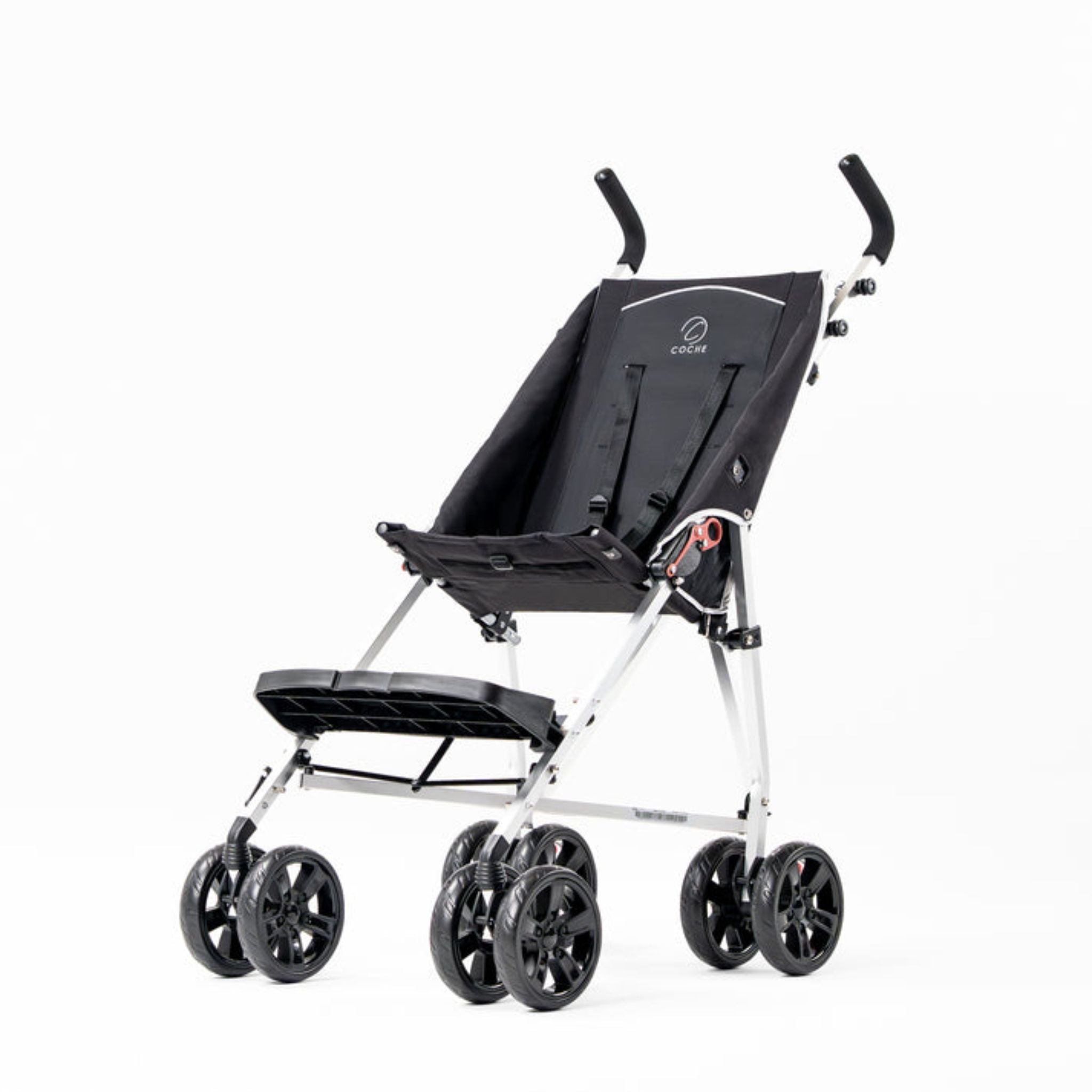
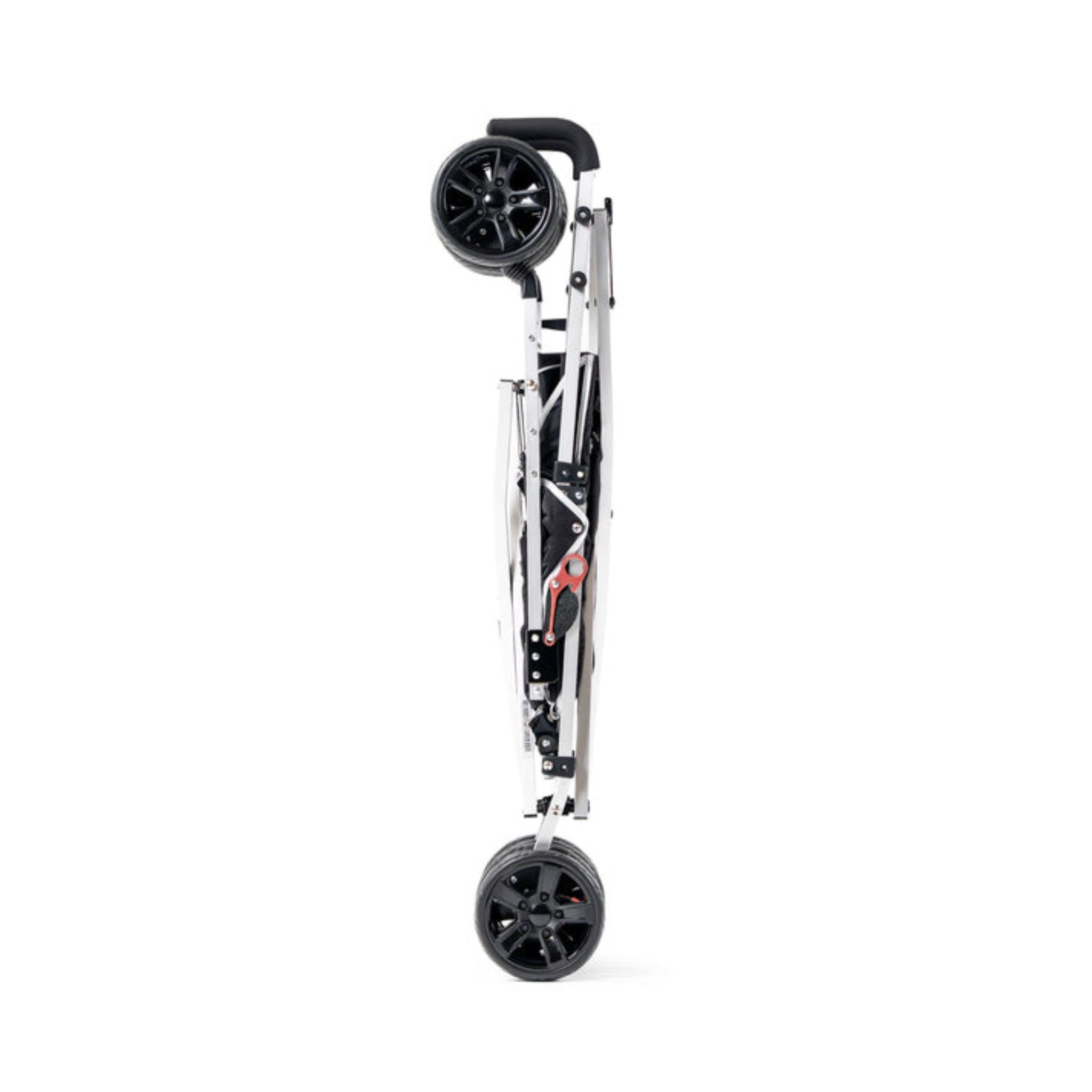
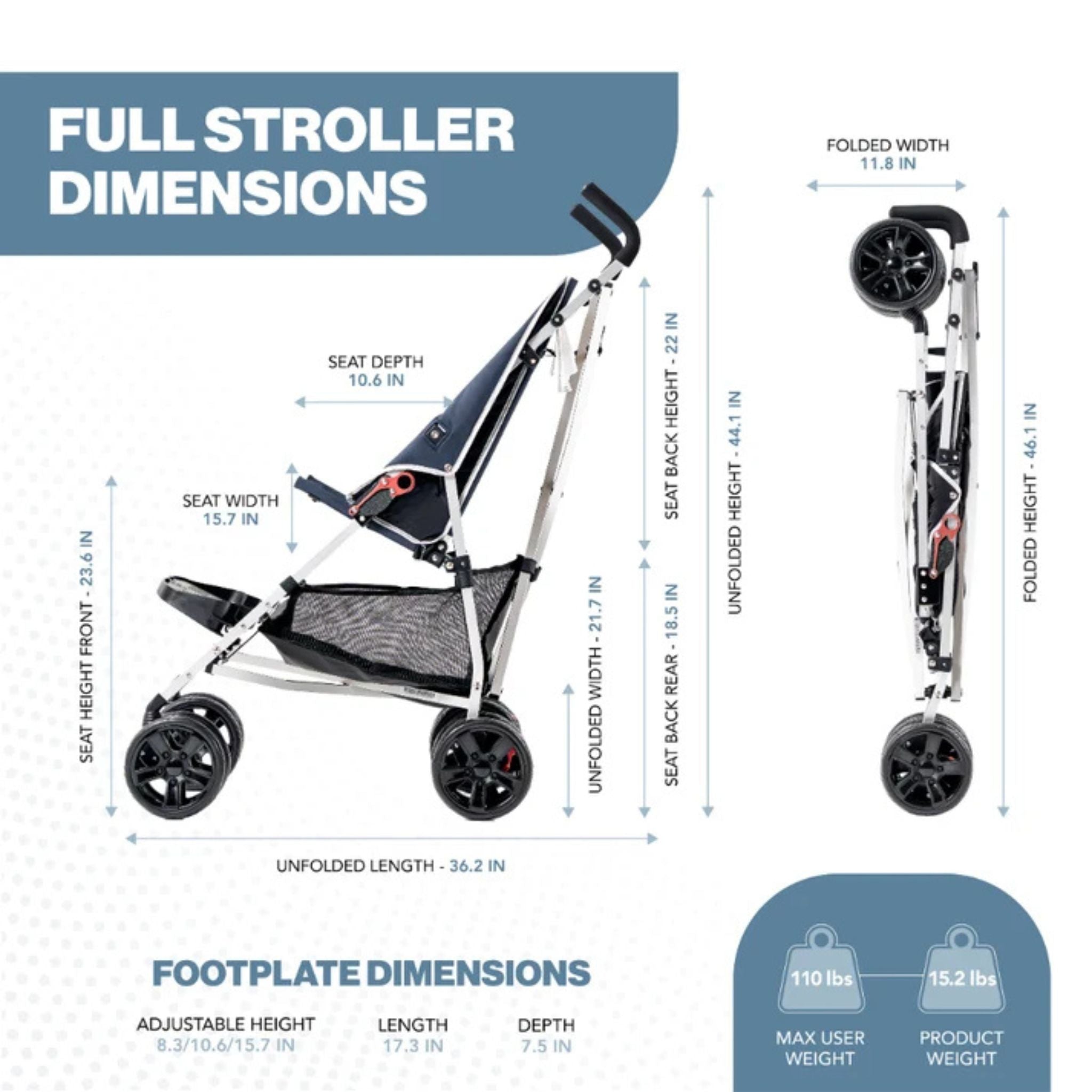
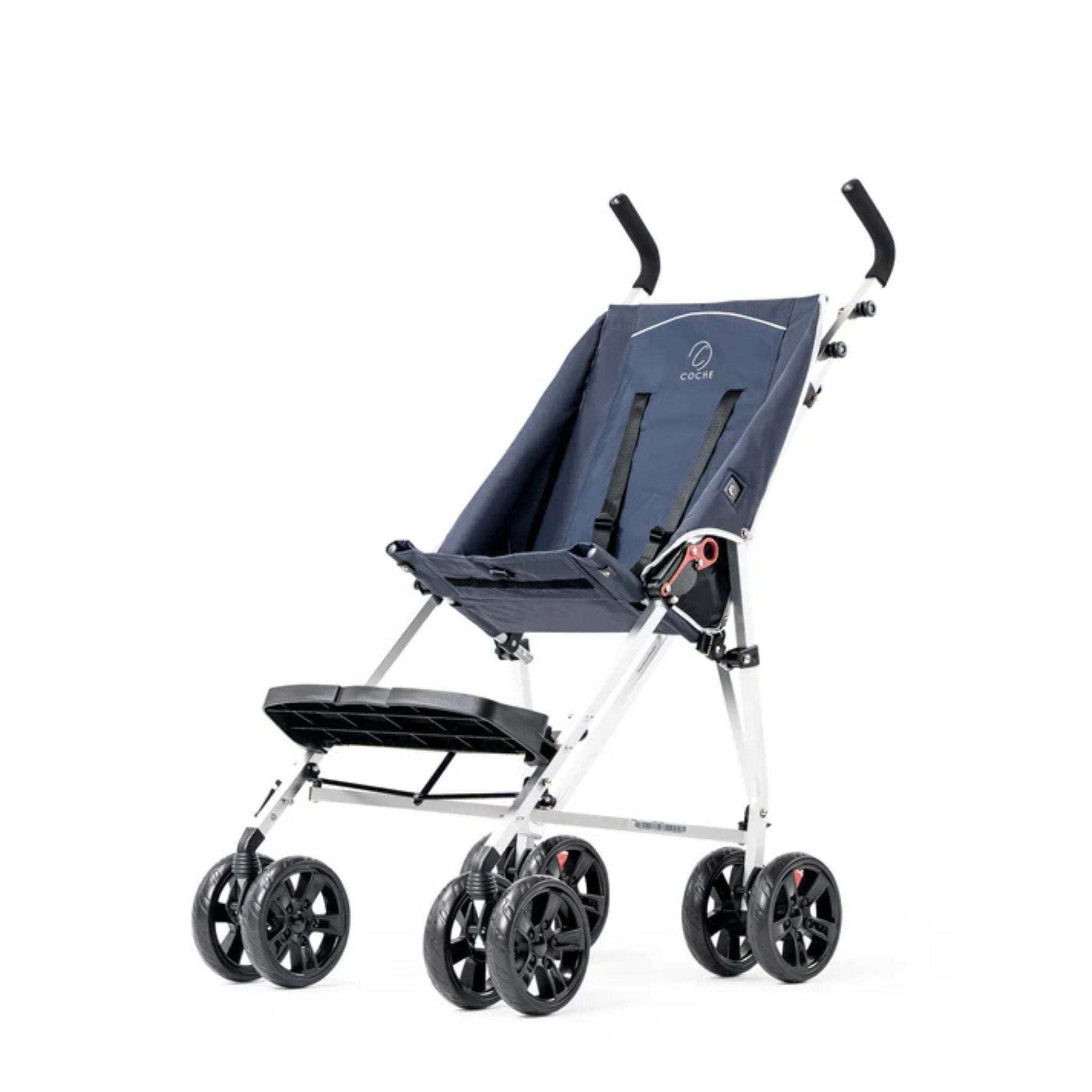
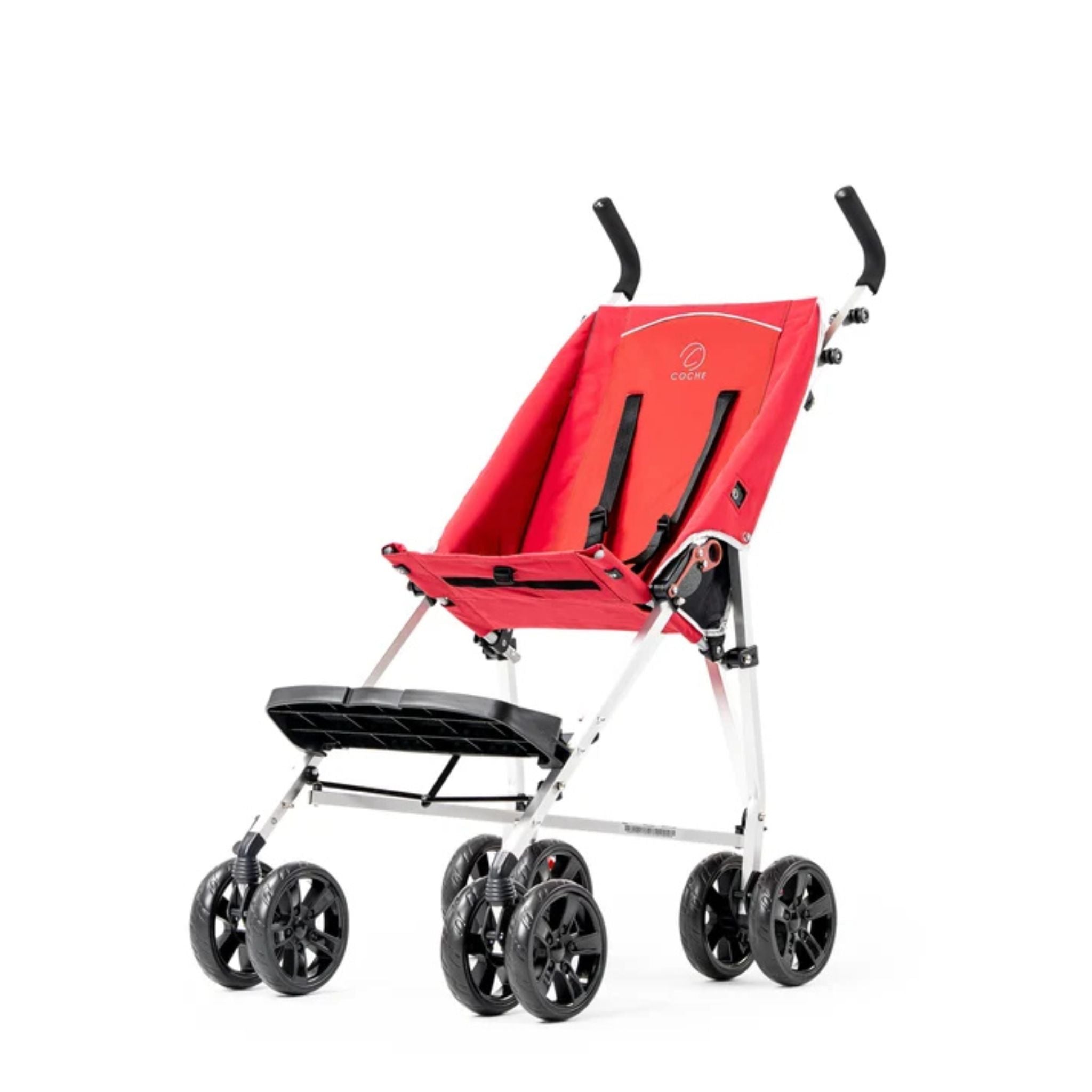
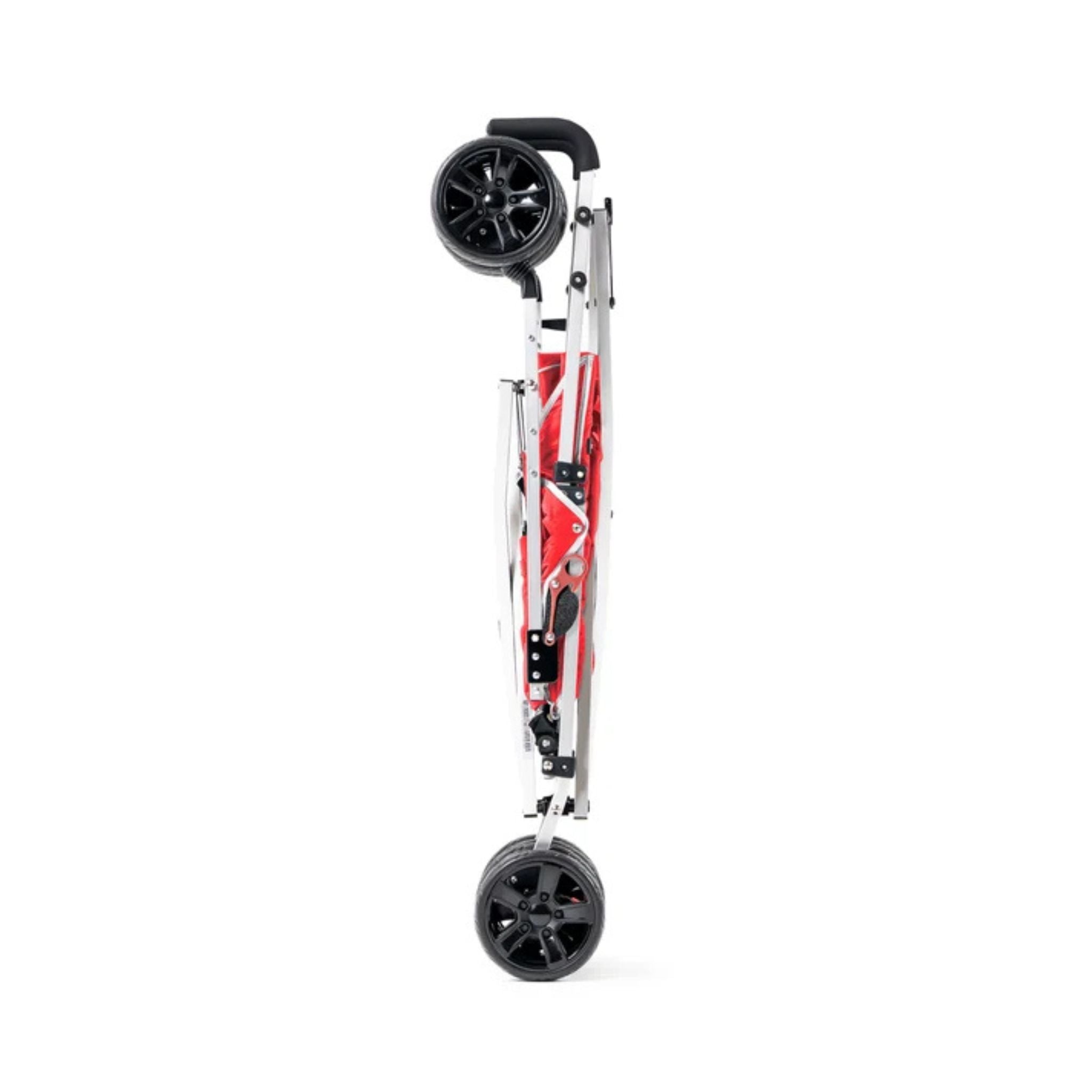
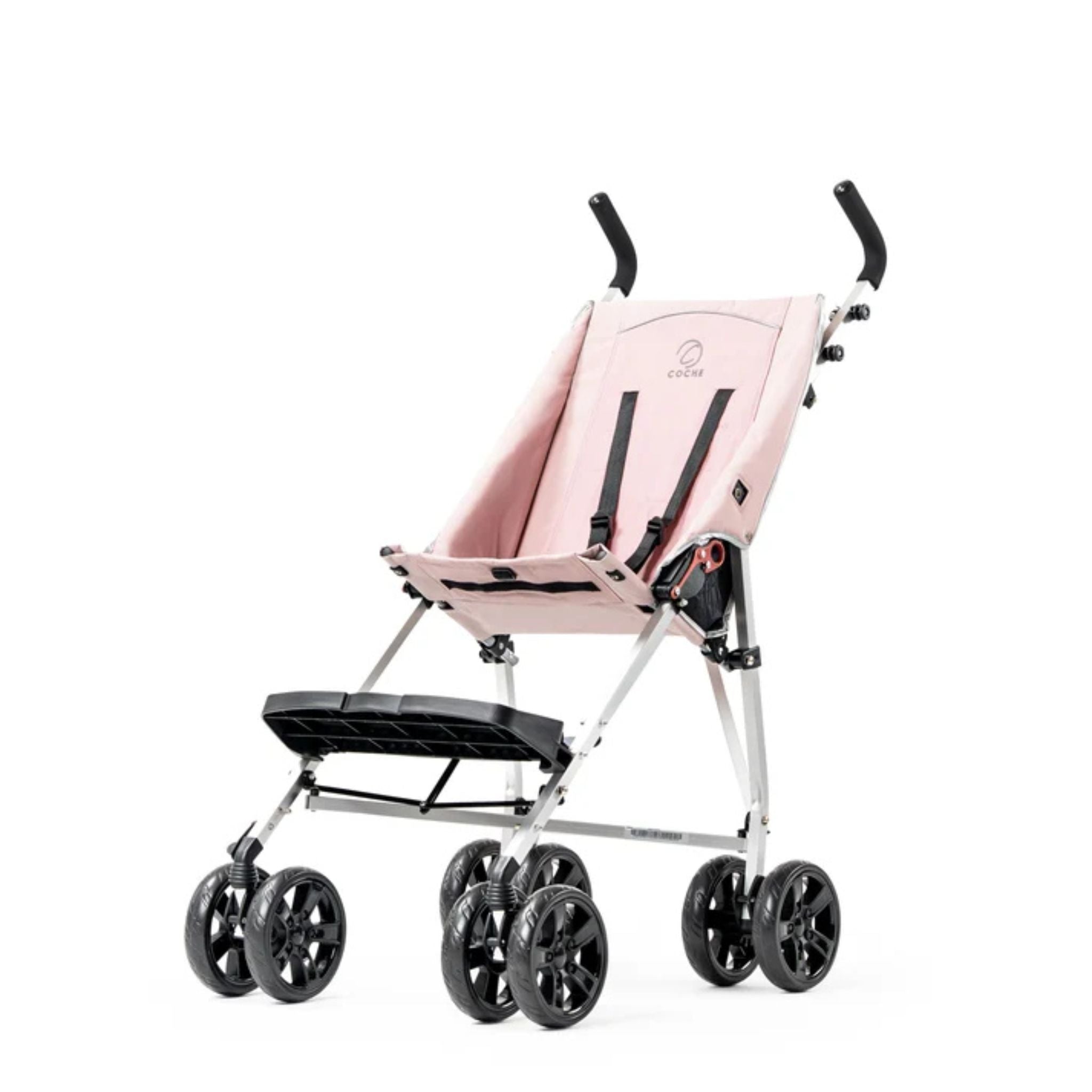
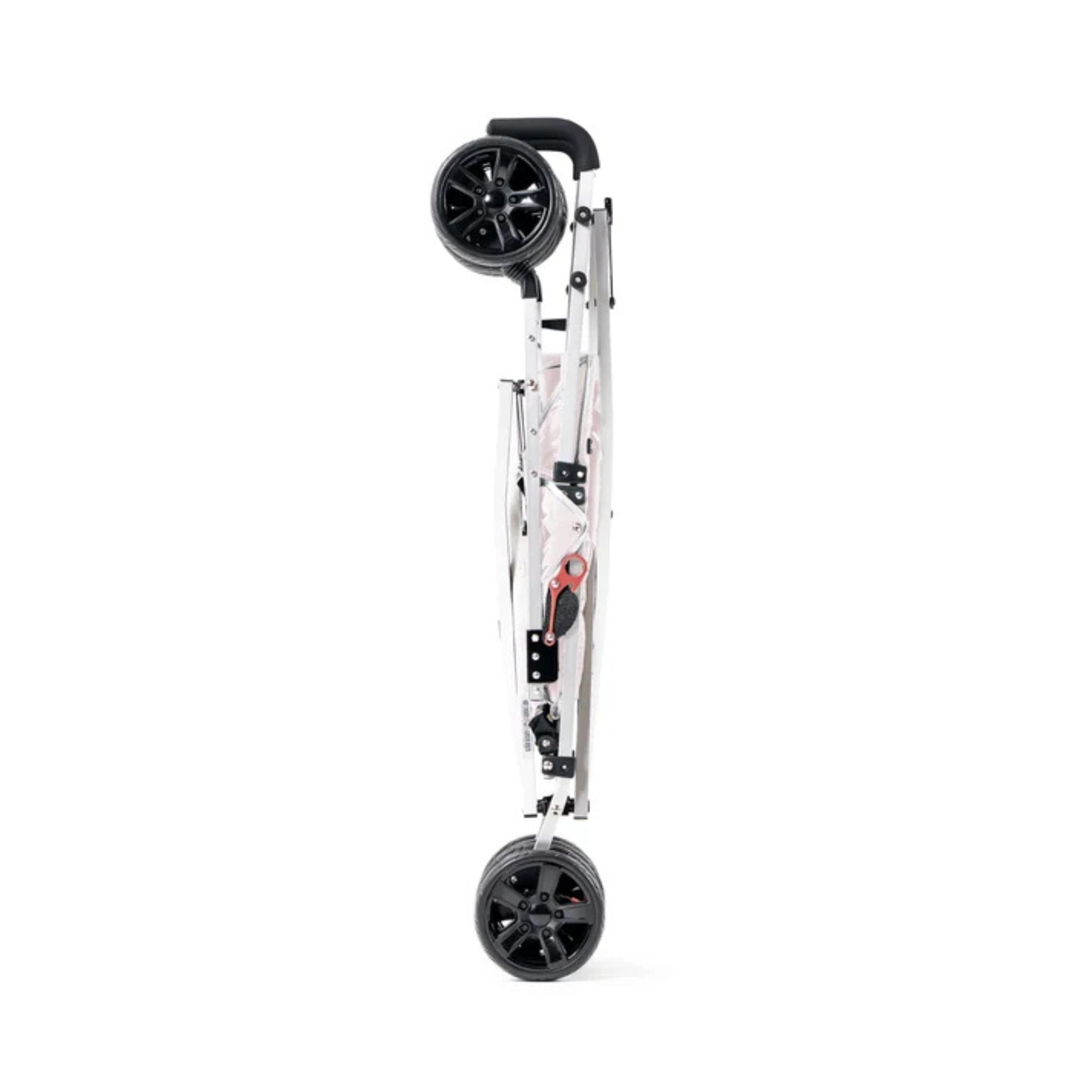
| Coche XL | Older children and teens up to 110 lb who sit upright with a harness; everyday home, school, and community use | 110.2 lb (50 kg) | 15.2 lb | Umbrella fold to 11.8 in wide; solid puncture-free tires |
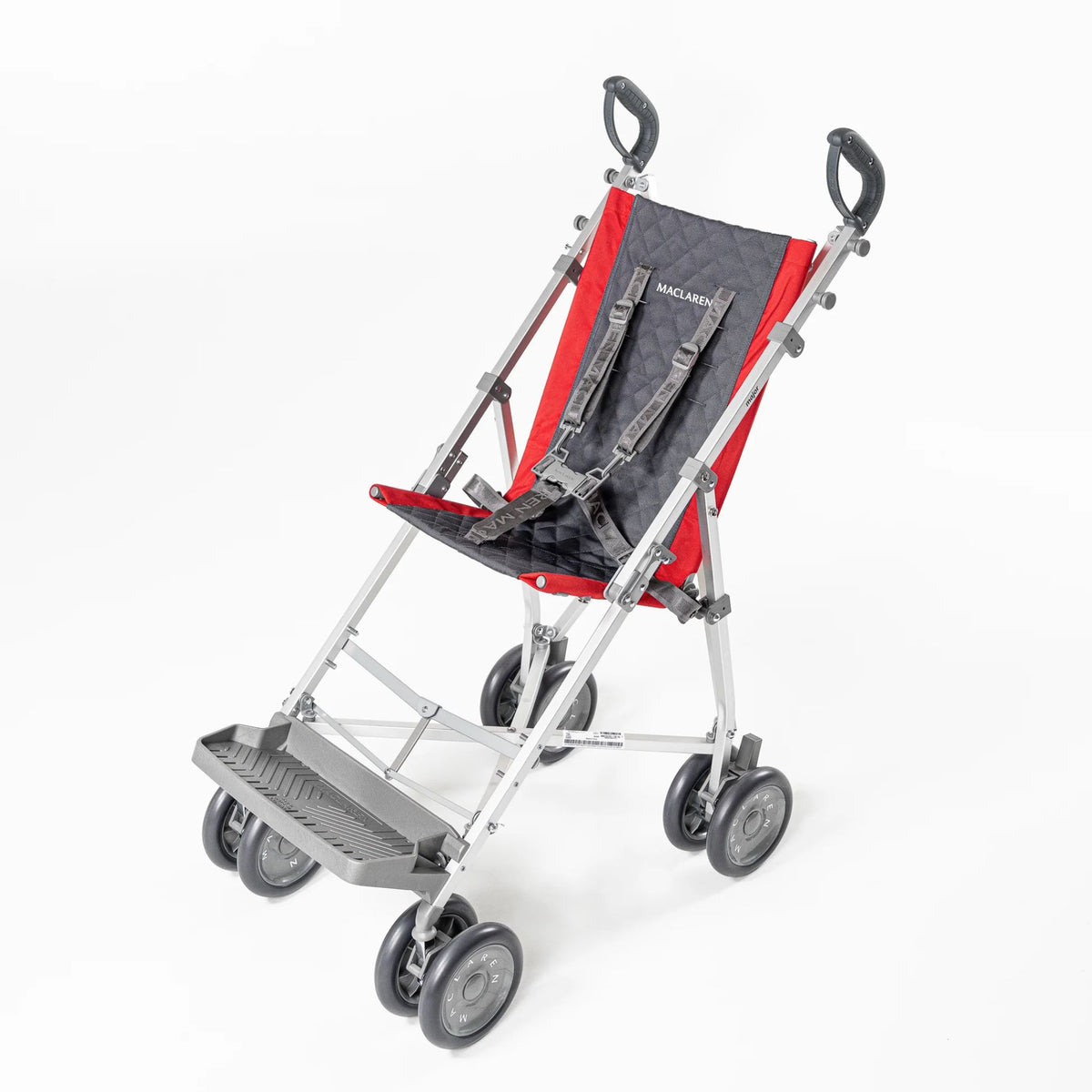
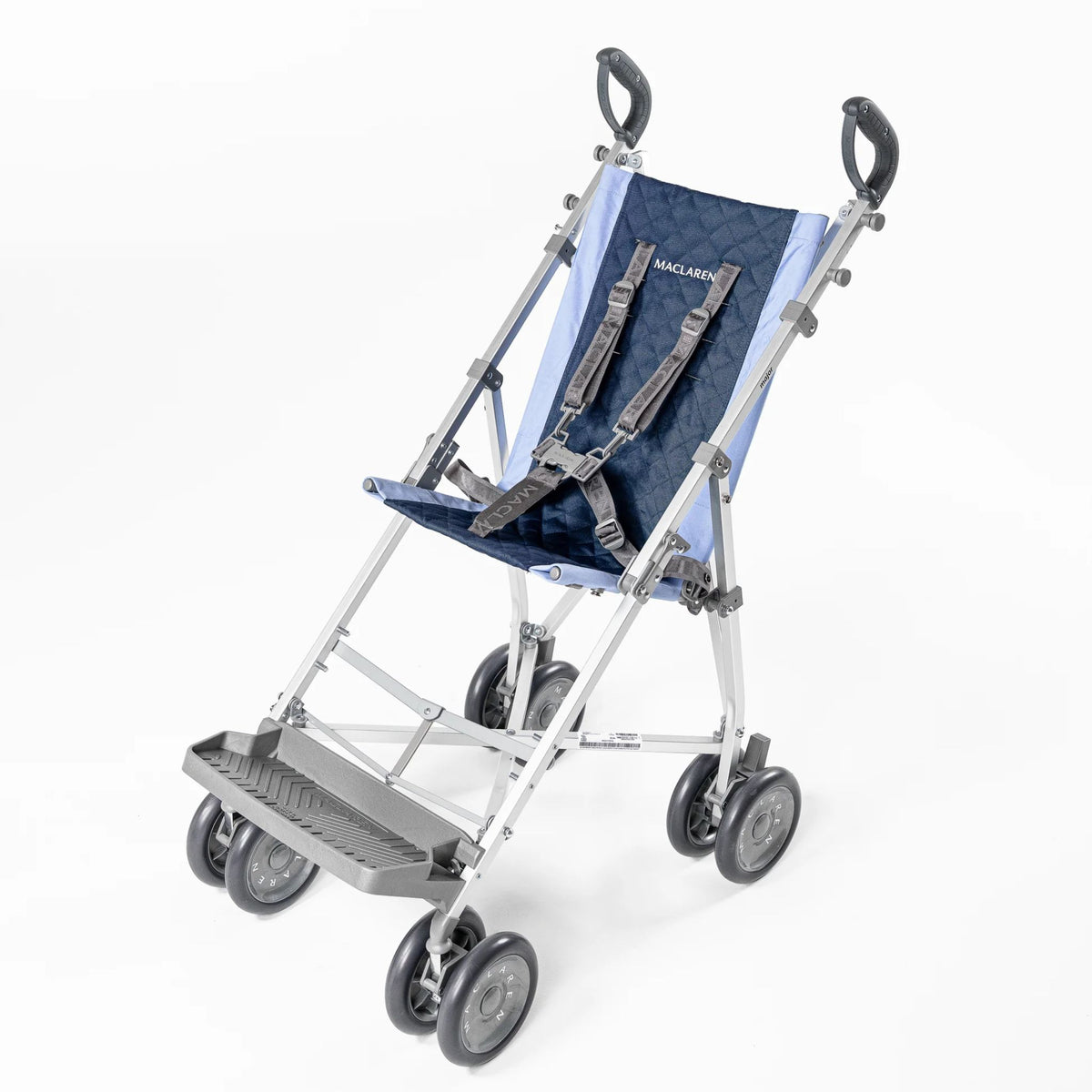
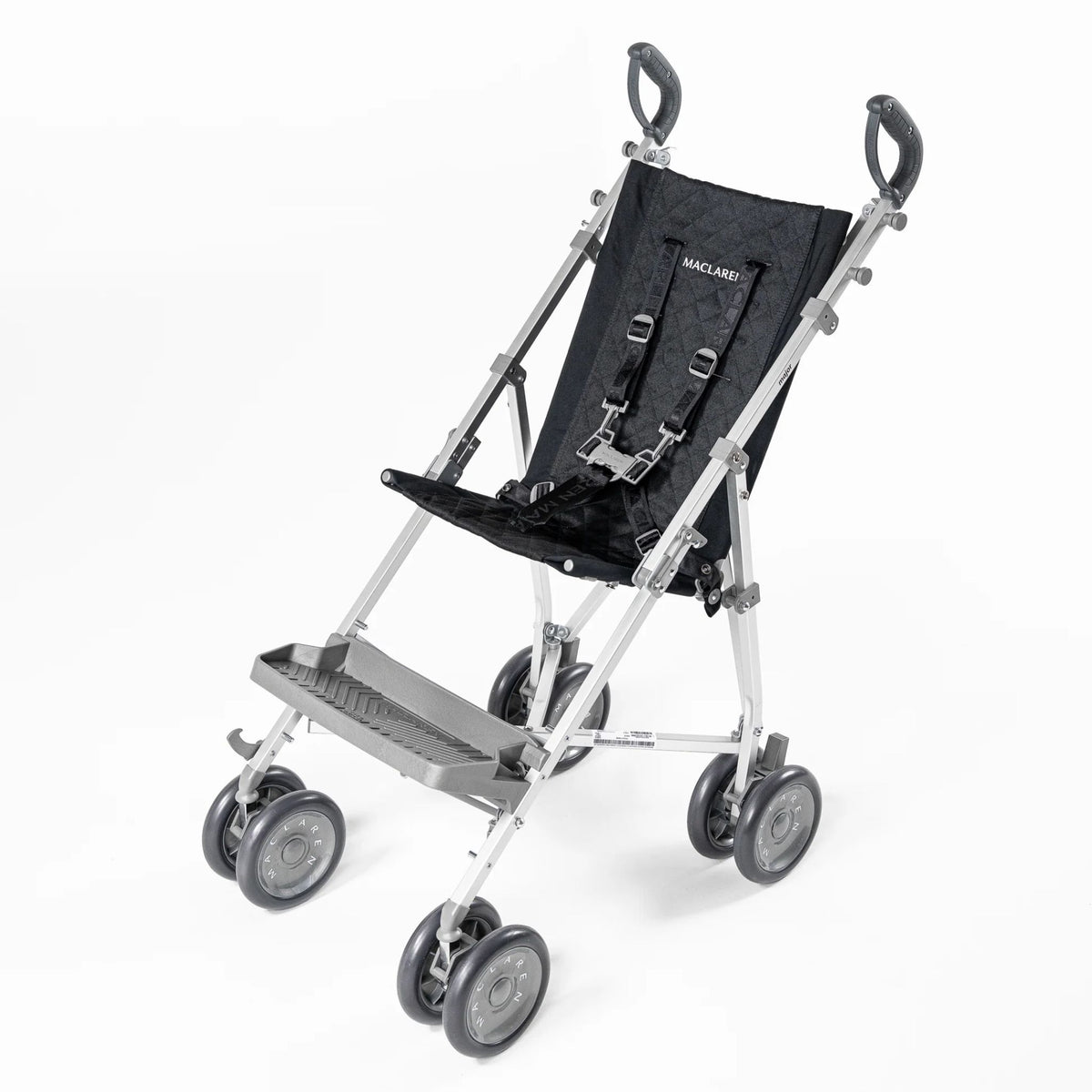
| Maclaren Major Elite | Children who sit upright with harness support; families who travel or use public transit | 110 lb (50 kg) | 15.2 lb | One-motion umbrella fold; looks like an everyday stroller |
| Strive | Children who need trunk, head, and lower-body support; growing children | 75 to 250 lb, by size | 33 to 36 lb, by size | Tension-adjustable back, padded side supports, seat depth that extends about 4 in |
| Strive EZ | Everything the Strive does, plus caregivers who want the easiest push | 75 to 250 lb, by size | 33 to 36 lb, by size | One-piece push handle that adjusts for height and angle; soft rubber tires |
Lightweight Umbrella-Fold Strollers for Big Kids

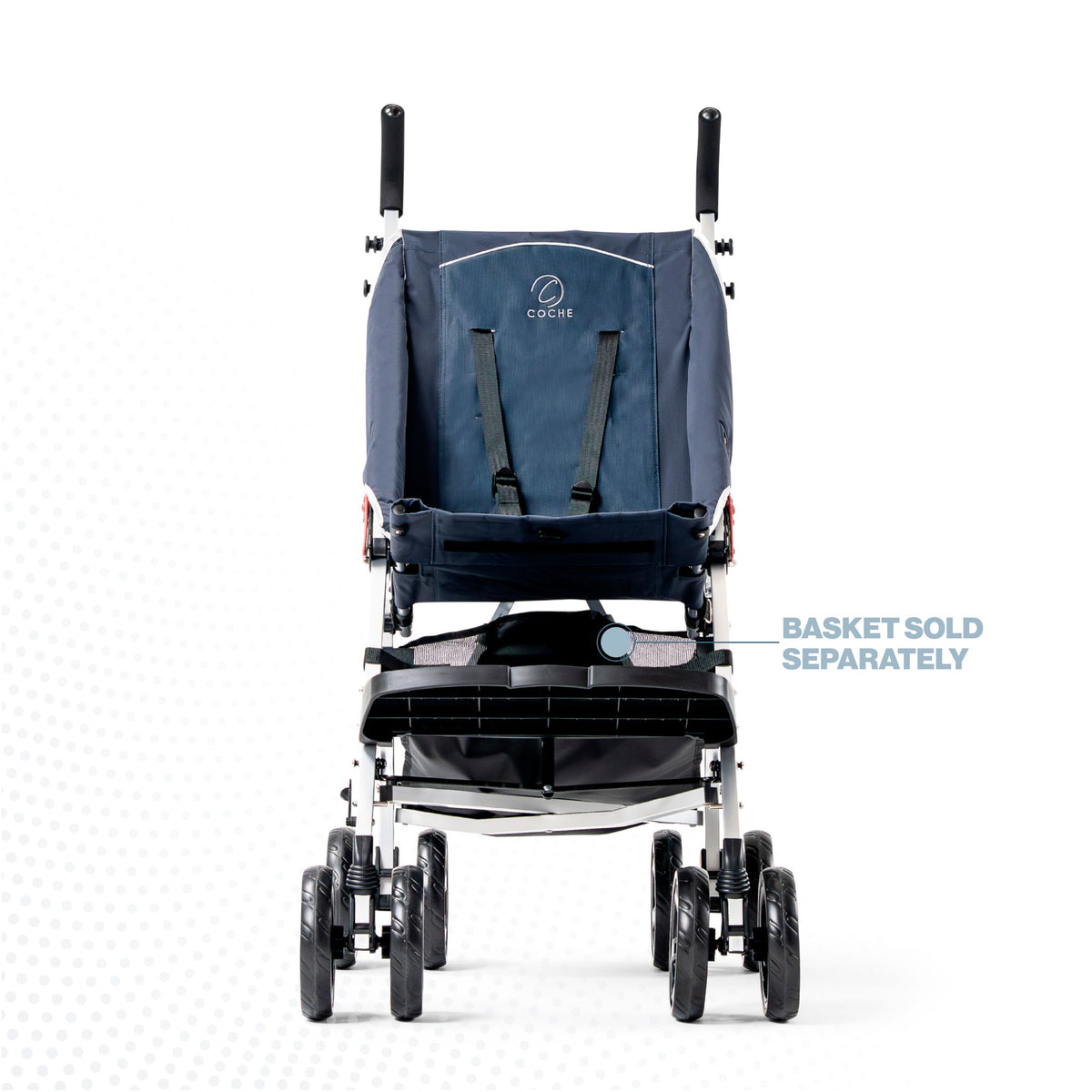
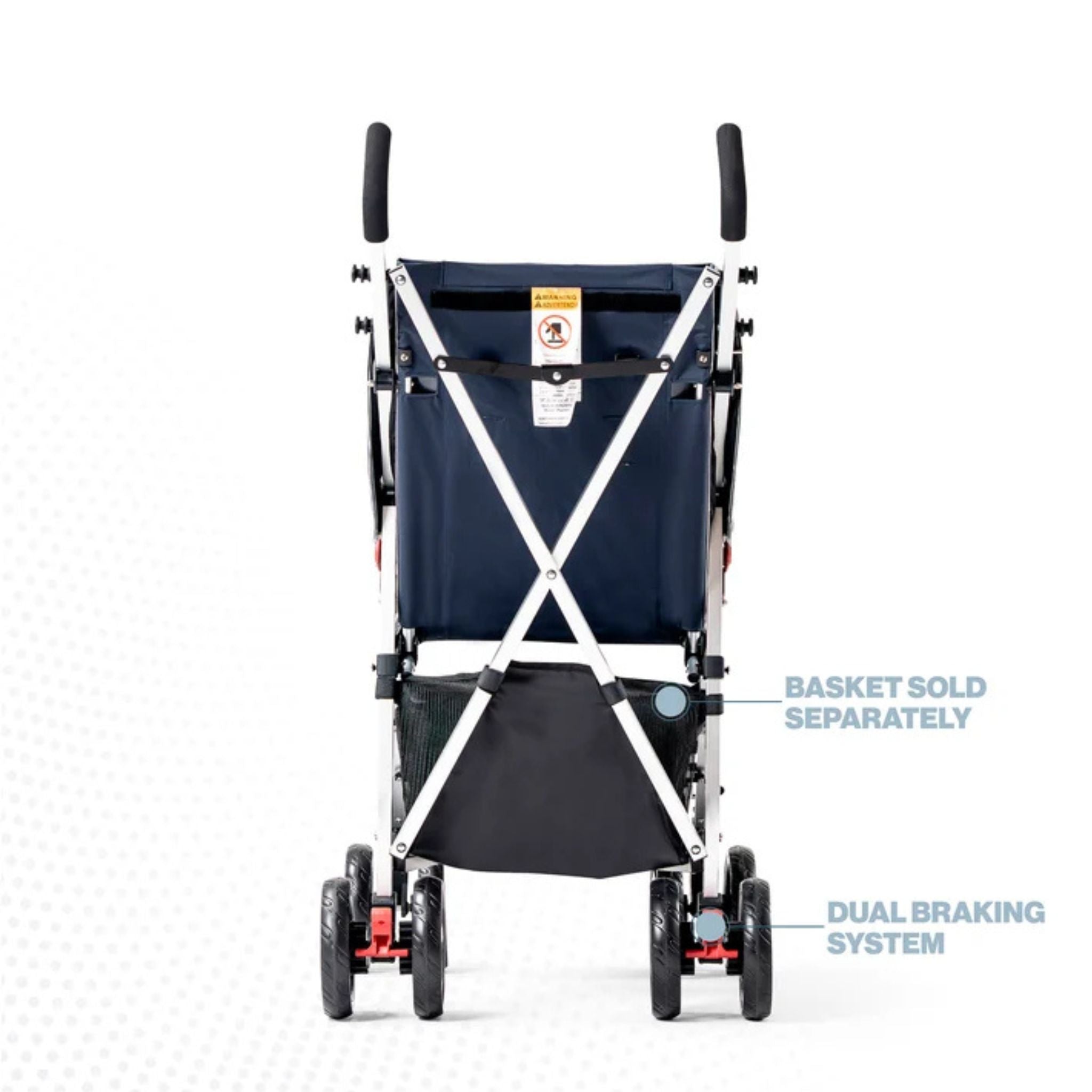
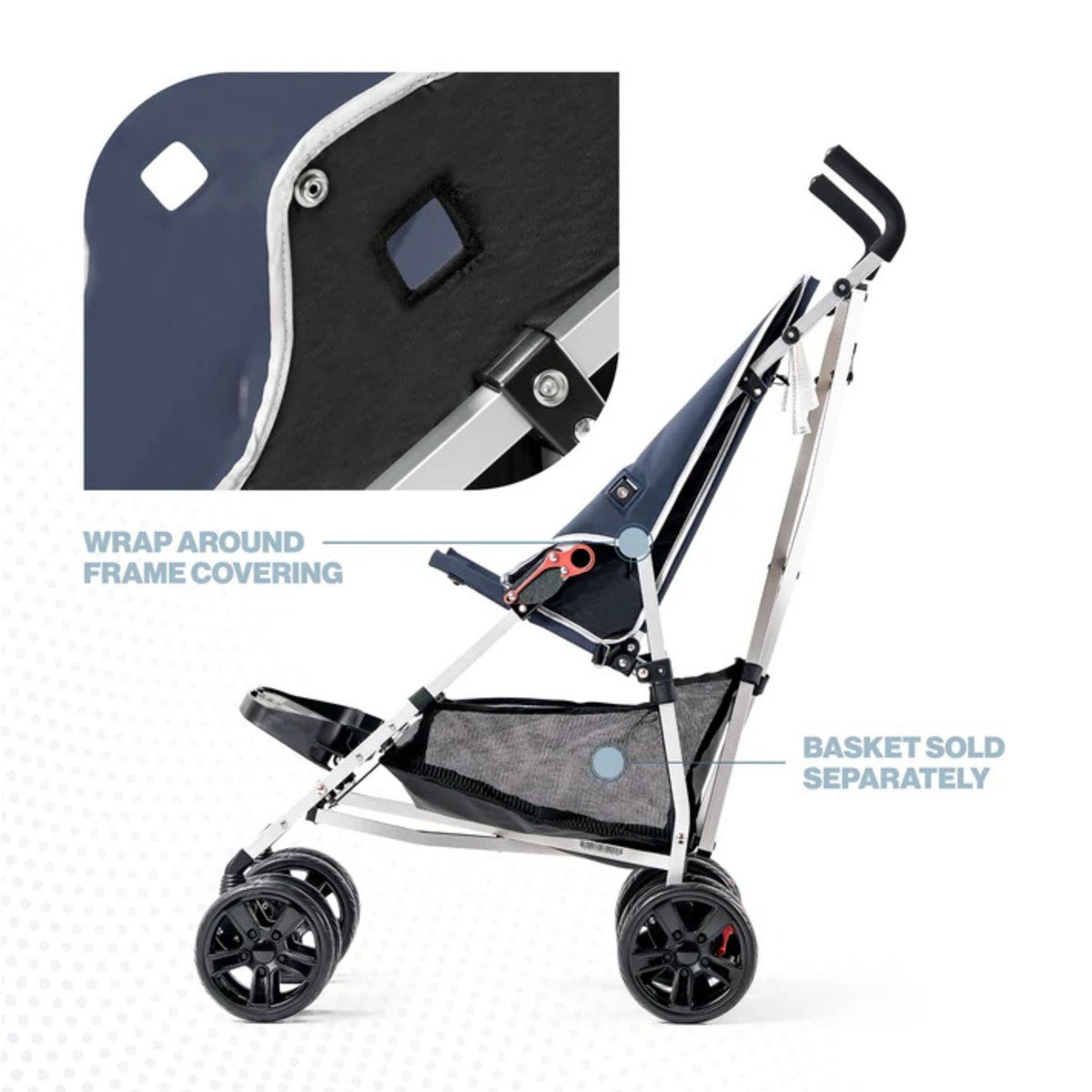
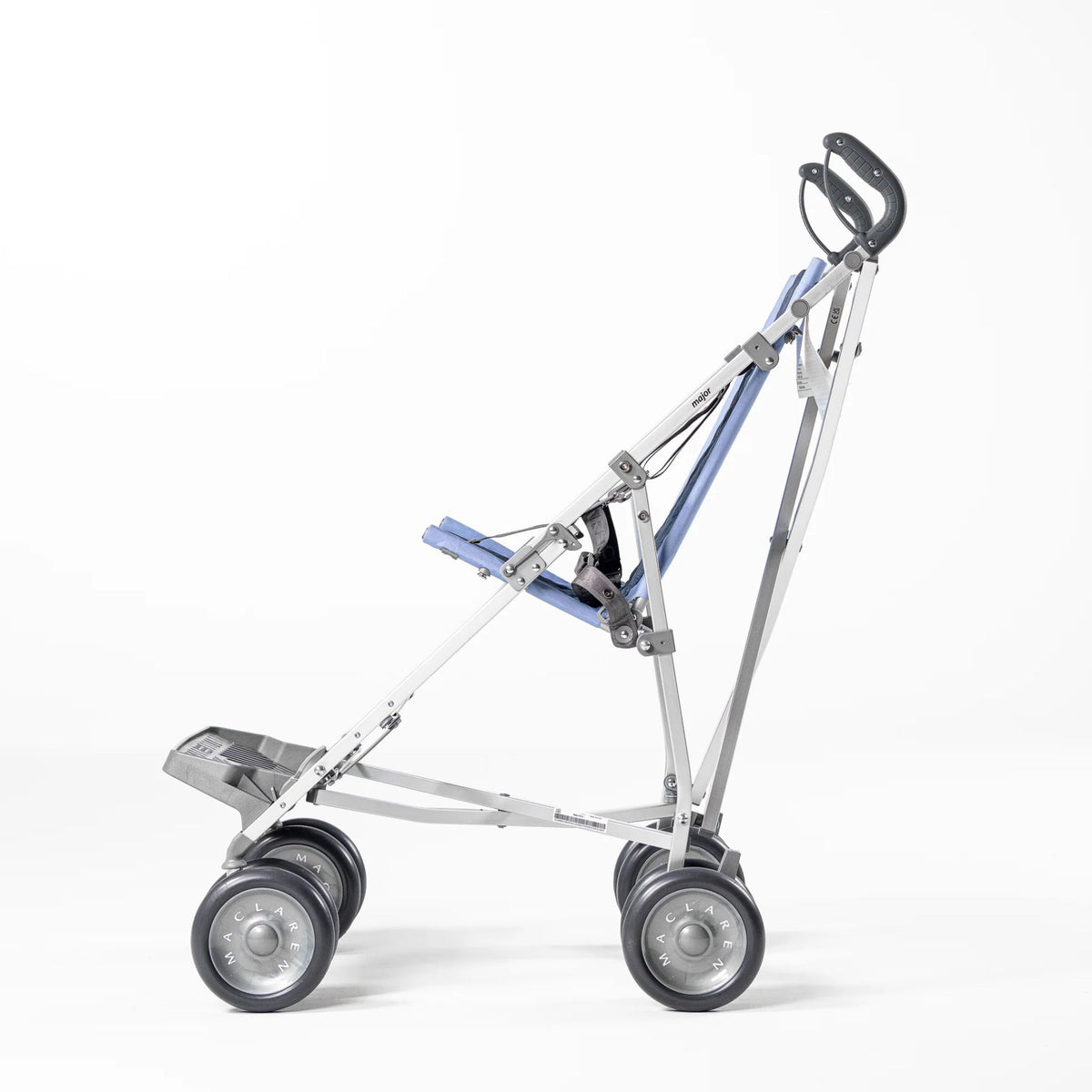
A lightweight special needs stroller is often the right first step for a child who sits well with a harness. The Coche XL and Maclaren Major Elite share the same seat size (15.7 in wide, 10.6 in deep, with a 22 in back), the same 110 lb capacity, and the same 15.2 lb stroller weight. Both fit children up to about 48 in tall, and both fold umbrella-style to 46.1 in high and 11.8 in wide, slim enough for most trunks.
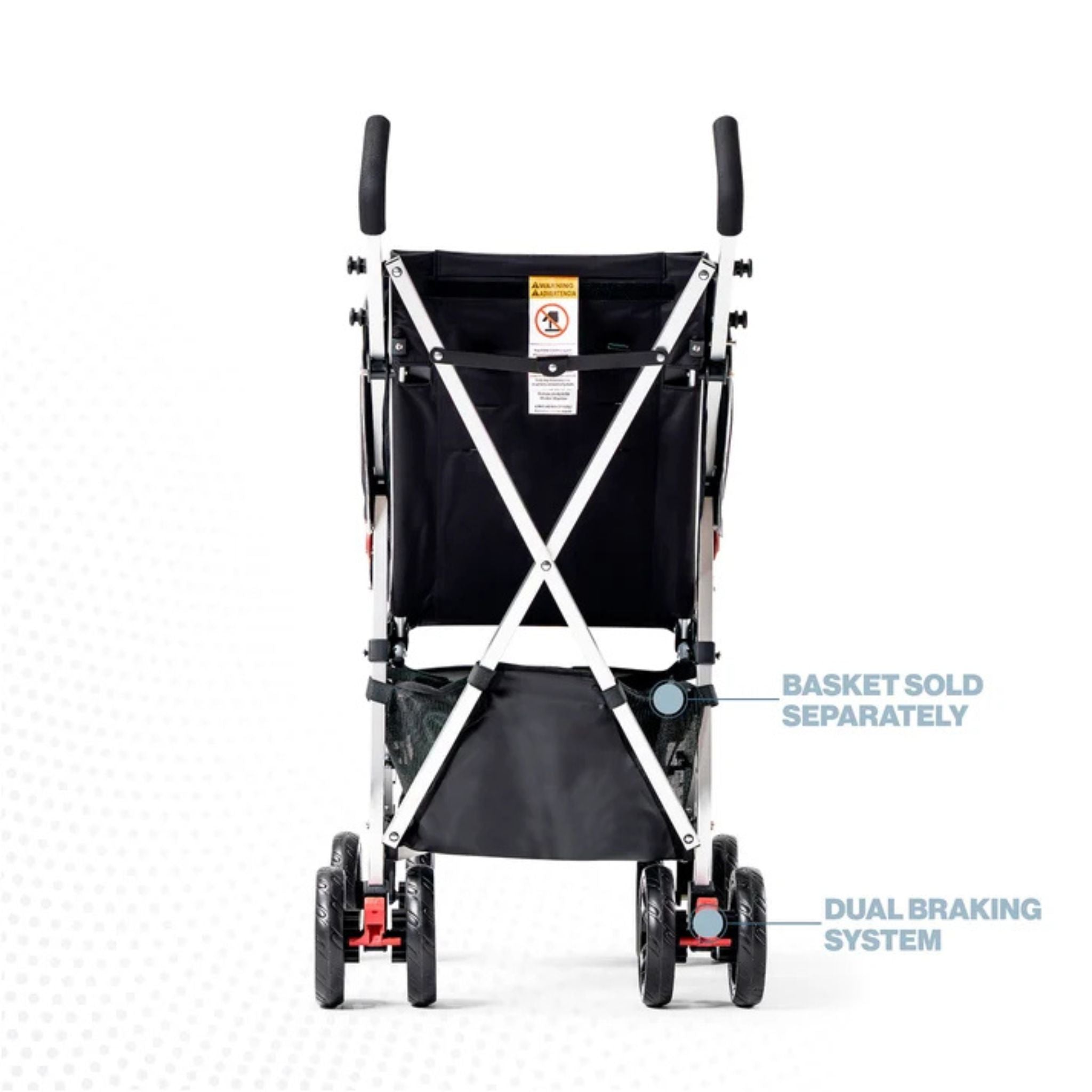
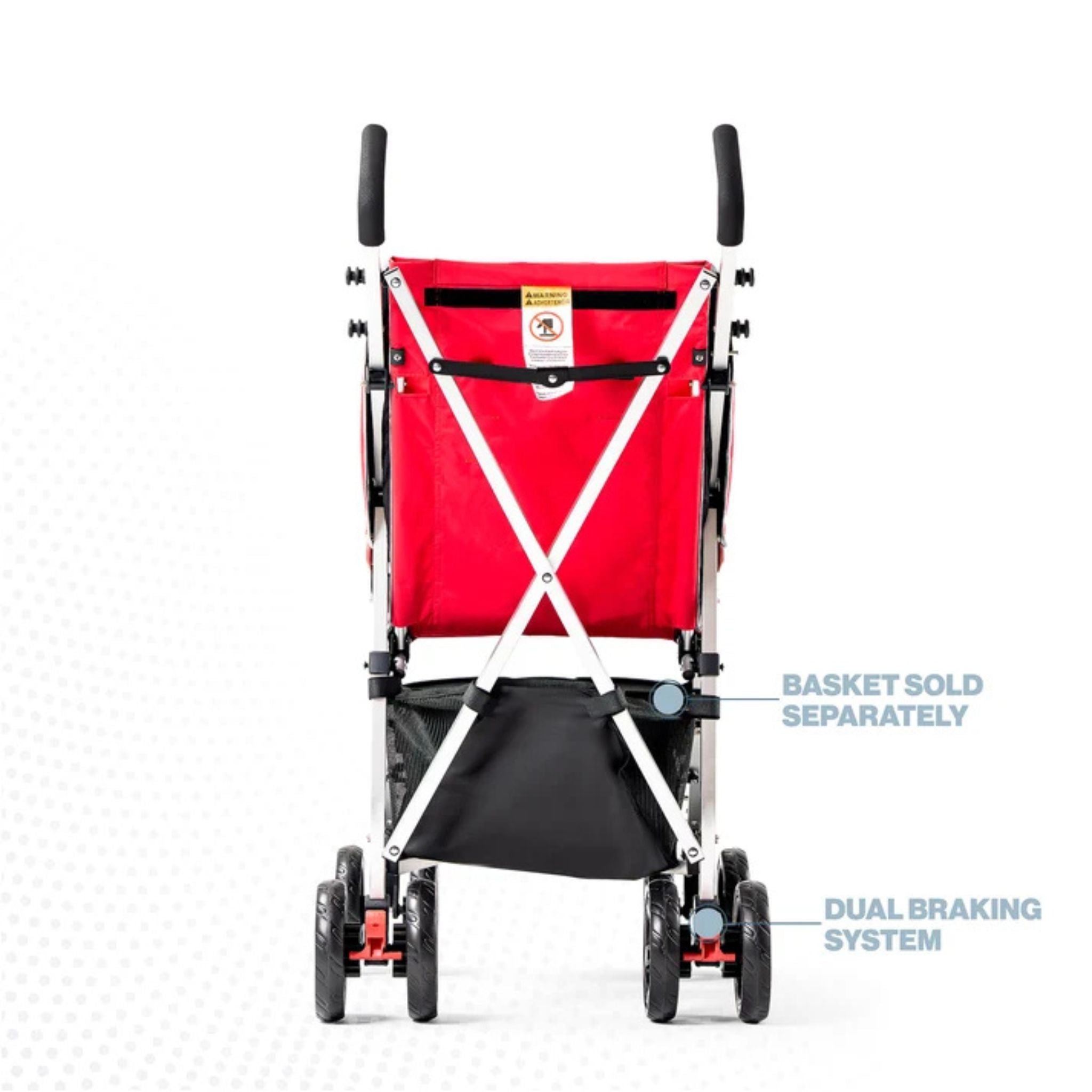
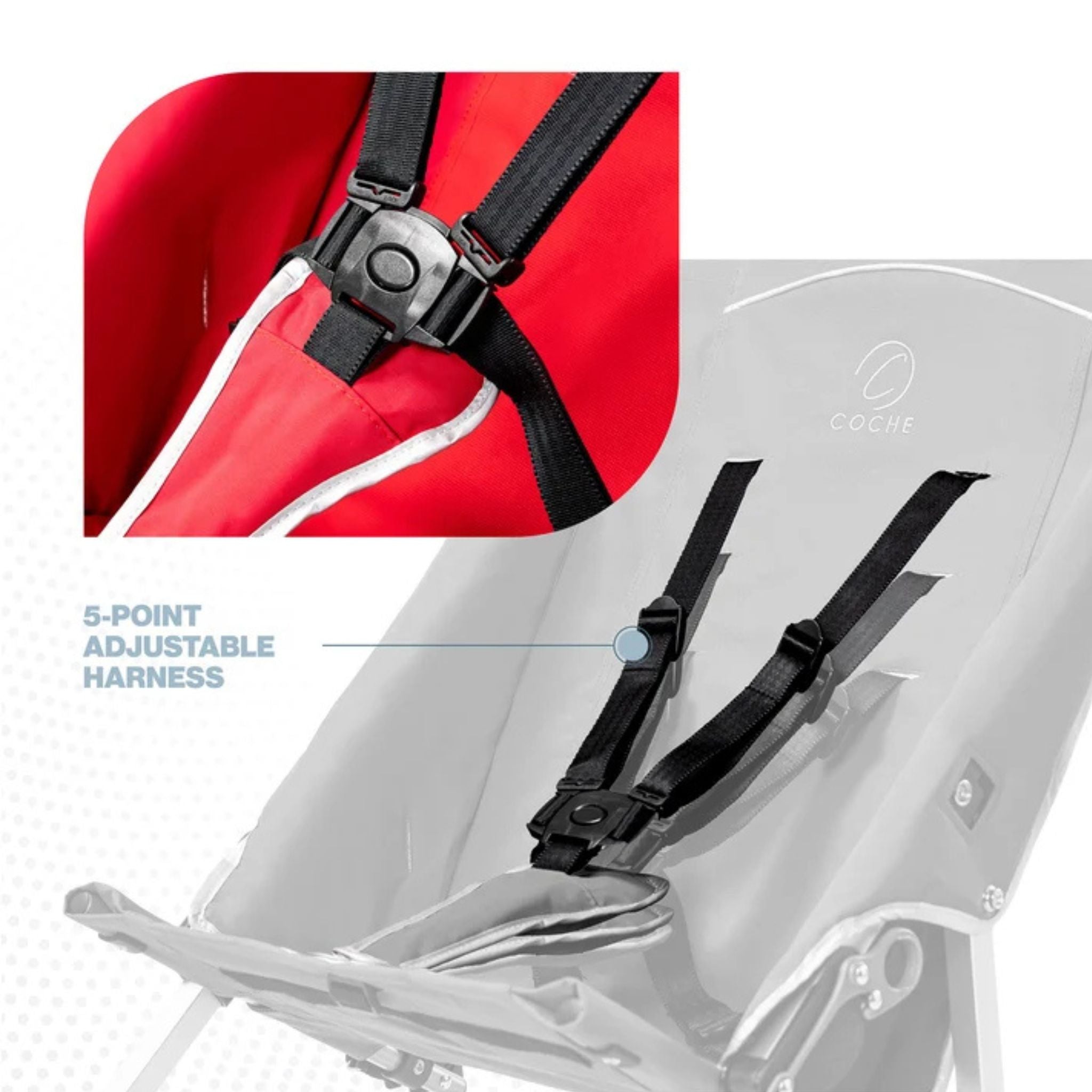
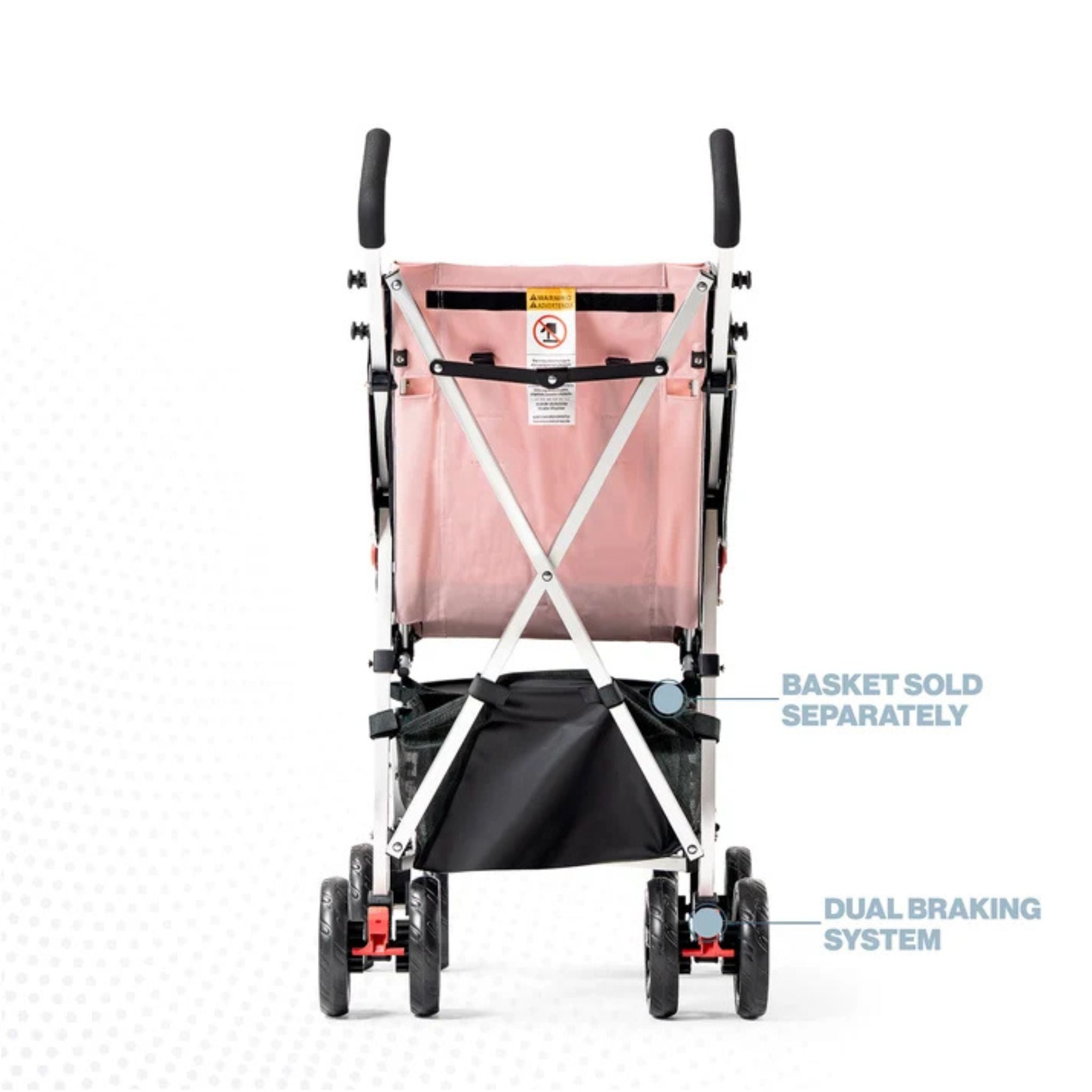
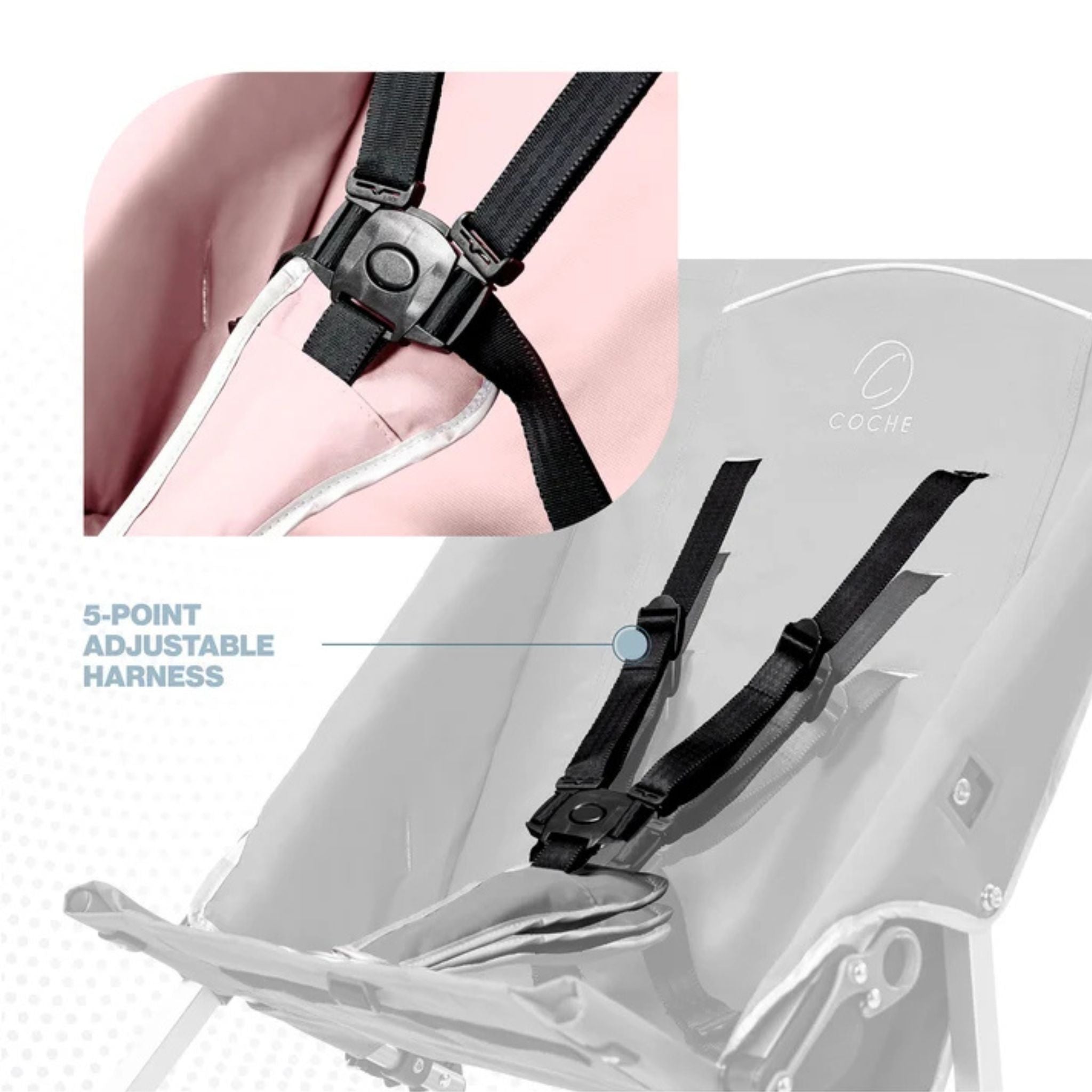
This kind of special needs umbrella stroller works well for families who are always on the move between car, school, and therapy. Each has a 5-point harness, a footplate with three height positions, swivel front wheels, and solid tires that won't go flat. The Maclaren Major Elite is often described as the special needs stroller that doesn't look like one, which matters to many families who want an everyday look rather than medical equipment. It's at its best on smooth surfaces, since solid tires and no suspension mean curbs and rough ground should be taken slowly.
The honest limitation: these are fixed-seat strollers with no recline or tilt. The Maclaren offers lateral supports and chest pads as add-ons, but either one is a great fit for a child who sits upright with a harness, not a replacement for a positioning seat. Take a look at the Coche XL Lightweight Special Needs Stroller & Transport Chair, which also comes in Blue, Red, and Pink, and the Maclaren Major Elite Special Needs Stroller, available in Black, Cardinal Red, and Soft Blue/Navy.
Positioning Adaptive Strollers That Grow With Your Child

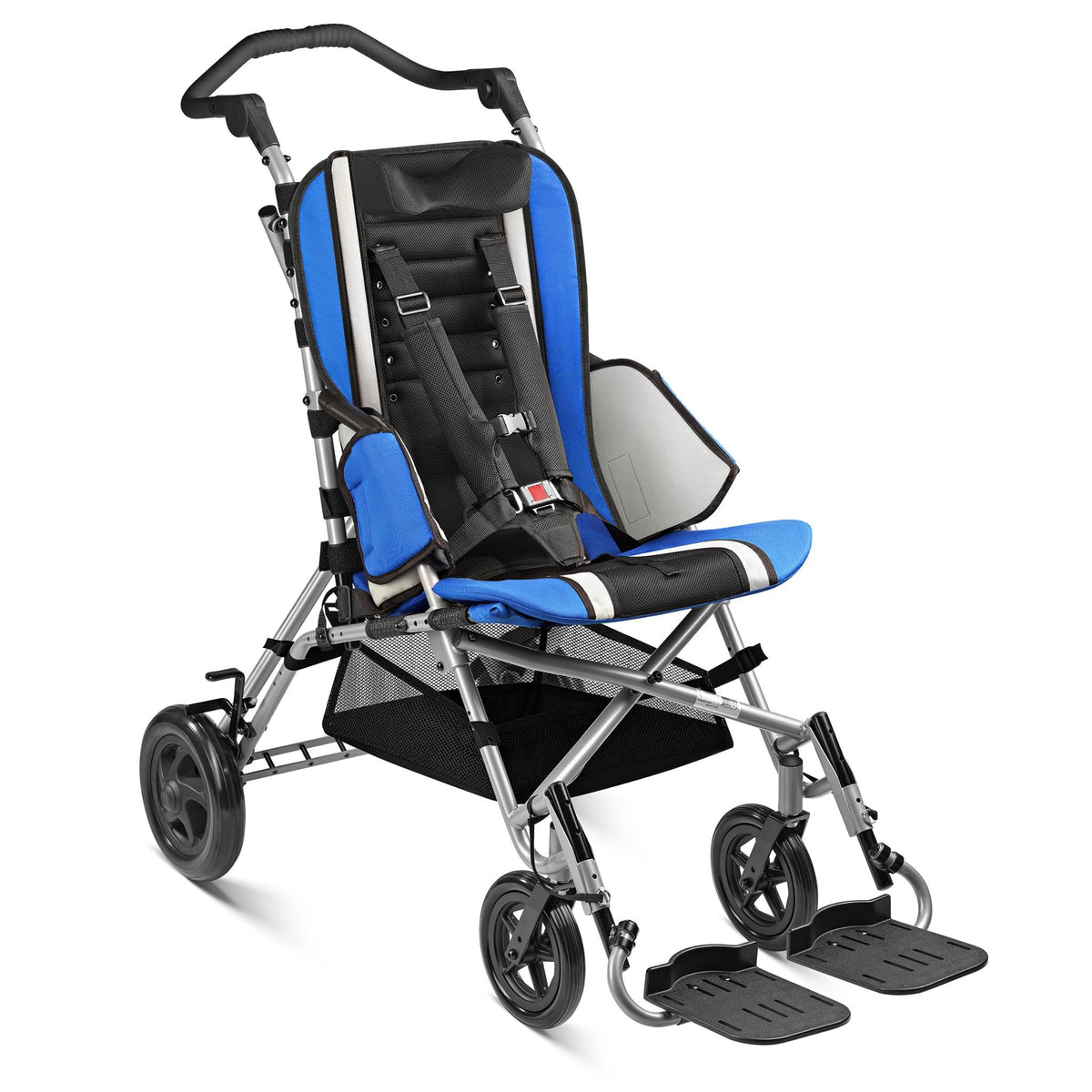
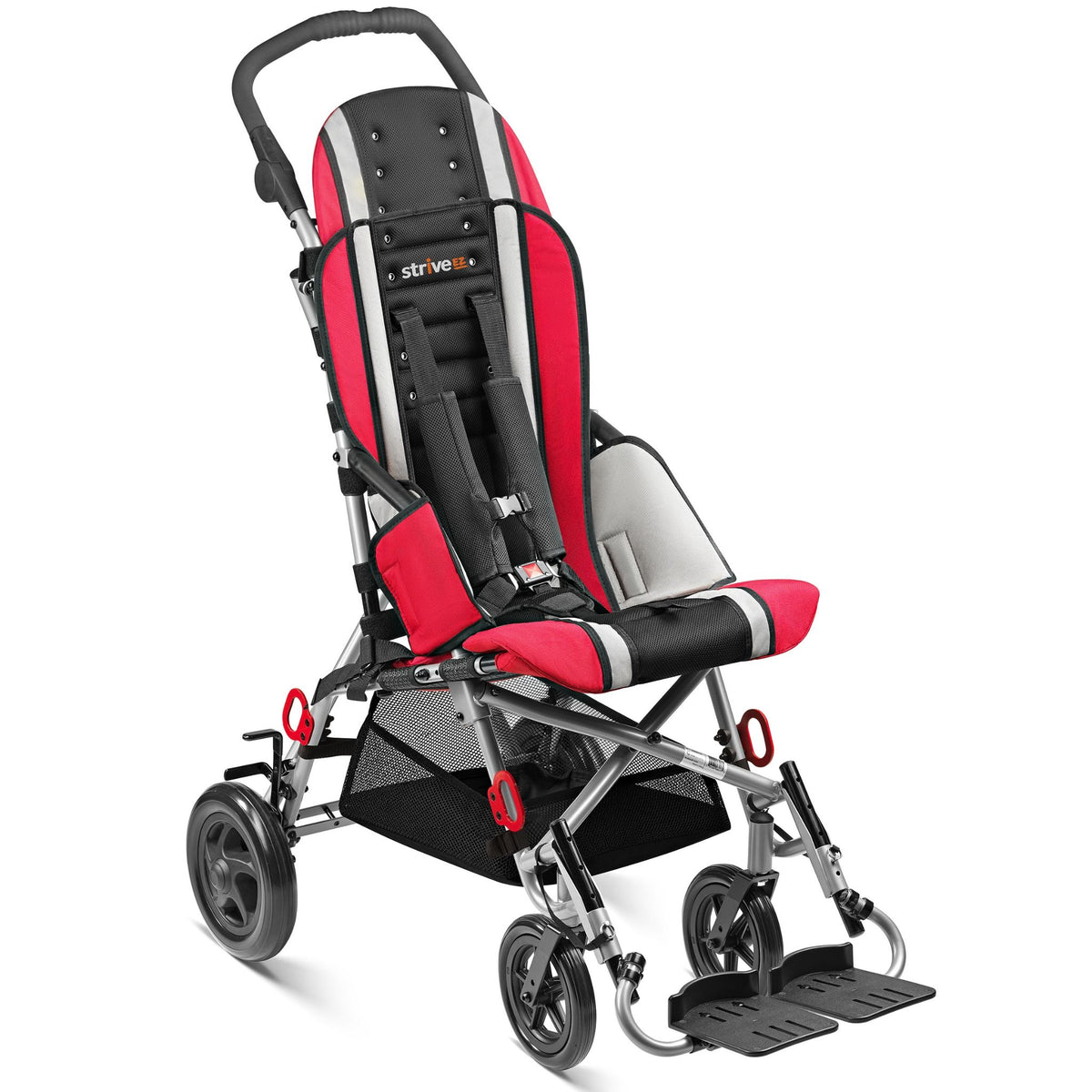
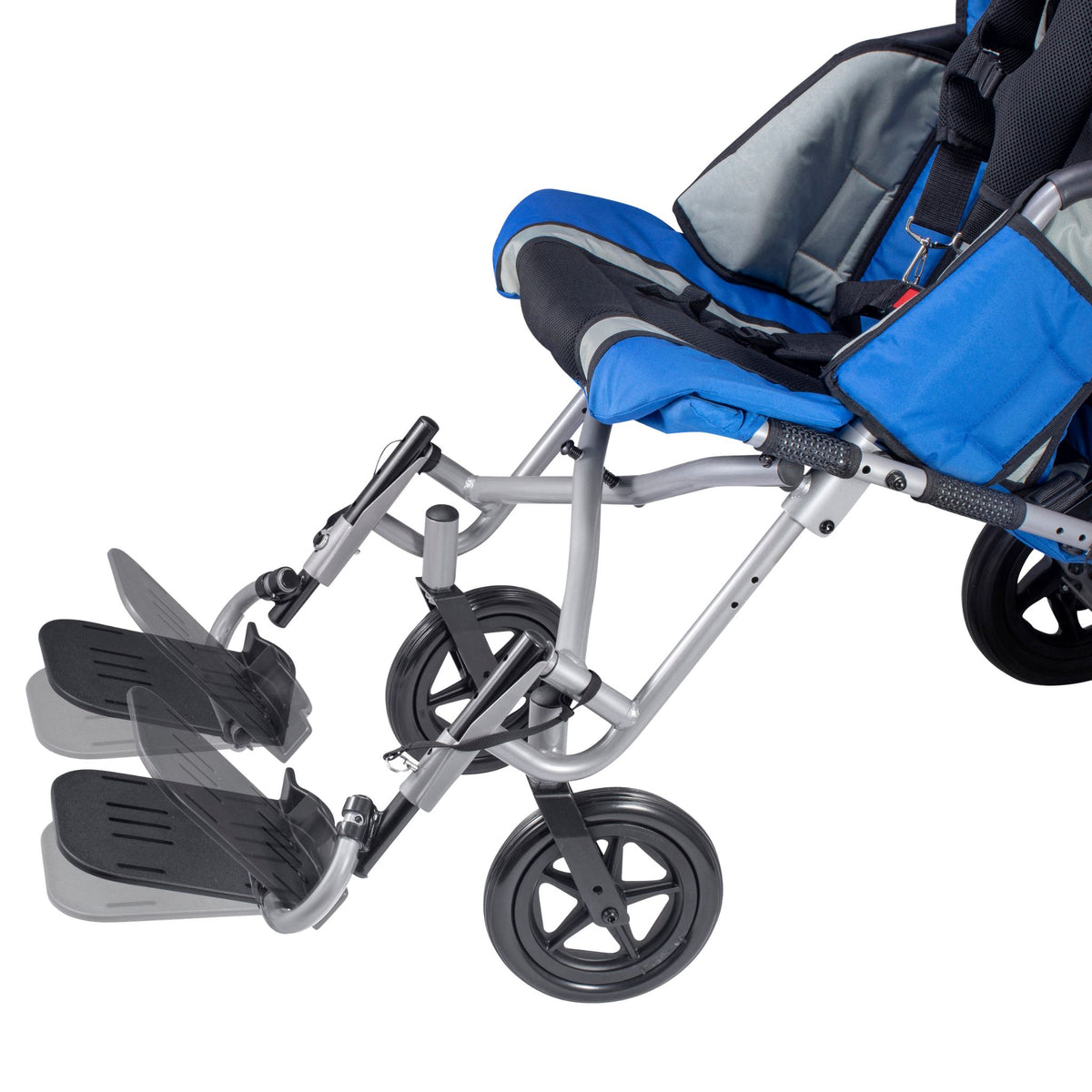
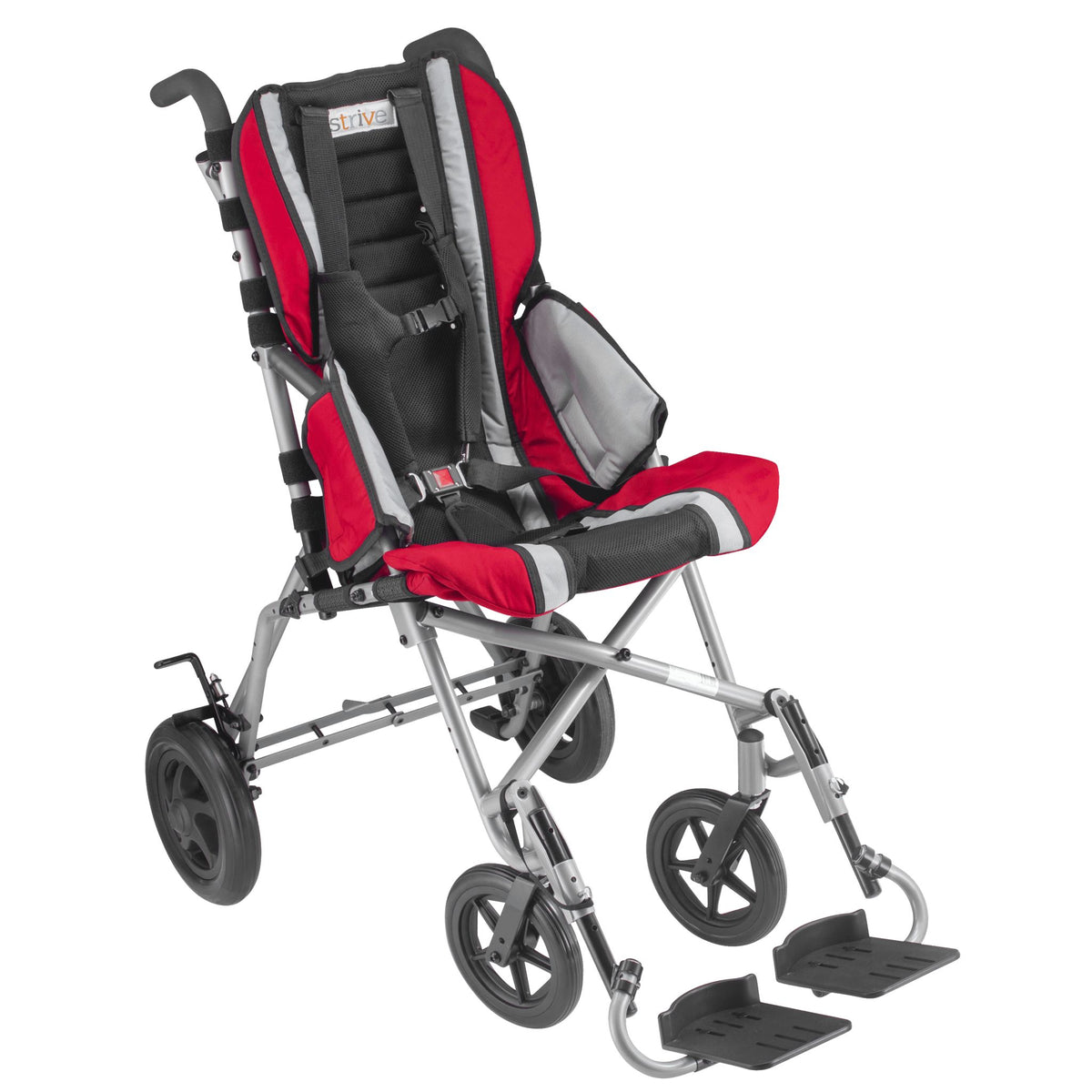
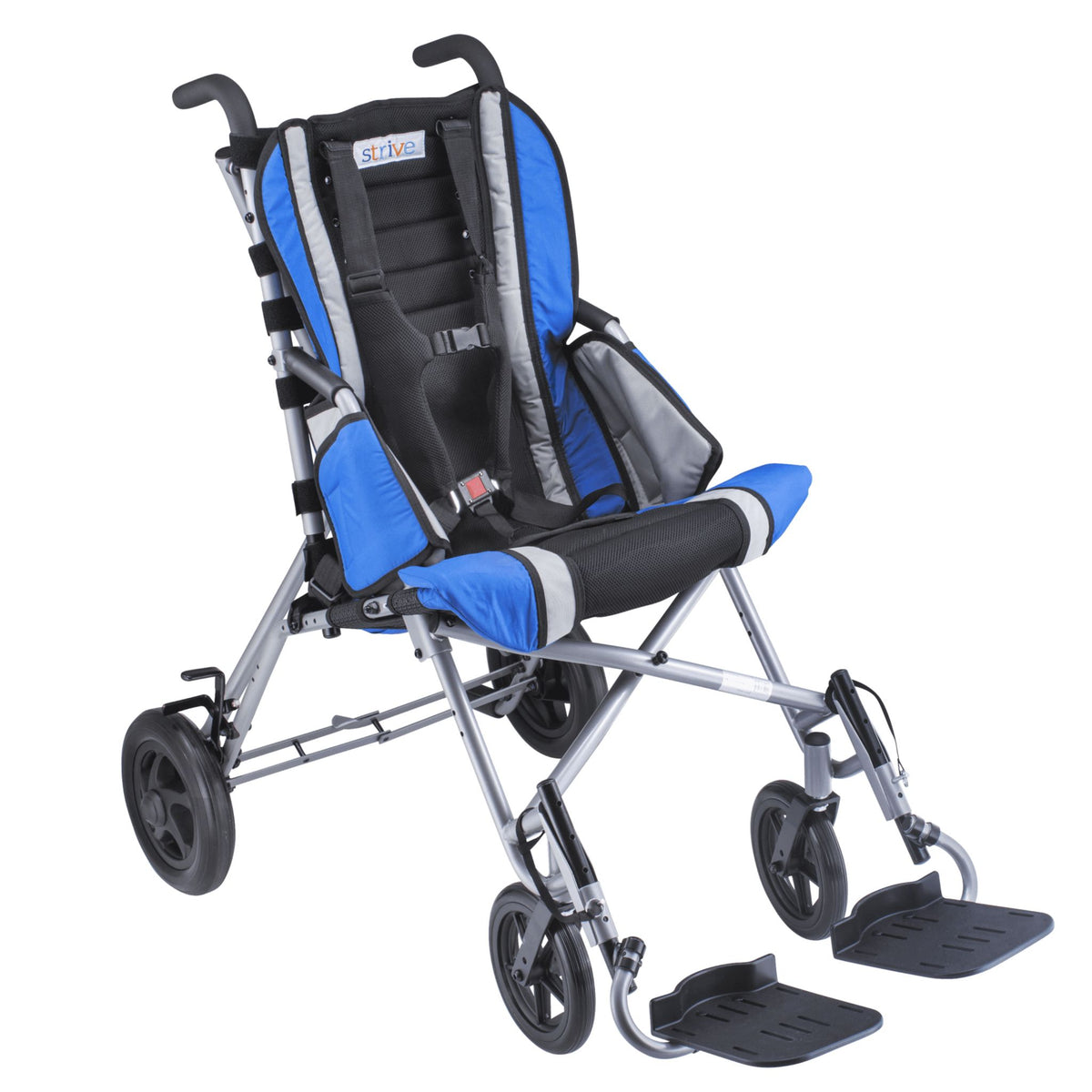
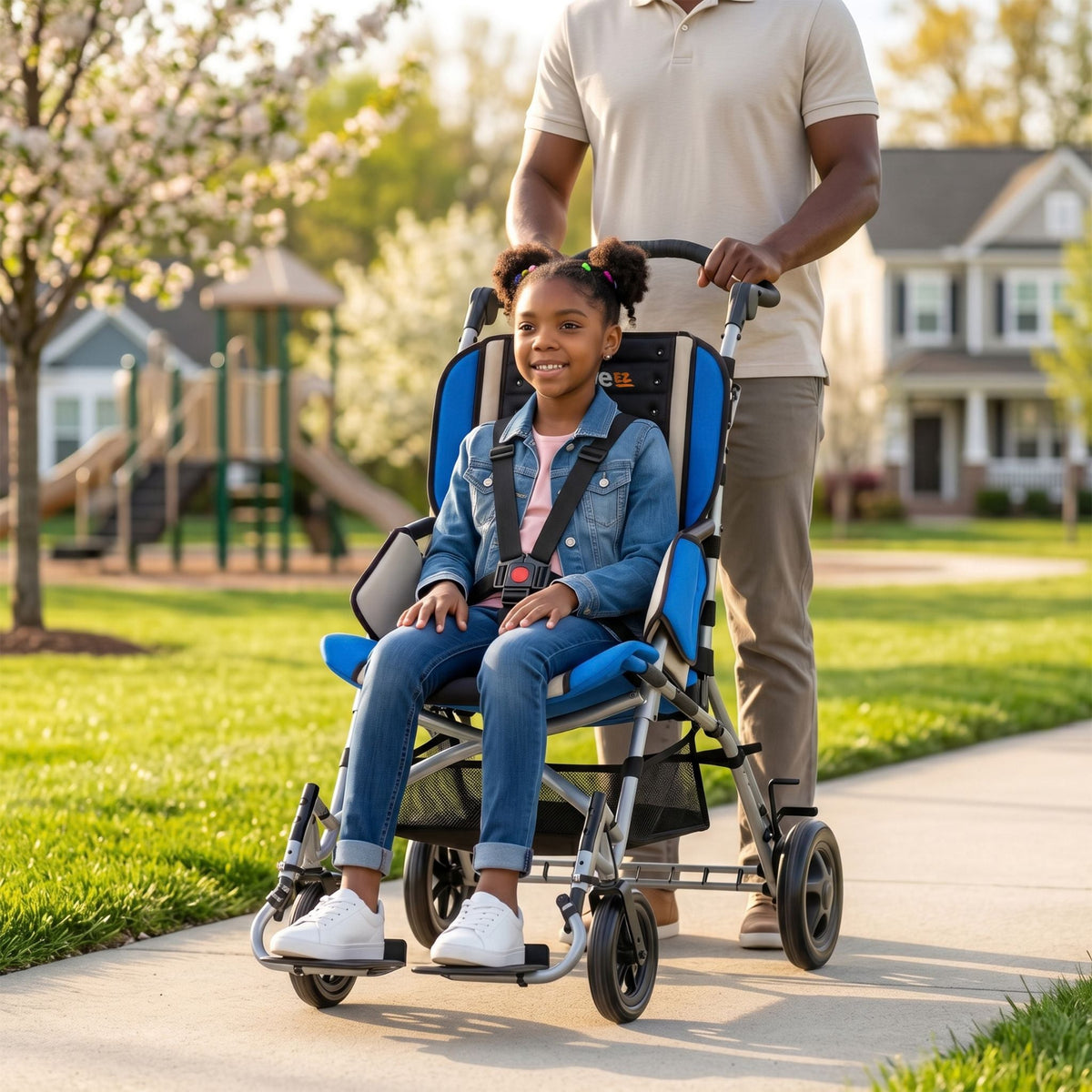
When a child needs more support to sit comfortably upright, the Circle Specialty Strive family is built for that. The back uses tension-adjustable straps so it can be shaped to your child, and a 5-point harness with a pelvic belt and padded side supports helps hold them in a good, steady position. The seat-to-back angle adjusts from 80 to 95 degrees, and the footrest is height-adjustable, swing-away, and removable.
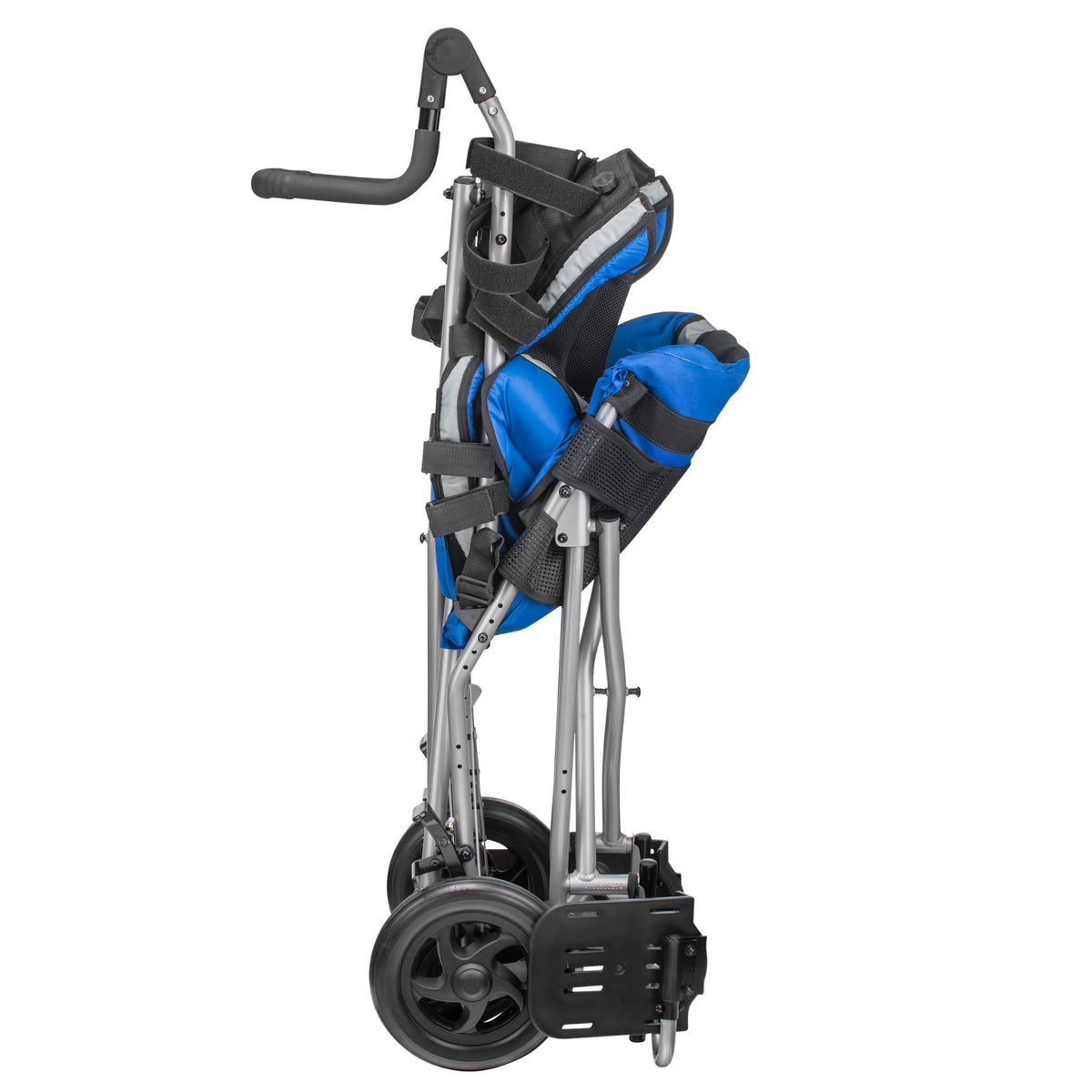
The Strive is also made to grow. It comes in four seat widths (12, 14, 16, and 18 in) rated from 75 to 250 lb, and the seat depth extends about 4 inches in every size. Twin push handles with a curb-assist lever, 10 in rear wheels, and 8 in front wheels make it a sturdy transport stroller for school, appointments, errands, and travel. It still folds flat with one hand.
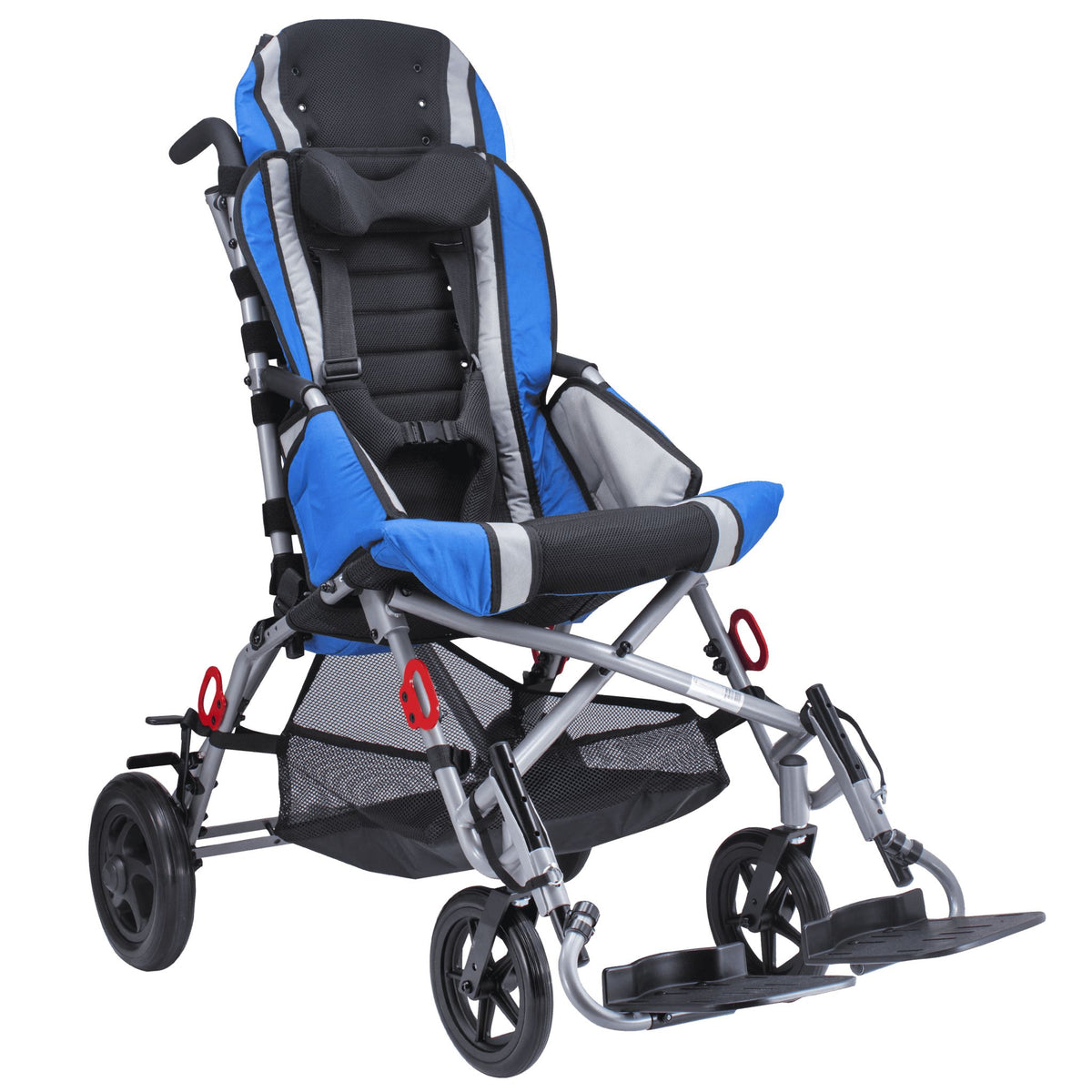
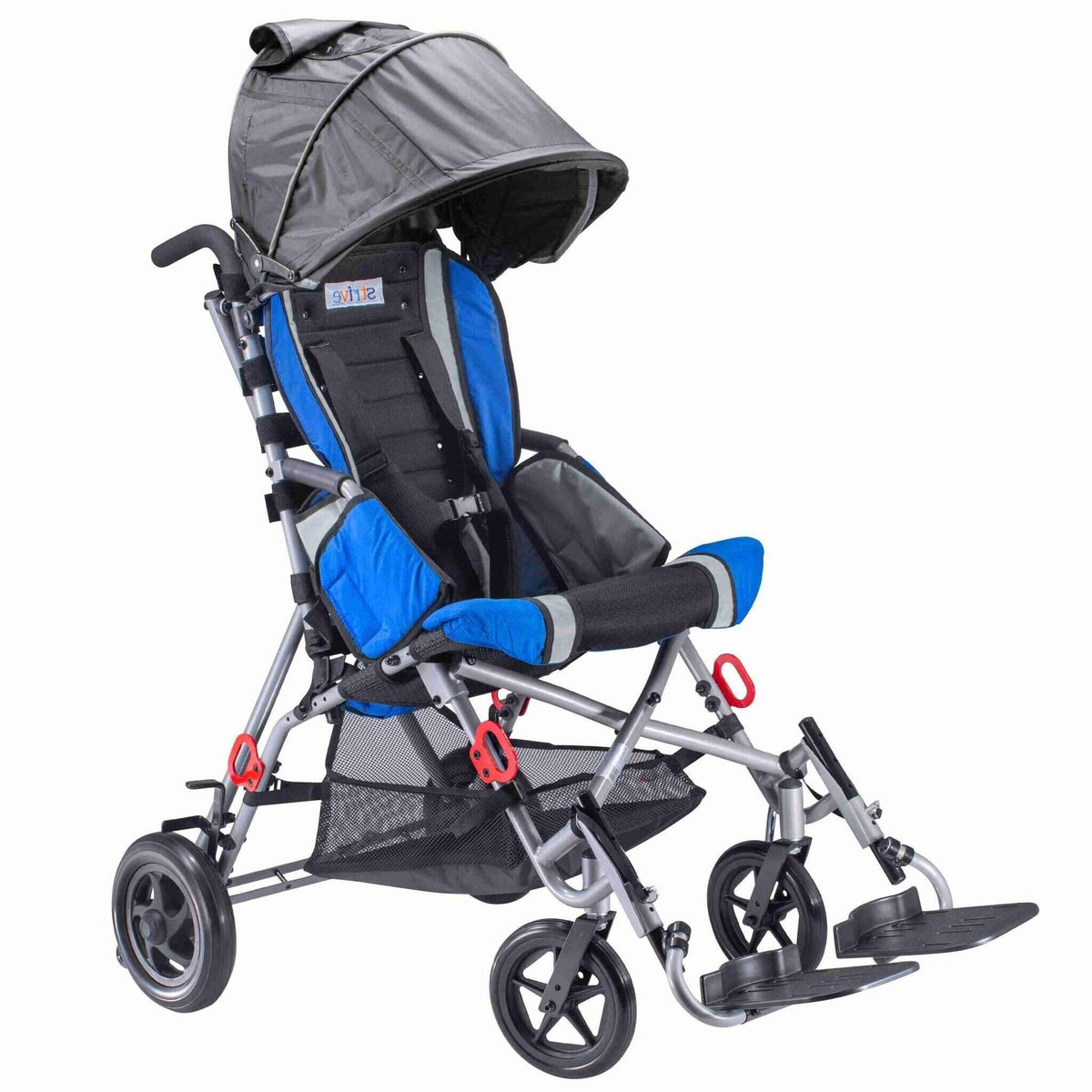
You can add exactly what your child needs with optional accessories, including a canopy, under-seat basket, headrest extension, padded winged headrest, upper extremity support tray, anti-tippers, seat depth extension kit, buckle guard, and ST8802 bus transit tie-down brackets. Explore the Circle Specialty Strive Adaptive Stroller and the Circle Specialty Strive EZ Adaptive Stroller.
Strive or Strive EZ?
The Strive EZ is the updated version, with the same sizes, seating, and weight capacities as the original Strive. What's new is a full one-piece push handle that adjusts for height and angle, so parents, grandparents, aides, and therapists can each find a comfortable grip. It also includes angle-adjustable footplates as standard, soft rubber tires for a quieter, smoother ride, and a reinforced cross brace. Every Strive accessory fits both models.
Special Needs Strollers for Teens and Adults
Many families search for a special needs stroller for adults or teens and find very few choices. The Strive and Strive EZ in the 16 in and 18 in sizes are rated for 170 lb and 250 lb, with a 165 lb transit capacity and seat depths that extend up to 15 and 16 in. That's why families of teens and adults who need supported seating for outings often choose them. The Strive EZ adds the easy-push handle, which helps when the person riding is fully grown.
How to Measure Before You Order
Fit is the most common reason for a return, so a few minutes with a tape measure is well worth it. Measure your child while they're seated:
- Hip width: compare to seat width, allowing about an inch for clothing and growth.
- Thigh length (back of the hips to behind the knee): compare to seat depth so the knees bend at the front edge of the seat.
- Seat-to-shoulder height: compare to the seat back height and harness strap range.
- Lower-leg length (knee to sole): compare to the footrest positions.
- Weight: stay comfortably under the rated capacity. Bags on the handles count against stability, too.
Then check the car. Measure the trunk opening against the stroller's folded size. If you'll be lifting it often, the stroller's own weight matters as much as your child's.
How to Choose an Adaptive Stroller
The best medical stroller is the one that fits your child's body and your family's days. These questions can help:
- Does your child sit upright with a harness alone? A lightweight umbrella-fold stroller like the Coche XL or Maclaren Major Elite may be all you need. If they need trunk or head support, look at the Strive or Strive EZ.
- Will it go in and out of the car every day? At 15.2 lb, the umbrella-fold strollers are the easiest to lift. The Strive family weighs 33 to 36 lb but folds flat with one hand.
- Will it ride a school bus or van? The Strive and Strive EZ can be secured with the optional ST8802 transit brackets.
- Is your child near 110 lb or past it? If they're close, a Strive size with room to grow can save you from buying again soon.
Families looking for an adaptive stroller for autism often start with the umbrella-fold models and move to the Strive when more support is needed. Browse all of our Adaptive Strollers & Transport Chairs, and find add-ons in Pediatric Accessories. For the bigger picture on equipment for kids, see our Independent Kids Buying Guide. A child who needs to self-propel, or who spends most of the day seated and needs recline or full positioning, is usually better served by one of our Pediatric Wheelchairs & Mobility options.
Safety Notes
- Unless the manufacturer specifically states otherwise, adaptive strollers are not crash tested for use as a vehicle seat. Transfer your child to an approved car seat or bus restraint for travel.
- Always use the harness, and engage the brakes whenever the stroller is stopped.
- Never hang heavy bags on the handles.
- Never fold a stroller with a child in it.
- If your child has significant postural needs, involve their physical or occupational therapist. A fixed-seat stroller is not a substitute for a positioning system.
Why Buy From Independent Living Superstore
- Veteran-owned, family-run, and a certified Service-Disabled Veteran-Owned Small Business (SDVOSB)
- BBB Accredited
- HSA/FSA eligible
- No sales tax outside New York
- GovX military discount
- Itemized receipts available for Medicaid waiver or plan submissions
Important Information
This guide is for general informational purposes only and is not medical advice. Equipment choices for a child should involve their care or therapy team. Independent Living Superstore does not bill Medicare, Medicaid, or private insurance, but many families are reimbursed through state Medicaid waiver programs. We're happy to provide an itemized receipt for your waiver or plan submission.
Need Help Choosing?
We'd love to help you find the right fit for your child. Email us at support@independentlivingsuperstore.com or call (844) 795-2930.


Share:
Rotating Bed Buying Guide – How to Choose the Right Rotating Bed for Home